10 Best I Steel Bar Manufacturers for Global Buyers
Choosing the right i steel bar manufacturer can shape a project’s safety, cost, and delivery schedule. Global buyers need more than attractive quotations. They need stable quality, clear documentation, and practical export experience.
This guide introduces 10 best i steel bar manufacturers for global buyers. The selection focuses on production capacity, structural steel grades, dimensional accuracy, and quality-control systems. It also considers certifications, laboratory testing, packaging, and shipment performance. Reliable manufacturers should provide mill test certificates, heat numbers, inspection records, and traceable production details. These documents help buyers verify chemical composition, tensile strength, yield strength, and elongation before installation.
Details matter.
A professional supplier should answer technical questions without vague promises. Buyers should check whether the manufacturer supports ASTM, EN, JIS, or other required standards. Port access also matters, especially when long steel sections require careful loading and weather-resistant protection. In practice, some suppliers appear impressive online but respond slowly when drawings, tolerances, or inspection plans are discussed. That weakness deserves attention. Company rankings can guide research, but they cannot replace factory audits, sample testing, or direct contract review.
The manufacturers covered here represent different strengths, including large-scale production, customized sections, competitive pricing, and regional distribution. However, no supplier is perfect for every project. A low price may hide longer lead times, while excellent capacity may reduce flexibility for smaller orders. Buyers should compare technical evidence, communication quality, and after-sales support before making a decision. This balanced approach can reduce risk and support a dependable long-term supply relationship.
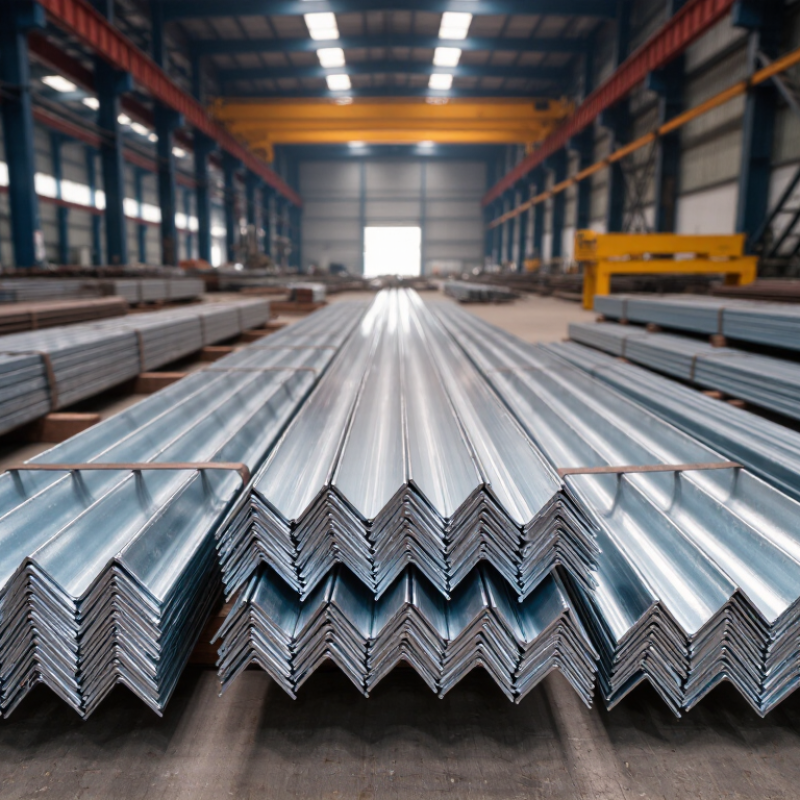
Understanding I Steel Bars and Their Global Applications
I steel bars, commonly called I-beams or I-sections, carry heavy loads through a flanged steel profile. Their shape places more material away from the center, improving bending resistance without unnecessary weight. Engineers use them in warehouses, bridges, industrial platforms, and multi-story buildings. A 300-millimeter section may support a roof frame, while smaller sections suit mezzanines and equipment bases.
Global buyers should check section dimensions, steel grade, mass tolerance, and testing documents before placing an order. Common requirements include yield strength, impact performance, weldability, and surface condition. Regional standards can differ, so a familiar grade may not match another country’s specification exactly. Ask for mill certificates, independent inspection options, and clear heat-number traceability. Details matter.
Transport planning also affects the real value of I steel bars. Long sections need suitable trailers, lifting points, and corrosion protection during sea shipment. Moisture trapped beneath poor wrapping can leave orange stains before installation. That is avoidable, but not always avoided. Buyers should compare usable length, cutting tolerances, packing methods, and delivery terms rather than price alone. On active projects, a delayed bundle can stop cranes, crews, and concrete work. A careful supplier communicates early when production changes, yet even experienced teams can miss a small tolerance issue. Field verification remains wise.
| No. | I-Section Category | Typical Section Example | Reference Standard | Common Steel Grades | Primary Global Applications | Key Buyer Consideration | Typical Supply Form |
|---|---|---|---|---|---|---|---|
| 1 | European IPE Beam | IPE 100 100 mm nominal depth Approx. mass: 8.1 kg/m |
EN 10365 EN 10025-2 |
S275JR S355JR S355J2 |
Light structural framing, mezzanines, roof supports, platforms and general fabrication. | Check section dimensions, straightness and mill tolerance before fabrication. | Hot-rolled, cut lengths |
| 2 | Medium European IPE Beam | IPE 200 200 mm nominal depth Approx. mass: 22.4 kg/m |
EN 10365 EN 10025-2 |
S275JR S355JR S355J2 |
Industrial buildings, floor beams, warehouse structures and support frames. | Confirm design loads, buckling length and corrosion-protection requirements. | Hot-rolled, bare or coated |
| 3 | Heavy European IPE Beam | IPE 300 300 mm nominal depth Approx. mass: 42.2 kg/m |
EN 10365 EN 10025-2 |
S355JR S355J2 S460M |
Heavy industrial frames, long-span floors, transfer beams and equipment-support structures. | Request impact-test documentation when low-temperature service is expected. | Hot-rolled, project-specific lengths |
| 4 | Wide-Flange HEA Beam | HEA 200 190 mm nominal depth Approx. mass: 42.3 kg/m |
EN 10365 EN 10025-2 |
S275JR S355JR S355J2 |
Building columns, portal frames, industrial halls and applications requiring wider flanges. | Wide flanges improve connection options and column stability but increase shipment weight. | Hot-rolled, cut-to-length |
| 5 | Heavy Wide-Flange HEB Beam | HEB 200 200 mm nominal depth Approx. mass: 61.3 kg/m |
EN 10365 EN 10025-2 |
S355JR S355J2 S460M |
High-load columns, bridge substructures, heavy machinery supports and major industrial projects. | Verify flange thickness, weldability and lifting capacity during project planning. | Hot-rolled, bare or painted |
| 6 | British Universal Beam | UB 305 × 165 × 40 Approx. mass: 40.3 kg/m |
BS 4-1 EN 10025-2 |
S275JR S355JR S355J2 |
Commercial buildings, bridges, industrial platforms and structures designed with UK-section libraries. | Use the exact UB designation because depth, flange width and mass vary by section. | Hot-rolled, standard mill lengths |
| 7 | British Universal Column | UC 203 × 203 × 46 Approx. mass: 46.1 kg/m |
BS 4-1 EN 10025-2 |
S275JR S355JR S355J2 |
Building columns, multi-storey frames and heavily loaded vertical supports. | Column design should include axial load, slenderness, connection design and fire rating. | Hot-rolled, cut lengths |
| 8 | North American W-Shape | W8 × 18 Nominal depth: 8 in Approx. mass: 18 lb/ft |
ASTM A6/A6M ASTM A992 |
ASTM A992 ASTM A572 Grade 50 |
North American structural buildings, platforms, industrial frames and bridge components. | Confirm imperial section designation, yield strength and Charpy requirements where specified. | Hot-rolled, mill or cut lengths |
| 9 | Japanese Standard H-Beam | H-200 × 200 × 8 × 12 Nominal depth: 200 mm |
JIS G 3192 JIS G 3101 |
SS400 SM490 SN490 |
Earthquake-resistant building frames, infrastructure, industrial plants and general construction. | Match flange and web dimensions with local structural design tables and connection details. | Hot-rolled, bare or coated |
| 10 | Marine and Offshore I-Section | Project-specific I or T profile Dimensions vary by design |
EN 10025-2 EN 10225 Class rules where applicable |
S355G10+N S355G15+N Equivalent certified grades |
Offshore platforms, marine structures, shipbuilding, coastal infrastructure and port facilities. | Require certified impact toughness, through-thickness properties and traceable inspection records. | Hot-rolled, shot-blasted or primed |
Related Posts
-
10 Essential Tips for Choosing the Right Stainless Steel Wire Rod
-
How to Choose the Best Cold Rolled Steel for Your Projects?
-
Exploring the Versatile Applications of Steel Wire Rod in Modern Construction and Manufacturing
-
Understanding Cold Drawn Steel Bar: Characteristics, Applications, and Benefits
-

Top 5 Tips for Sourcing I Steel Bar Effectively?
-
2026 How to Buy High Quality Stainless Steel Wire for Your Needs?