Sourcing i steel bar effectively is crucial for construction projects. The quality of steel bar can impact the safety and durability of structures. Hence, making informed decisions in the sourcing process is vital.
Many factors must be considered. Start with a trusted supplier who has a reputation for providing high-quality i steel bar. Research their background and check customer reviews for reliability. It's essential to ensure that the materials meet industry standards to avoid future complications.
Cost is another consideration. While some may prioritize a lower price, it's important not to compromise quality. A balance between cost and quality can lead to the best long-term results. Additionally, establishing clear communication with suppliers can prevent misunderstandings. Lack of clarity can lead to critical missteps in your sourcing strategy. Remember, sourcing i steel bar is more than just a transaction; it’s about building lasting relationships that contribute to the success of your projects.

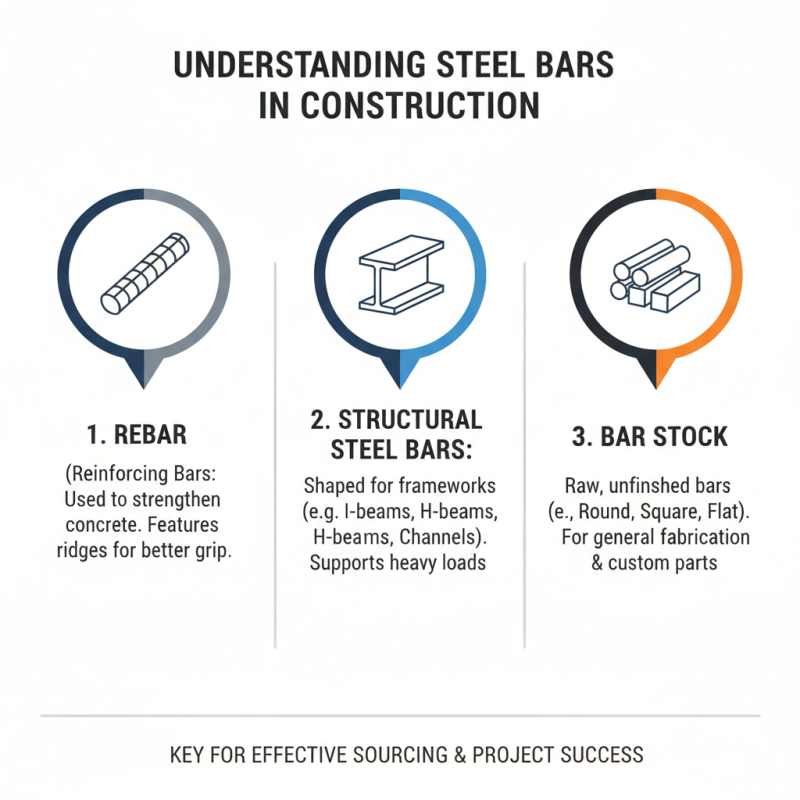
Steel bars are crucial in construction. They come in various types, each serving specific needs. Understanding these types is key to effective sourcing. Common categories include rebar, structural steel bars, and bar stock.
Rebar, often used for reinforcement, is vital in concrete structures. According to the World Steel Association, rebar accounts for approximately 30% of steel production. Structural steel bars support frameworks in buildings and bridges. These bars undergo rigorous testing to ensure they meet strength and durability standards.
Bar stock is another type used for machining and fabrication. It features precise dimensions for specialized applications. Choosing the right type of steel bar can be complex. Different grades impact strength, flexibility, and corrosion resistance. It's important to evaluate your project's demands carefully. Many sourcing guides suggest assessing long-term costs versus upfront expenses. Opting for high-quality materials often pays off in durability, reducing future maintenance needs. Therefore, understanding these factors is vital for a successful sourcing strategy.
When sourcing steel bars, evaluating suppliers is crucial for ensuring quality and reliability. Start by assessing their production capabilities. Ask for details about their manufacturing processes. Look for suppliers with modern equipment and strict quality control measures. It's essential to know if they conduct regular inspections. This helps in filtering out potential issues early.
Next, consider the supplier's reputation. Check online reviews and testimonials. Talk to industry peers about their experiences. Reliable suppliers often have consistent feedback. You might notice some buyers mention occasional delays. Reflect on your needs and how such delays might impact your projects. It's a balancing act between reliability and responsiveness.
Lastly, quality certifications are key metrics. Verify if suppliers have industry-standard certifications. This shows commitment to quality and safety. However, certifications alone are not enough. Engage with the supplier to understand their quality management systems. An open dialogue can reveal a lot about their reliability. Trust your instincts, even when the numbers look good. Sometimes, the best insights come from direct communication.
The steel bar industry remains volatile, with pricing influenced by various global factors. Recent reports show a notable fluctuation in prices, with some regions experiencing increases of over 15% in just a few months. This rise can be attributed to supply chain disruptions and increased demand from construction sectors.
Market analysts highlight the importance of understanding local demand. For instance, regions undergoing rapid urban development often see higher prices. The World Steel Association noted that, in early 2023, a surge in infrastructure projects led to prices reaching an all-time high, deviating from the 2022 averages.
However, not all trends are rising. Some experts predict a price correction due to increased production in key regions. A report from the International Steel Statistics Bureau indicated a potential oversupply, which could lower prices in the latter half of the year. Sourcing steel bars effectively involves being aware of these shifts and adjusting procurement strategies accordingly.
When sourcing steel bars, assessing transportation and delivery options is crucial. Efficient logistics can significantly reduce costs. According to industry reports, around 30% of steel supply chain expenses stem from transportation. Therefore, understanding local and international freight options is vital.
One must evaluate various transportation modes. Trucking is common for short distances, but rail is often more cost-effective for longer hauls. A recent analysis indicates rail can cut transport costs by up to 20% over long distances. However, delays can occur, emphasizing the need for contingency planning.
Delivery timeframes vary greatly. Factors such as route congestion and seasonal weather can impact schedules. The recent data suggests that understanding regional transportation challenges can improve supplier relationships. Engaging with logistics experts can help mitigate potential issues. Ultimately, thoughtful planning can lead to a more reliable supply chain.
| Tip Number | Tip Description | Transportation Method | Delivery Time (Days) | Cost Estimate ($) |
|---|---|---|---|---|
| 1 | Evaluate Supplier Proximity | Truck | 3 | 1500 |
| 2 | Optimize Order Quantities | Rail | 5 | 1200 |
| 3 | Assess Inventory Levels | Ship | 8 | 2000 |
| 4 | Consider Volume Discounts | Combined | 7 | 1800 |
| 5 | Negotiate Delivery Terms | Direct Delivery | 2 | 1600 |
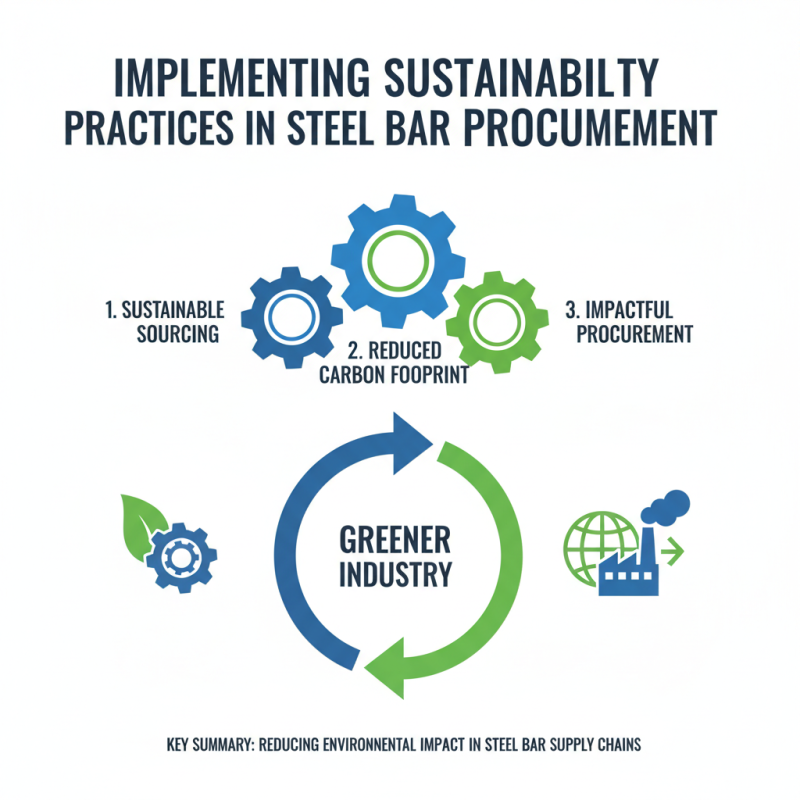
Sourcing steel bars sustainably is becoming increasingly important. Many industries are focusing on reducing their carbon footprint. Implementing sustainability practices can significantly impact procurement processes.
Using recycled materials is a key strategy. Products made from scrap steel often have lower environmental costs. It's essential to assess suppliers based on their sustainability practices. This encourages companies to prioritize eco-friendly methods. However, finding suppliers that deliver both quality and sustainability can be challenging. Some suppliers may claim to be sustainable, but their practices may not fully align with this image.
Transparency is crucial in steel bar procurement. Understanding the entire supply chain enhances decision-making. Traceability helps organizations verify the origin of materials. Yet, this may require extra time and resources. Many companies struggle with balancing cost and sustainability. It’s vital to continually review practices and adapt. This ongoing reflection is necessary to strive for improvement in sourcing methods.