2026 How to Buy High Quality Stainless Steel Wire for Your Needs?
In the ever-evolving manufacturing landscape, selecting the right stainless steel wire is crucial. The stainless steel wire market is projected to grow at a CAGR of 6.2% from 2021 to 2026, according to industry reports. This growth reflects increasing demand across various sectors, including automotive, aerospace, and construction. High-quality stainless steel wire offers superior strength, enhanced corrosion resistance, and durability, making it essential for many applications.
When choosing stainless steel wire, quality is paramount. The wire must meet specific standards and certifications. ISO 9001 and ASTM A313 are examples that ensure reliability and performance. Buyers should also consider wire diameter, tensile strength, and finish. Not every supplier adheres to these standards, leading to variability in product quality. This can impact projects significantly.
It's worth noting that not all grades of stainless steel wire are created equal. Different applications require different grades, which adds another layer of complexity to the purchasing process. Understanding these distinctions is key to making an informed decision. Emphasizing quality over cost can prevent costly mistakes down the line. A careful evaluation of suppliers and their offerings will yield optimal results.
Factors to Consider When Choosing Stainless Steel Wire Quality
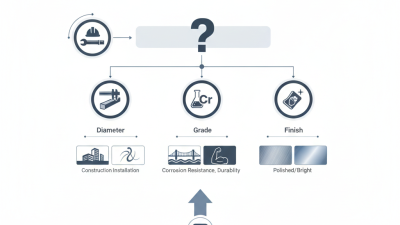
When selecting high-quality stainless steel wire, several factors come into play. First, consider the wire's composition. Different grades of stainless steel offer various levels of corrosion resistance and strength. For example, a higher nickel content often translates to better corrosion resistance.
Next, evaluate the manufacturing process. Look for wires that undergo cold drawing. This method enhances tensile strength and maintains a smooth surface finish. Surface finish is crucial too; a polished wire has fewer imperfections. These details significantly impact the wire's performance in various applications.
Lastly, don't overlook the diameter and tensile strength. Thinner wires may be more flexible but can easily break under stress. A thicker wire offers more durability. Test samples whenever possible to ensure they meet your specific requirements. Remember, even reputable suppliers may have inconsistencies. Quality checks are essential for reliability in your projects.
Understanding Different Stainless Steel Grades and Their Applications
When considering stainless steel wire, understanding the various grades is essential. Each grade has unique properties that cater to different applications. For instance, grade 304 is widely used in food processing due to its corrosion resistance. In contrast, grade 316 offers enhanced resistance to chlorides, making it suitable for marine environments.
Tip: Identify your application's specific requirements before purchasing. Do you need corrosion resistance, strength, or flexibility? Evaluating these factors will guide you to the right choice.
Moreover, the wire diameter matters significantly. The wire can range from a few micrometers to several millimeters. Thinner wires provide superior flexibility, while thicker wires offer strength and durability. A report by the International Stainless Steel Forum highlights that the global demand for stainless steel wire is rising, especially in automotive and construction industries.
Tip: Always review industrial standards associated with the specific grade of wire. This ensures compliance and optimal performance for your needs. Choosing the right wire isn’t just about cost; it’s crucial for the longevity and success of your projects.
Evaluating Wire Diameter and Tensile Strength for Specific Use Cases
When choosing stainless steel wire, evaluating wire diameter and tensile strength is crucial. The diameter affects flexibility and strength. A thicker wire is usually more robust but less flexible. If you're creating structures that require bending, a thinner wire may work better. Think about the balance between durability and ease of manipulation.
Tensile strength indicates how much force the wire can withstand before breaking. This property is vital for applications like construction or industrial uses. For instance, if a wire needs to support heavy loads, select one with a higher tensile strength. However, be cautious of overstretching the limits of any wire. Using wire that exceeds its tensile capacity can lead to unexpected failures.
Consider consulting technical data sheets for specific use cases. These sheets provide essential details about different wire types. They can help you understand how a wire will perform in real-world applications. Remember, every project has unique requirements. Adjustments may be necessary as you test your selected wire. Don't rush through this decision; small oversights can lead to significant issues later.
2026 High Quality Stainless Steel Wire Characteristics
This chart represents key characteristics of high-quality stainless steel wire, showing both diameter and tensile strength for specific applications, aiding in the evaluation process for potential buyers.
The Role of Corrosion Resistance in Selecting Stainless Steel Wire
When selecting high-quality stainless steel wire, corrosion resistance is crucial. Stainless steel contains chromium, which forms a protective layer against oxidation. According to a study by the International Stainless Steel Forum, corrosion-resistant alloys, like 304 and 316 grades, can withstand harsh environments. This is essential for applications in marine or chemical settings.
Wire used in such environments should be designed to endure corrosion. For instance, 316 stainless steel offers better resistance than 304 due to its higher nickel content and the addition of molybdenum. The choice of grade affects longevity and performance significantly. Poor selection could lead to unexpected failures and costly replacements.
Tips: Pay attention to the wire's exposure conditions. If it's in a particularly aggressive environment, consider investing in higher-grade materials. Also, review the manufacturer's specifications. Look for certifications that verify corrosion resistance. This not only enhances reliability but also ensures safety in critical applications. Remember, choosing the wrong wire based on its corrosion resistance can lead to substantial issues over time. It’s vital to reflect on your specific needs and environments before making a decision.
Tips for Sourcing and Comparing Suppliers for Stainless Steel Wire
When sourcing high-quality stainless steel wire, proper supplier selection is crucial. According to industry reports, nearly 40% of buyers face challenges with non-compliant materials. It’s essential to define your requirements early. Different grades of stainless steel offer varying corrosion resistance and tensile strength, impacting your final choice.
Consider reaching out to multiple suppliers to compare options. Request detailed product specifications and certifications. Some trustworthy suppliers may provide samples for evaluation. Pay attention to their customer service as well. A responsive supplier often indicates reliability.
Tip: Assess suppliers based on their production processes. Factories with modern equipment might offer superior quality. Also, check their compliance with international standards. This can signal their commitment to quality and safety. Before finalizing any supplier, conduct a thorough review of their track record. It helps to avoid future uncertainties and ensures a better purchasing experience.
2026 How to Buy High Quality Stainless Steel Wire for Your Needs? - Tips for Sourcing and Comparing Suppliers for Stainless Steel Wire
| Supplier Location |
Material Grade |
Wire Diameter (mm) |
Tensile Strength (MPa) |
Price per Meter ($) |
Lead Time (Days) |
| USA |
304 |
2.0 |
520 |
0.15 |
14 |
| Germany |
316L |
1.5 |
580 |
0.18 |
21 |
| China |
430 |
3.0 |
450 |
0.12 |
18 |
| India |
304 |
2.5 |
500 |
0.14 |
16 |
| Japan |
316 |
1.8 |
530 |
0.17 |
20 |