How to Choose the Best Cold Rolled Steel for Your Projects?
Choosing the right cold rolled steel for your projects can be challenging. This material offers various benefits, including enhanced strength and improved surface finish. However, not all cold rolled steel is created equal. Each type comes with its unique properties that cater to different applications.
Understanding these differences is crucial for making an informed choice. Sometimes, even experienced professionals overlook the specific requirements of their projects. Cold rolled steel can vary in thickness, width, and yield strength. Therefore, knowing the exact demands of your project is vital. It ultimately ensures durability and performance.
The learning curve can be steep. It's easy to regret a decision made in haste. Familiarizing yourself with suppliers and their offerings is essential. Collecting samples for testing may seem tedious but can lead to better results. In the end, the time spent researching cold rolled steel will pay off. This approach increases confidence in your selection and enhances the overall quality of your work.
Understanding Cold Rolled Steel and Its Properties
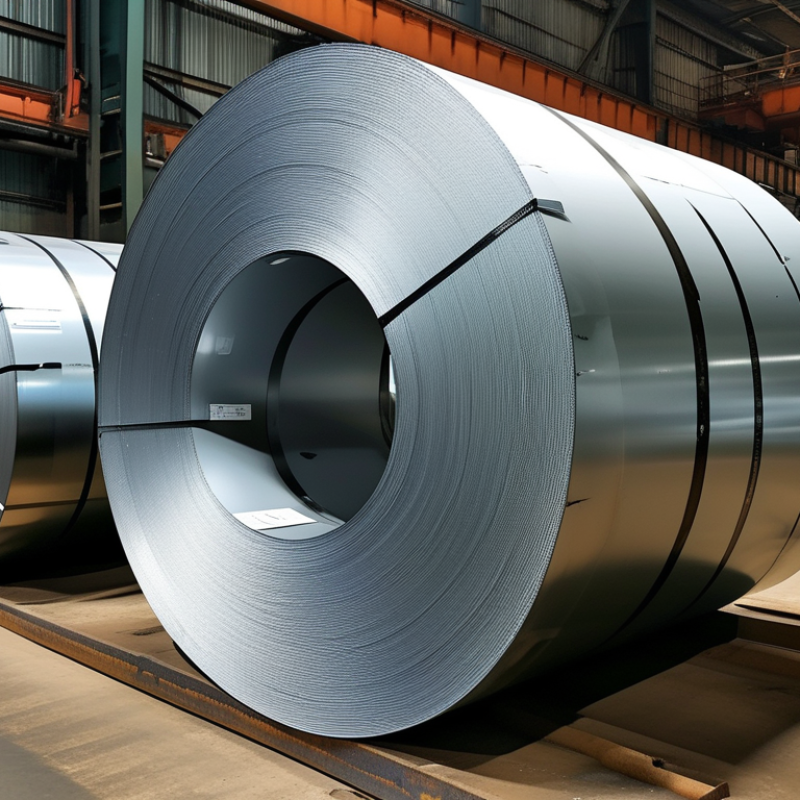
Cold rolled steel is an essential material in various construction and manufacturing projects. Its properties are crucial to understand for effective utilization. Cold rolled steel undergoes a process that enhances strength and surface finish. This process also results in tighter tolerances and better dimensional accuracy. These characteristics make it suitable for applications ranging from automotive parts to furniture.
When selecting cold rolled steel, consider its yield strength and hardness. The material’s thickness and width can influence its application. Always assess your project's specific needs. For instance, a project requiring flexibility might benefit from a specific grade of steel, while a project needing durability may demand higher hardness.
It’s easy to overlook the importance of steel grades. Each grade comes with unique properties that affect performance. Make sure to review the specifications carefully. Even small variations in composition can lead to significant differences in end products. Reflecting on these choices can improve your project outcomes.
Key Factors to Consider When Choosing Cold Rolled Steel
When choosing cold rolled steel, several key factors warrant careful consideration. Assess the thickness of the steel. Thicker materials typically offer greater strength and durability. However, they may also be more difficult to manipulate in projects. It's essential to find a balance that suits your specific needs.
Next, pay attention to the coating options available. For instance, some cold rolled steel comes with protective coatings to minimize rust and corrosion. This can be crucial for projects exposed to harsh environments. Additionally, consider the finish. A smoother finish often enhances the aesthetic appeal but might require more care during handling.
Lastly, reflect on the steel's mechanical properties. Each type has strengths and weaknesses. Ensure you're familiar with yield strength and ductility. If your project requires bending, a more ductile steel might be necessary. One should question the long-term performance and adaptability of the chosen material. Making informed choices leads to better project outcomes.
Cold Rolled Steel Weight and Thickness Comparison
Assessing the Applications and Uses of Cold Rolled Steel
Cold rolled steel is versatile and widely used in various applications. It is generally preferred for manufacturing products that require tight tolerances and smooth finishes. Common applications include automotive parts, appliances, and furniture. According to a report from the Steel Market Development Institute, the automotive industry consumes about 26% of cold rolled steel produced in North America.
When selecting cold rolled steel, consider the thickness and mechanical properties needed for your project. Different specifications will impact the material's performance under stress and temperature variations. For instance, a tensile strength of at least 400 MPa is advisable for structural applications. Testing different gauges can also lead to better results.
New trends in cold rolled steel production emphasize energy efficiency and lower emissions. As per the World Steel Association, advanced manufacturing methods have reduced energy use in steel production by up to 30%. Staying informed about these developments ensures you make the best choice.
Keep in mind that not all cold rolled steel is created equal. It can be sensitive to surface damage and requires careful handling. Regular maintenance of storage facilities can prevent corrosion and deterioration. Identifying the best steel for your project may require trial and reflection, so don’t rush your decision.
Evaluating Cost and Availability of Cold Rolled Steel Options
When evaluating the cost and availability of cold rolled steel, there are several crucial factors to consider. Pricing can vary significantly based on the supplier and market conditions. Compare quotes from different sources. This helps ensure you receive the best possible deal. Keep an eye on fluctuations in steel prices. They may be influenced by global demand and supply chains.
Availability is another key aspect. Research local suppliers for their inventory. Some may have a wider range than others, making your choice easier. However, it is essential to understand lead times for delivery. Delays can impact project timelines significantly. Reflect on whether your project allows for such delays. Additionally, consider alternative sources. Sometimes, less conventional suppliers may offer competitive prices without sacrificing quality.
When making your decision, think about long-term implications. Will a lower cost today result in higher expenses later? The reliance on cheaper materials can sometimes lead to unforeseen problems. Prioritize reliability over initial cost savings when possible. This strategic thinking can save time, money, and effort in the long run.
How to Choose the Best Cold Rolled Steel for Your Projects? - Evaluating Cost and Availability of Cold Rolled Steel Options
| Material Grade |
Thickness (mm) |
Price per Ton ($) |
Availability (Lead Time) |
Applications |
| SPCC |
0.6 |
700 |
2 weeks |
Automotive parts, Appliances |
| SNR |
1.0 |
750 |
1 week |
Furniture, Construction |
| CR1 |
1.5 |
800 |
3 weeks |
Metal enclosures, Industrial products |
| CQ |
2.0 |
720 |
2 weeks |
Electrical components, Packaging |
Tips for Sourcing Quality Cold Rolled Steel Suppliers
When sourcing cold rolled steel, it's crucial to partner with suppliers who prioritize quality. The quality of cold rolled steel can impact project success significantly. A reliable supplier will provide materials that meet industry standards, ensuring product durability and performance. According to data from the American Institute of Steel Construction, high-quality cold rolled steel can improve strength by up to 30% compared to lower-grade alternatives.
Finding the right supplier involves careful assessment. Look for suppliers who are transparent about their manufacturing processes. Certifications like ISO 9001 can indicate a commitment to quality. Additionally, seek out suppliers who provide test reports and material certifications. In 2022, over 65% of construction projects reported issues related to material quality. Partnering with qualified suppliers can mitigate these risks.
Consider the supplier's reputation in the industry. Gather feedback from other companies that have utilized their services. This information can offer valuable insights into their reliability and product offerings. Engaging with local industry networks or attending trade shows can also help identify reputable sources. Ultimately, sourcing quality cold rolled steel requires diligence and thorough research to ensure project success.