Why do we need steel? The answer begins with ordinary objects: bridge cables, hospital beds, railway tracks, and kitchen pans. Steel quietly supports the places where people work, travel, heal, and live.
Lakshmi Mittal, chairman of ArcelorMittal and a leading figure in the global steel industry, has said, “Steel is the backbone of our civilization.” His observation explains steel’s unusual importance. It combines strength, formability, durability, and recyclability in one widely available material. A steel beam can carry heavy loads for decades. A thin automotive panel can protect passengers during a collision. Wind turbines, power networks, and public transport also depend on carefully engineered steel components.
Steel is not perfect. Its production requires significant energy and creates substantial carbon emissions. That weakness cannot be ignored. Cleaner furnaces, increased scrap recycling, hydrogen-based production, and renewable electricity may reduce the industry’s environmental impact. However, these solutions remain expensive and unevenly developed across markets. This is where the question “need steel” becomes more complex than a simple yes or no.
From practical experience across construction and manufacturing, engineers continue choosing steel because it offers measurable performance under demanding conditions. They examine tensile strength, corrosion resistance, fatigue life, safety margins, and total cost. A material that looks inexpensive may require frequent replacement. Steel often provides longer service when properly designed, protected, inspected, and maintained.
We need steel.
Still, responsible use matters. The future should not merely produce more steel. It should produce smarter steel, waste less of it, and improve every stage from raw material to final structure.
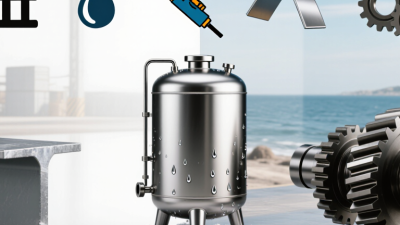
Steel is an iron-based material strengthened with a carefully controlled amount of carbon. Small changes in carbon and other elements can alter its hardness, flexibility, and resistance to corrosion. That balance matters. A bridge beam must carry heavy loads, while a thin sheet needs to bend without cracking. Steel is not one fixed recipe; it is a family of materials designed for different jobs.
Making steel begins with iron-bearing materials and, often, recycled scrap. In a blast furnace, iron ore is heated with coke and limestone to produce molten iron. That iron contains too much carbon for most uses, so it is refined with oxygen in a basic oxygen furnace. Another common route melts scrap, sometimes with additional iron, in an electric arc furnace. The liquid metal is tested and adjusted. Chemistry is precise, but the process is not as tidy as a diagram suggests.
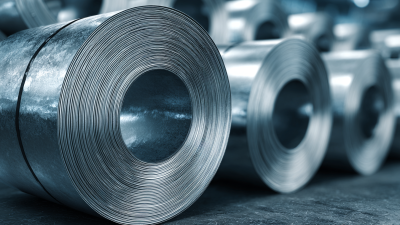
The molten steel is poured into solid shapes, then reheated and rolled into plates, bars, or coils. Picture a glowing slab passing between heavy rollers; each pass reduces its thickness and changes its shape. Cooling and later heat treatments can further affect its properties. Scrap can return to the furnace, reducing the need for newly mined materials, though recycling still uses energy. Steel’s usefulness depends on both its composition and how it is processed—and that distinction is easy to overlook.
Steel earns its place through a useful combination of stiffness, strength, and ductility. The AISC Steel Construction Manual uses a density of about 7,850 kilograms per cubic metre and an elastic modulus near 200 gigapascals for structural steel. That stiffness helps beams resist bending, while strength allows members to carry heavy loads without excessive bulk. The figures describe common design assumptions, not every steel grade.
Strength can be measured against ASTM A36/A36M, which sets a minimum yield strength of 250 megapascals for many common structural products. Yield strength indicates when permanent deformation begins; it is not the same as stiffness. A steel frame can flex before reaching that threshold. That matters. In a workshop, a steel ruler may bend under pressure, then spring back if it has not been overloaded.
Steel is also ductile: it can deform before fracturing, giving structures a chance to show damage under severe stress. But performance depends on grade, shape, connections, and temperature. Steel loses strength in intense heat and can corrode when coatings or maintenance fail. Not indestructible. Designers must account for these limits, and a material specification alone cannot guarantee safe performance.
| Physical property | Typical value or behavior | Why it makes steel useful |
|---|---|---|
| Density | About 7,850 kg/m³ (7.85 g/cm³) for many steels | Provides substantial mass and stability in structures, vehicles, and machinery. |
| Elastic modulus (stiffness) | Approximately 200 GPa at room temperature | Resists elastic bending and stretching, helping beams, frames, and components retain their shape under load. |
| Yield strength | Common structural grades are often around 250–550 MPa; higher-strength grades can exceed this range. | Allows engineers to select steel that can carry heavy loads before permanent deformation begins. |
| Tensile strength | Often about 400–1,000 MPa across widely used construction and engineering steels; some specialized grades are higher. | Helps components withstand pulling forces, though the exact capacity depends on grade and processing. |
| Ductility | Many low-carbon steels show roughly 15–40% elongation in a tensile test, depending on the product and test method. | Enables forming, bending, and drawing; ductile steel can also deform noticeably before fracture. |
| Hardness and heat treatment | Varies widely: some steels are relatively soft and formable, while suitable carbon and alloy steels can be hardened by heat treatment. | The range of hardness lets steel serve in both easily formed sheet products and wear-resistant tools or machine parts. |
| Toughness | Depends on grade, temperature, thickness, and heat treatment; many grades are designed to absorb impact energy without sudden fracture. | Useful for structures and equipment exposed to impact or changing loads. Toughness is assessed using specified test methods and conditions. |
| Melting range | Approximately 1,370–1,530°C for many steel compositions | Steel remains solid at temperatures encountered in many everyday applications and can be melted and cast during manufacturing. |
| Thermal expansion | Carbon and low-alloy steels are typically around 11–13 µm/(m·°C) near room temperature. | Predictable expansion helps engineers allow for temperature changes in rails, bridges, pipelines, and buildings. |
| Thermal conductivity | Many carbon steels are around 45–60 W/(m·K) near room temperature; stainless steels are often less conductive. | Conducts heat through components, while the variation among steel types supports different thermal design needs. |
| Magnetic behavior | Most carbon and ferritic steels are magnetic. Austenitic stainless steels are generally nonmagnetic when annealed, although processing can affect their response. | Magnetic grades suit cores and magnetic handling; nonmagnetic grades are useful where low magnetic response is preferred. |
Values are representative, not universal. Steel properties vary with composition, product form, heat treatment, temperature, and test method.
Why Do We Need Steel?
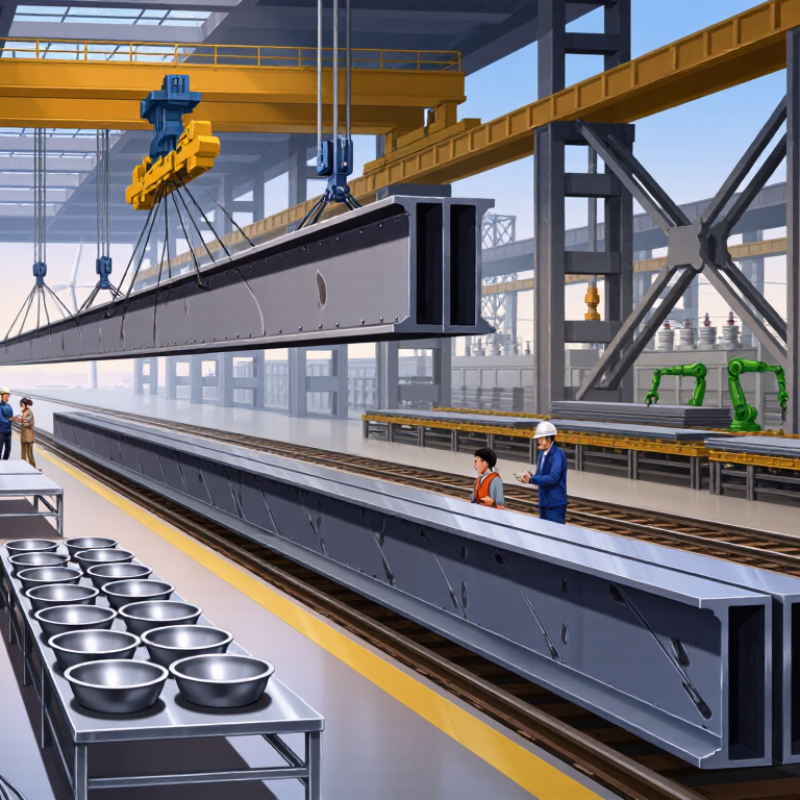
Steel quietly supports much of modern life. In buildings, its strength allows engineers to create tall frames, wide roofs, and flexible interior spaces. A steel beam can carry heavy loads while using less material than many traditional alternatives. In my experience, construction teams also value steel because its dimensions are predictable. That reliability helps workers assemble structures accurately and safely.
Steel also keeps transport moving. Trains, bridges, ships, and vehicles depend on its toughness. Rail tracks resist repeated pressure from passing wheels. Bridge cables and support members manage changing loads, wind, and vibration. In infrastructure, steel appears in water pipelines, power towers, tunnels, and public barriers. Proper coatings can slow corrosion, but maintenance remains necessary. Steel is strong, not invincible. That limitation deserves more attention.
Tips: Choose steel grades according to load, climate, and expected service life. Check joints, welds, and protective coatings during inspections. Reuse salvaged steel when testing confirms its quality. Engineers should also compare recycled content, transport distance, and energy use before selecting materials. These decisions can reduce waste, although they are not always simple. A design may look efficient on paper yet require difficult repairs later. Careful records and honest site observations often reveal those weaknesses.
Construction is the largest end-use sector for steel, supporting buildings, bridges, railways, roads, energy systems, and other infrastructure. Steel is also essential for transport equipment, machinery, and manufactured products because it combines strength, durability, and recyclability.
Steel is easy to overlook, yet it surrounds ordinary routines. It carries the weight of bridges, hospital beds, rail tracks, elevators, and kitchen appliances. On a construction site, workers depend on steel beams that remain stable under changing loads and weather. In transport, its strength supports safer vehicle frames, cargo systems, and railway networks.
The World Steel Association reported global crude steel production of about 1.89 billion tonnes in 2023. That figure reflects demand from housing, energy, manufacturing, and public infrastructure.
Steel also supports modern industry through durability and reuse. A well-designed component can serve for decades, reducing repeated replacement and material waste. Steel can be recovered from buildings and machinery, then processed into new products.
The International Energy Agency estimates that iron and steel production creates roughly 7% of global energy-related carbon dioxide emissions. That impact is serious. It means steel is useful, but never automatically sustainable. Cleaner electricity, efficient furnaces, higher scrap use, and lower-carbon production methods remain necessary.
Daily life reveals another tension. Steel makes water pipelines, food-processing equipment, and medical tools dependable, but mining and processing disturb land and consume energy. The material is strong, though its supply chain is not always simple. Better design can reduce thickness without weakening safety. That requires skilled engineers, verified standards, and honest lifecycle measurements. We still need better data. Some environmental claims look precise, but hide transport, maintenance, or recycling limits.
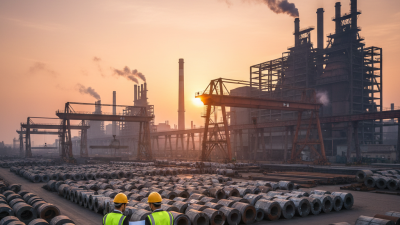
Steel supports bridges, railways, hospitals, and the machines that make everyday goods. Yet its strength comes with a heavy environmental cost. In an integrated mill, iron ore is heated with carbon-rich coke, releasing large amounts of carbon dioxide. Mining also reshapes landscapes, while mills can consume substantial energy and water. The impact is visible in more than smokestacks.
The route forward is real, but uneven. Recycling steel in electric arc furnaces can reduce emissions, especially when powered by cleaner electricity. Scrap already has value: a discarded beam or appliance can become useful material again. However, scrap supplies and quality vary, and many regions still rely on coal-based production. Hydrogen-based ironmaking may help, but it needs clean power, new equipment, and dependable infrastructure. These changes are costly. They will not happen overnight.
Design choices matter, too. Buildings that use steel efficiently need less material from the start. Bolted connections can make beams easier to remove and reuse, though reuse requires careful inspection. A scratched beam is not automatically waste. Still, stronger rules for tracking materials and measuring emissions would make progress easier to verify. We should be cautious about calling any steel “green” without clear evidence. The transition is promising, but it is not tidy; even good solutions bring trade-offs.