Best Stainless Steel Grades for Global Buyers What to Know?
When it comes to sourcing stainless steel grades, global buyers face a complex landscape. The choice of grade can impact the durability, corrosion resistance, and overall performance of products. According to the International Stainless Steel Forum, the global stainless steel market reached a volume of around 50 million tons in 2022, with projections indicating continuous growth. This highlights the importance of understanding the various grades available.
Stainless steel grades are categorized based on their composition and properties. Common grades include 304 and 316, both known for their excellent corrosion resistance. Yet, as demand rises, misinformation about these grades can create confusion. Some suppliers may overstate the benefits of lower-cost alternatives, leading to subpar products that do not meet necessary standards. Buyers must critically assess the reliability of their sources.
Understanding the right stainless steel grades is not just about selection; it involves research and due diligence. Various reports indicate that improper grade choice can lead to substantial cost overruns in projects, particularly in industries like construction and automotive. A nuanced approach is crucial to avoid costly mistakes and ensure the chosen materials align with project specifications and performance expectations.

Understanding Stainless Steel Grades and Their Applications
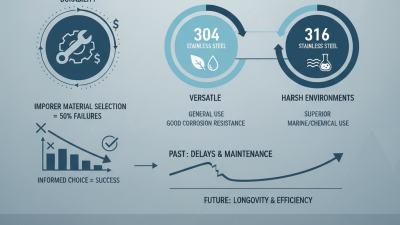
Understanding stainless steel grades is essential for global buyers. Each grade possesses unique properties making it suitable for specific applications. Common grades include 304, 316, and 430. Grade 304 is versatile and offers good corrosion resistance. It is often used in kitchen equipment, storage tanks, and a wide range of industrial applications. In contrast, grade 316 features superior corrosion resistance, especially against salt. This makes it ideal for marine environments.
When selecting a grade, consider factors like environment and intended use. Here are some tips:
- Always assess the corrosive nature of the environment.
- Choose according to temperature ranges and stress factors.
- High-strength applications may require grades like 17-4 PH.
Some applications might not fit well with general choices. For instance, grade 430 is less resistant to corrosion but is magnetic. It's perfect for certain decorative applications but unsuitable for harsh environments. Understanding these nuances helps avoid costly mistakes in material selection. Careful selection based on the specific needs leads to better durability and performance. If uncertain, consulting experts in stainless steel can provide valuable insights tailored to your needs.
Key Characteristics of Different Stainless Steel Grades
When considering stainless steel grades, understanding their key characteristics is essential for global buyers. Stainless steel is classified into different grades, each with unique properties. For instance, grade 304 is widely known for its excellent corrosion resistance and versatility. It’s often used in kitchen equipment and food storage. Its ability to withstand oxidation makes it a reliable choice for various applications. Yet, some industries may require even higher resistance to chemicals, which leads them to grade 316.
Grade 316 offers enhanced durability, particularly in marine environments. It contains molybdenum, which increases its resistance to saltwater corrosion. This characteristic is crucial for buyers in coastal regions. However, it comes at a higher cost. Therefore, decision-makers should weigh the benefits against their budget. Additionally, grade 430, while less corrosion-resistant, is used in decorative applications. It has a shiny finish and is more affordable, but this limits its performance in harsher environments.
Choosing the right grade depends on the specific requirements of each project. Some buyers may overlook the importance of corrosion resistance and end up facing unexpected failures. Mistakes can be costly, both financially and in terms of safety. Navigating the complexities of stainless steel grades requires careful consideration and knowledge. Understanding the nuances ensures that manufacturers can select the most appropriate material for their needs.
Best Stainless Steel Grades for Global Buyers - Key Characteristics of Different Stainless Steel Grades
| Stainless Steel Grade |
Key Characteristics |
Common Applications |
Corrosion Resistance |
| 304 |
Excellent weldability, good formability |
Food processing, kitchen equipment |
Very good |
| 316 |
Superior corrosion resistance, especially in chloride environments |
Marine applications, chemical processing |
Excellent |
| 430 |
Good resistance to oxidation, lower corrosion resistance |
Automotive trim, kitchen appliances |
Fair |
| 2205 |
High strength, excellent resistance to corrosion |
Oil and gas, marine applications |
Very good |
| Duplex 2507 |
High pitting resistance, strong mechanical properties |
Chemical processing, desalination plants |
Excellent |
Top Stainless Steel Grades Preferred by Global Buyers
When it comes to selecting stainless steel, global buyers often prioritize specific stainless steel grades based on their properties and applications. One of the most preferred grades is 304 stainless steel. This grade is known for its excellent corrosion resistance and versatility. It is commonly used in kitchen equipment, appliances, and food processing applications. Buyers value 304 for its durability, but its performance in extreme conditions may leave room for improvement.
Another popular choice is 316 stainless steel, which is favored for marine environments. Its molybdenum content grants it superior resistance to chloride corrosion. Many buyers turn to this grade for architectural features and chemical processing equipment. However, it may be more costly compared to other grades. Buyers must consider whether the investment aligns with their needs.
Lastly, 430 stainless steel is often chosen for its magnetic properties and cost-effectiveness. It works well in less demanding environments, but it lacks the corrosion resistance of the previous grades. This trade-off can lead buyers to reflect on their material choices carefully. Each grade has its advantages and disadvantages, making it essential for buyers to weigh their priorities based on specific applications and environments.
Top Stainless Steel Grades Preferred by Global Buyers
Factors Influencing the Selection of Stainless Steel Grades
When selecting the right stainless steel grade, several factors come into play. One crucial aspect is corrosion resistance. According to a report by the International Stainless Steel Forum (ISSF), nearly 70% of stainless steel is used in applications facing moisture or corrosive environments. This statistic highlights the need for careful consideration. Understanding the environment helps in choosing a suitable grade, such as 304 or 316, which are known for their durability.
Another important factor is mechanical properties. Stainless steel grades vary significantly in strength and ductility. For example, 18/8 stainless steel (often referred to as 304) offers excellent tensile strength, while Grade 430 provides good corrosion resistance at a lower cost. A study from the Stainless Steel World shows that tensile strength can affect product lifespan. Thus, it’s vital for buyers to weigh their specific needs against performance data.
Lastly, cost considerations also impact grade selection. Market fluctuations can lead to varying prices for different stainless steel grades. Some buyers may opt for less expensive options, only to face higher maintenance costs later. Evaluating total lifecycle costs is often overlooked, yet it’s essential for making informed decisions about grade selection. Ultimately, a deep understanding of these factors can lead to better purchasing choices.
Future Trends in Stainless Steel Grades and Global Market Demand
The global stainless steel market is evolving rapidly. Manufacturers are adapting to changing demands. Today’s industries require not just strength but also sustainability. As environmental concerns grow, buyers seek grades that minimize ecological impact. This shift pushes for innovations in stainless steel production. Recycling processes are now at the forefront, enhancing both sustainability and cost-effectiveness.
Emerging trends indicate a higher demand for specialized stainless steel grades. Industries such as automotive and aerospace prioritize lightweight materials. Increased focus on energy efficiency drives this boom. However, limited availability of some grades could create supply chain challenges. Companies must stay informed about these fluctuations. Manufacturing practices also need adjustment to meet these new demands effectively. As the market evolves, buyers must remain adaptable and knowledgeable.