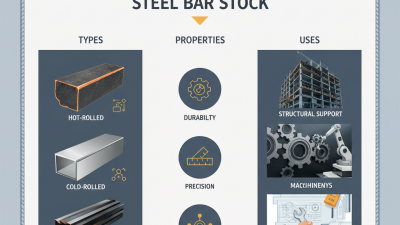
Why Do Buyers Choose Steel Bar Stock?
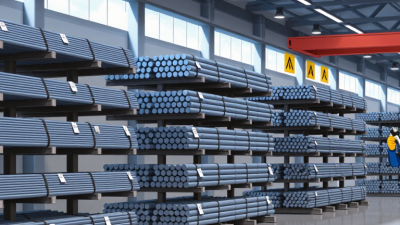
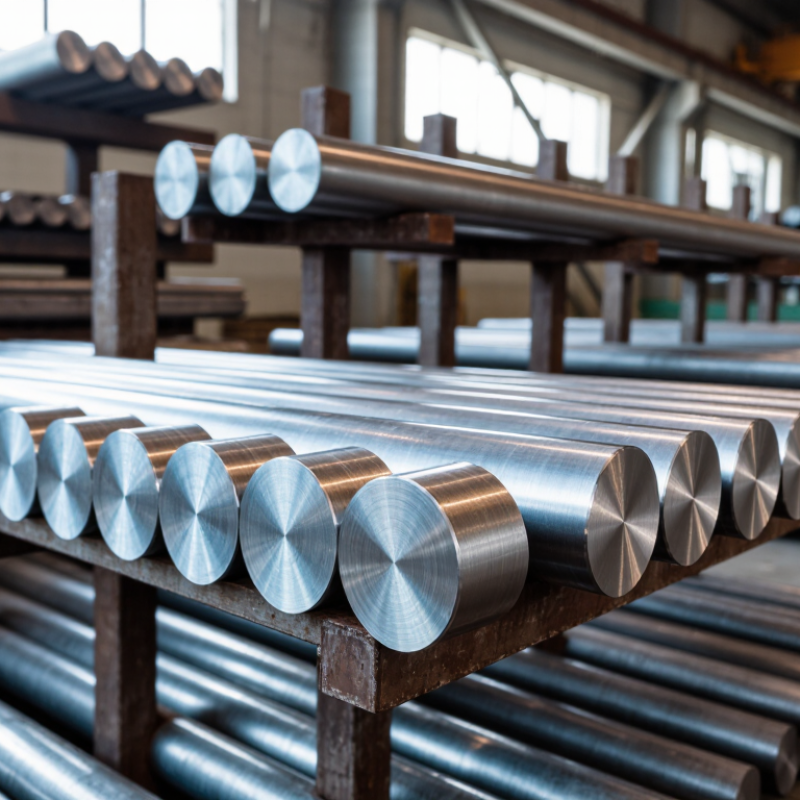
Why do buyers choose steel bar stock when projects demand dependable performance and predictable machining? The answer is practical: bars arrive in defined shapes and sizes, can be cut to length, and suit components such as shafts, pins, fasteners, and machine parts. A round bar on a workshop rack is easy to inspect, handle, and feed into a lathe. That matters.
Demand also provides useful context. The World Steel Association’s October 2024 Short Range Outlook projected global steel demand would rise 1.2% in 2025, to 1.772 billion tonnes. This is a forecast, not a measure of bar-stock sales. Still, it shows steel’s continuing importance across construction, manufacturing, and infrastructure. Edwin Basson, then Director General of worldsteel, has emphasized steel’s lasting role in modern society; the practical lesson for buyers is to match the grade and dimensions to the job, rather than treat all steel as interchangeable.
The choice has trade-offs. Buyers compare strength, machinability, availability, finish, and total processing cost. A readily available bar may reduce lead time, while an unsuitable grade can add machining time or waste. Not every grade. Not every supplier. Specifications, tolerances, and test documentation deserve careful review, especially when parts must perform consistently. Steel bar stock can be a versatile starting material, but its value depends on selecting the right product for the application—and checking the details before ordering.
Steel Bar Stock Forms and Key Material Properties
Why Do Buyers Choose Steel Bar Stock?
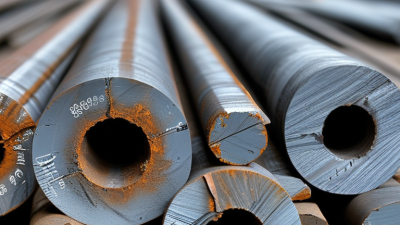
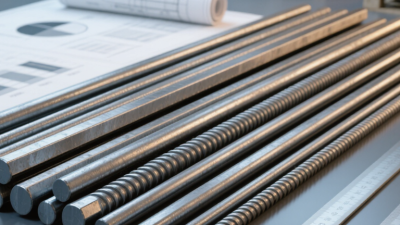
Steel bar stock comes in round, square, flat, and hexagonal forms. Each shape suits different machining and structural needs. Round bars fit shafts and pins; hex bars provide flat faces for gripping and turning. Hot-rolled stock often has a scaled surface, while cold-drawn bars typically offer tighter dimensions and a smoother finish. That difference matters when a part must fit without extensive machining.
Strength depends on the grade, not the shape alone. ASTM A36 specifies a minimum yield strength of 36 ksi, while ASTM A615 Grade 60 reinforcing bar specifies 60 ksi. These figures are useful reference points, not guarantees for every bar product or condition. Buyers should check the supplier’s material certificate and confirm the applicable specification. A missed grade can mean costly rework. I have seen a neat-looking bar selection fail the real need: machinability, weldability, and corrosion resistance deserve equal attention.
Tips: Match the bar shape to the finished part, then verify grade, dimensions, and condition before ordering. For critical applications, request test documentation and confirm tolerances against the drawing.
Strength and Durability Across Industrial Applications
Steel bar stock is chosen for strength that can be specified and checked.
A buyer can match grade, diameter, and condition to the load, then verify dimensions and mechanical test records. ASTM A29/A29M sets general requirements for hot-wrought carbon and alloy steel bars, including provisions for testing. That matters when a shaft, pin, or machine frame must resist repeated loads without taking a permanent bend. Small details count.
Durability depends on more than strength. A bar may face abrasion, impact, moisture, or temperature changes, so alloy, heat treatment, surface finish, and maintenance all matter. The NACE International IMPACT study estimated corrosion costs at US$2.5 trillion globally in 2013, or 3.4% of world GDP. It also estimated that applying existing corrosion-control practices could save 15–35% of those costs. This is a broad industry estimate, not a steel-bar-only figure, but it shows why corrosion planning deserves attention.
In a workshop, durability can start with choosing stock that suits the actual service environment—not simply the highest strength listed. A hard surface may resist wear yet make machining or repair more difficult. That trade-off is easy to overlook. Buyers should review material certificates, tolerances, and any heat-treatment records, then consider how the finished part will be protected and inspected. Even good steel can fail early if its grade is mismatched or its surface is neglected.
Machinability and Flexibility in Manufacturing
Steel bar stock gives machinists room to choose a workable route, rather than accept a finished shape with fixed dimensions. A lathe can turn round bar into a pin; a mill can cut flats, slots, or shoulders from the same starting piece. Short runs benefit from this adaptability. So do repairs, prototypes, and parts with changing specifications.
The material still matters. Carbon content, alloying elements, hardness, and heat treatment affect chip formation and tool wear. ASM International’s machining references use comparative machinability ratings, but those ratings do not guarantee shop-floor cycle times. Tool geometry, feed rate, coolant, and machine rigidity change the result. Chips piling near a drill are a practical warning, not a data point to ignore. World Steel Association’s World Steel in Figures 2024 reports 1.89 billion tonnes of crude steel production in 2023, reflecting steel’s extensive industrial use. That scale does not mean every grade is equally available in every size. ASTM A29/A29M specifies general requirements for hot-wrought carbon and alloy steel bars, helping buyers compare material requirements. Yet a convenient assumption can still fail: confirm grade, condition, straightness, and machining allowance before ordering.
Cost, Availability, and Supply Chain Advantages
Steel bar stock can help buyers control material costs because common sizes and grades are often available from multiple distributors. When a bar arrives close to the required dimensions, shops may remove less material during machining. That can reduce scrap and machine time. The savings depend on the part design, though; a standard size is not automatically the cheapest choice.
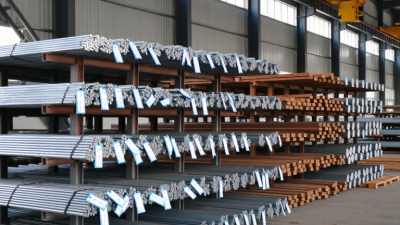
Availability can also keep production moving. A buyer who needs a familiar diameter may be able to source it locally rather than wait for a custom mill run. Shorter lead times can reduce the need to hold extra inventory. Less waiting matters. Still, stock levels change, and an online listing does not guarantee that the full quantity is ready to ship. Confirm dimensions, grade, and delivery timing before scheduling work.
A dependable supply plan considers more than price per pound. Buyers should check material certifications, heat or lot traceability, cut-length tolerances, and how consistently orders arrive. These details help prevent receiving delays and avoidable rework. There can be a trade-off: buying standard stock may simplify procurement, but it may also leave unused drops on the rack. Reviewing recent usage and nesting cut plans against bar lengths can make that choice more grounded.
Selecting the Right Grade and Shape for a Project
Choosing steel bar stock starts with the part’s job, not the shape on the rack. A shaft under repeated loads may need suitable strength and fatigue performance. A welded frame may place greater emphasis on weldability. Corrosion exposure, heat treatment, machining method, and required tolerances also affect grade selection. Check the material certificate and project specifications rather than relying on a grade name alone. A familiar grade can still be unsuitable for a particular process.
Fit matters. Round bar works well for shafts, pins, and turned parts. Flat bar can reduce cutting for plates or brackets, while square bar suits simple supports and machined blocks. Hex bar may be useful when a component needs wrench flats. Compare available stock dimensions with the finished part: a bar that is too small cannot provide enough machining allowance, while oversizing can add waste and cutting time.
A useful shop-floor check is to sketch the part’s critical dimensions and mark where material will be removed. Then compare the likely operations with the chosen grade’s machinability and the supplier’s size tolerances. I would still verify those details before placing an order; catalog descriptions do not answer every project question. Small details count.