Top 10 Cold Rolled Steel Suppliers Worldwide?
Choosing among the Top 10 Cold Rolled Steel Suppliers Worldwide requires more than comparing prices. This guide examines manufacturers and distributors through practical purchasing criteria. These include product consistency, production capacity, surface quality, certifications, delivery performance, and technical support. The focus remains on cold rolled steel for automotive panels, appliances, construction components, and precision fabrication. Buyers often inspect coil edges, thickness tolerance, oiling condition, and visible surface marks before approving a shipment. Small defects can become expensive during stamping or painting.
Reliable evidence matters.
The comparison considers published product information, industry experience, customer requirements, and supplier capabilities. It also recognizes regional differences in grades, standards, logistics, and service models. A supplier with modern rolling mills may still struggle with communication or delivery reliability. Another may offer excellent technical support but limited export capacity. These practical differences deserve attention. Rankings should therefore guide research, not replace supplier audits, sample testing, and contract review. That limitation matters.
The strongest suppliers usually provide traceable mill certificates, clear chemical composition data, and consistent mechanical properties. They can explain yield strength, tensile strength, elongation, and surface finish in usable terms. Experienced buyers should also verify packaging methods, moisture protection, coil weights, and claim procedures. Market conditions change quickly, and public information can become outdated. This overview aims to offer a balanced starting point, while encouraging direct verification with qualified suppliers before any purchasing decision.
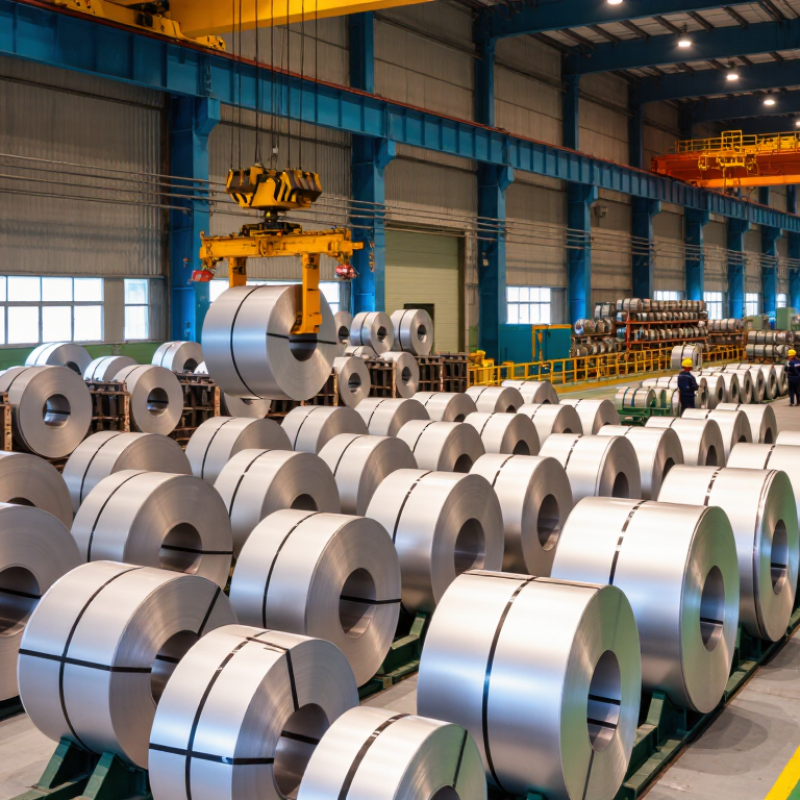
What Is Cold Rolled Steel and Why Does It Matter?
Cold rolled steel begins as hot rolled steel, then passes through rollers at or near room temperature. This process reduces thickness and improves surface finish. It also creates tighter dimensional control than ordinary hot rolled material. The sheet may look smooth and clean, almost like a grey mirror under workshop lights.
That appearance is not its only advantage. Cold rolled steel supports accurate stamping, bending, and light structural fabrication. It is common in cabinets, appliance panels, automotive parts, and precision components. Its strength and consistent thickness can reduce fitting problems during assembly. However, it is not automatically the best choice for every project. Cold working can increase hardness and reduce formability. Poor storage can also invite rust, especially around cut edges and humid loading areas.
When comparing suppliers in a global top-ten list, buyers should inspect more than price. Ask for thickness tolerances, surface grades, coil dimensions, testing records, and coating information. Confirm whether the material matches the required standard and intended forming process. Samples deserve practical testing, not just paperwork. A simple bend test may reveal cracking that a certificate does not show.
I once assumed a brighter surface meant higher quality. That judgment was too quick. Surface appearance can hide internal variation, handling damage, or unsuitable hardness. Reliable sourcing depends on traceable records, clear communication, and realistic application advice. Small details matter.
Top 10 Cold Rolled Steel Suppliers Worldwide? - What Is Cold Rolled Steel and Why Does It Matter?
A country-level comparison of major steel-supply markets and the cold rolled steel characteristics most relevant to buyers.
| Rank | Supplier Market | 2024 Crude Steel Output (million metric tonnes) |
Cold Rolled Steel Relevance | Common Standards Used in the Market | Typical Applications | Buyer Considerations |
|---|---|---|---|---|---|---|
| 1 | China | 1,005.1 | The world's largest steelmaking market, with extensive flat-product, automotive, appliance, and construction supply chains. | GB/T 5213; GB/T 708; ISO 3575 | Automotive panels, appliances, electrical cabinets, furniture, precision components | Confirm surface finish, dimensional tolerances, coil weight, export documentation, and coating requirements. |
| 2 | India | 149.6 | A rapidly expanding steel market with growing demand for automotive-grade and appliance-grade cold rolled sheet. | IS 513; ASTM A1008/A1008M; ISO 3575 | Vehicle bodies, white goods, roofing components, electrical equipment | Check deep-drawing performance, consistency between coils, packaging, and delivery lead time. |
| 3 | Japan | 84.0 | A mature producer known for demanding automotive, electrical, dimensional, and surface-quality requirements. | JIS G 3141; JIS G 3302; ISO 3575 | Automotive outer panels, motors, transformers, precision fabricated parts | Specify temper grade, surface designation, flatness, roughness, and allowable yield-strength range. |
| 4 | United States | 79.5 | A major regional source for high-quality flat steel used in manufacturing, transportation, construction, and energy equipment. | ASTM A1008/A1008M; ASTM A568/A568M; SAE J403 | Automotive parts, HVAC systems, shelving, machinery, electrical enclosures | Review domestic-content rules, trade measures, mill test certificates, and applicable ASTM grades. |
| 5 | Russia | 71.0 | A significant integrated steel market with capabilities across carbon steel flat products and industrial grades. | GOST 16523; GOST 9045; ISO 3575 | Industrial machinery, transport equipment, fabrication, appliances | Assess sanctions, payment routes, logistics, certification validity, and origin requirements before sourcing. |
| 6 | South Korea | 63.5 | A highly export-oriented market with strong automotive, shipbuilding, electronics, and appliance sectors. | KS D 3512; ASTM A1008/A1008M; ISO 3575 | Automotive structures, electronics, appliances, precision stamped parts | Prioritize surface quality, stamping performance, coil traceability, and export-port scheduling. |
| 7 | Germany | 37.2 | A leading European industrial market with strong demand for high-formability, automotive, and engineering steels. | EN 10130; EN 10131; EN 10268 | Automotive body panels, machinery, industrial cabinets, precision fabrication | Check REACH compliance, CE-related documentation, tolerance class, and European delivery terms. |
| 8 | Türkiye | 36.9 | A strategically located supplier market connecting European, Middle Eastern, North African, and Black Sea trade routes. | EN 10130; ASTM A1008/A1008M; ISO 3575 | Construction components, HVAC, appliances, automotive parts, general fabrication | Compare freight routes, customs treatment, coil availability, and certificate conformity. |
| 9 | Brazil | 33.7 | The largest steel-producing market in Latin America, supporting regional automotive, appliance, and infrastructure demand. | ABNT NBR 6658; ASTM A1008/A1008M; ISO 3575 | Automotive components, appliances, furniture, construction products | Evaluate inland transport, port capacity, local standards, and protection against humidity during shipment. |
| 10 | Iran | 31.4 | A major regional steel market serving construction, manufacturing, infrastructure, and downstream metalworking industries. | ISIRI 5722; ASTM A1008/A1008M; ISO 3575 | Industrial equipment, construction products, appliances, fabricated components | Confirm export eligibility, payment and logistics conditions, chemical composition, and third-party inspection needs. |
What Is Cold Rolled Steel?
Cold rolled steel is low-carbon or alloy steel that is further processed at or near room temperature after hot rolling. The process improves thickness control, dimensional accuracy, surface finish, and mechanical consistency. Cold rolled products are commonly supplied as sheets, strips, or coils.
Why it matters: Cold rolling is important when a project requires a smooth appearance, tight tolerances, reliable forming behavior, high repeatability, or a clean surface suitable for painting, plating, or fabrication.
Related Posts
-

What is Cold Rolled Steel and Its Top Applications in 2026?
-
How to Choose the Best Cold Rolled Steel for Your Projects?
-
Why Choose Hot Rolled Bars for Construction?
-
Top 5 Applications of Wire Rods in Modern Manufacturing You Didn't Know About
-
The Versatile Uses of Steel Wire Rod in Modern Construction and Manufacturing
-
How to Choose the Right Wire Rod for Your Project?