| Product Form |
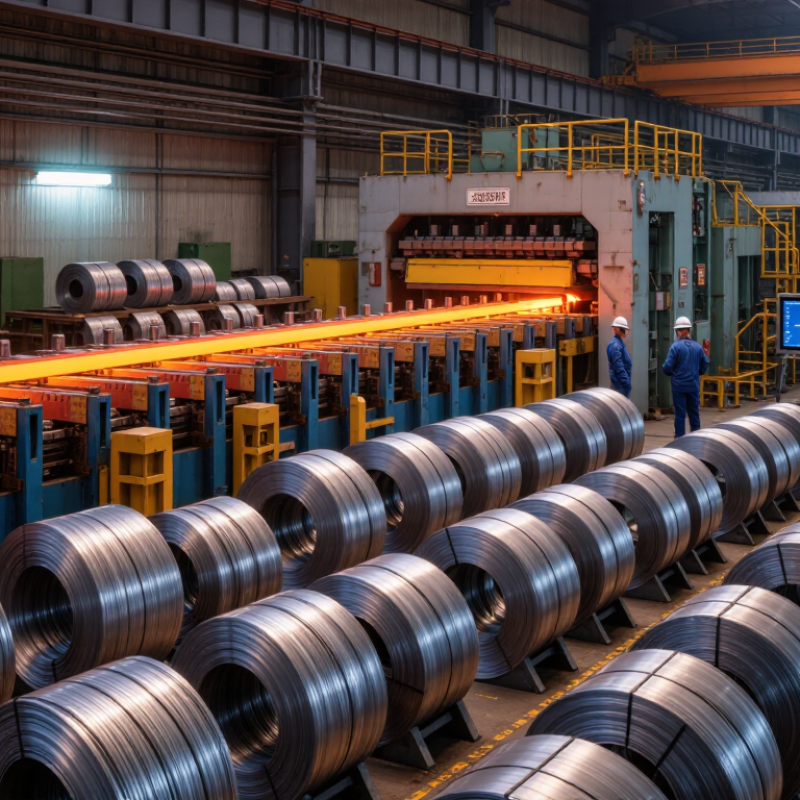
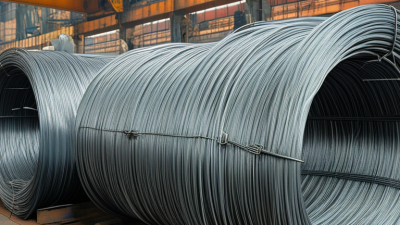
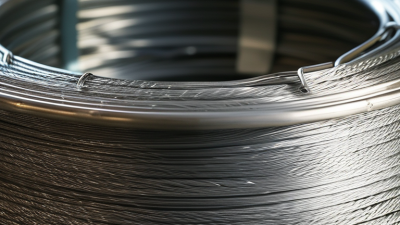
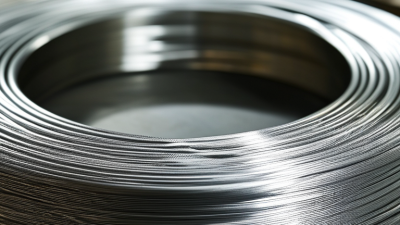
Hot-rolled steel wire rod supplied in coils |
Continuous coil form; diameter commonly ordered in the approximate range of 5.5–16 mm, subject to the product specification and mill capability. |
Product datasheet, purchase specification, dimensional inspection report, and coil photographs. |
Correct product description and dimensions should appear consistently on the quotation, invoice, packing list, and shipping documents. |
Common Requirement |
| Chinese Product Standard |
GB/T 4354, Hot-rolled wire rod |
May cover chemical composition, dimensional tolerances, surface quality, mechanical properties, inspection, testing, marking, and delivery requirements. |
Mill test certificate citing the applicable edition, grade, heat number, test results, and inspection method. |
Useful when the buyer’s contract specifies Chinese standards or when technical equivalence must be assessed against an overseas standard. |
Contract-Dependent |
| European Product Standard |
EN 10016 series for non-alloy steel wire rod |
Commonly used as a reference for non-alloy steel wire rod grades, chemical composition, mechanical properties, surface quality, dimensions, and testing. |
Certificate of conformity, mill test certificate, grade comparison sheet, and agreed inspection plan. |
Helps buyers evaluate conformity for European supply chains; the exact applicable part and grade must be confirmed in the contract. |
Contract-Dependent |
| United States Product Standard |
ASTM A510/A510M for general requirements for wire rods and coarse round wire |
Addresses general requirements such as chemical composition, dimensions, tolerances, surface condition, testing, and identification. |
Mill test certificate, dimensional report, heat analysis, mechanical test results, and third-party inspection report when requested. |
Important for North American buyers when the purchase order requires ASTM compliance or an equivalent technical basis. |
Contract-Dependent |
| Common Carbon Steel Grades |
Low-carbon, medium-carbon, and high-carbon grades selected by end use |
Examples include low-carbon grades for drawing and forming, medium-carbon grades for general wire products, and high-carbon grades for demanding strength applications. Exact chemistry must be contractually defined. |
Heat-number traceability, ladle analysis, product analysis where required, and chemical composition shown on the mill certificate. |
Correct HS classification and destination-country requirements depend on the actual steel grade, form, diameter, and end use. |
Common Requirement |
| Chemical Composition |
Applicable product standard and agreed grade specification |
Carbon, manganese, silicon, sulfur, phosphorus, and any alloying elements must remain within the limits of the specified grade. |
Heat or cast number, ladle analysis, product analysis if specified, and laboratory test method. |
Required for technical acceptance, customs product description, downstream processing, and traceability investigations. |
Common Requirement |
| Dimensional Tolerance |
Applicable national or international product standard |
Diameter, ovality, coil weight, and permitted dimensional deviations must be agreed before production. |
Calibrated measuring equipment records, inspection report, and sampling plan. |
Incorrect dimensions can affect customs descriptions, production compatibility, and claims related to quantity or usable yield. |
Common Requirement |
| Surface Quality |
Product standard and end-use specification |
Wire rod should be free from unacceptable seams, cracks, laps, harmful rust, and other defects beyond the agreed acceptance criteria. |
Visual inspection record, photographs, surface inspection report, and agreed defect acceptance criteria. |
Surface condition may affect drawing, galvanizing, welding, cold heading, and downstream processing performance. |
Common Requirement |
| Mechanical Properties |
Specified by the selected grade and applicable product standard |
Possible parameters include tensile strength, elongation, reduction of area, hardness, or other properties required for the intended application. |
Laboratory test report linked to the heat number and product batch. |
Mechanical test data supports technical acceptance and helps buyers confirm suitability for drawing, welding, fastening, or forming. |
Grade-Dependent |
| Quality Management Certification |
ISO 9001 quality management system |
Demonstrates that a facility operates a certified quality management system within the stated certification scope. |
Valid certificate, certification body, certificate number, scope, issue date, expiry date, and verification through the certification body where available. |
Supports supplier qualification but does not replace product-specific testing or contractual conformity. |
Supplier-Dependent |
| Environmental Management |
ISO 14001 environmental management system |
Indicates a certified environmental management system within the stated organizational and operational scope. |
Valid certificate and certification scope; confirm that the certificate covers the relevant production site. |
May be requested by corporate procurement, sustainability programs, or customer supplier codes. |
Supplier-Dependent |
| Occupational Health and Safety |
ISO 45001 occupational health and safety management system |
Indicates a certified system for managing occupational health and safety risks within the stated scope. |
Valid certificate, certified site details, scope, and validity confirmation. |
Often included in supplier due diligence and responsible sourcing assessments. |
Supplier-Dependent |
| Inspection and Testing |
In-house inspection, third-party inspection, or buyer-witnessed inspection |
Inspection may cover chemistry, dimensions, surface, mechanical properties, coil weight, marking, packaging, and quantity. |
Inspection and test plan, laboratory records, calibration certificates, and independent inspection report if required. |
Reduces disputes and provides evidence for contractual, insurance, and customs-related documentation. |
Common Requirement |
| Mill Test Certificate |
Certificate issued against the actual production heat or cast |
Normally includes product description, grade, standard, heat number, chemical analysis, mechanical results, dimensions, quantity, and inspection status. |
Original or electronically controlled certificate matched to the shipped coil markings and commercial documents. |
Frequently required for customs clearance, downstream processing, quality release, and traceability. |
Common Requirement |
| Traceability |
Heat, cast, coil, and shipment-level identification |
Each coil should be identifiable through a durable tag or marking linked to the mill certificate and packing list. |
Coil tags, heat numbers, production records, packing list, photographs, and certificate cross-reference. |
Supports non-conformity investigations, recalls, customs checks, and customer audits. |
Common Requirement |
| Packaging and Marking |
Buyer-approved export packing specification |
Coils should be securely bundled and marked with grade, size, heat number, coil number, net weight, gross weight, and country of origin where required. |
Packing specification, packing list, pre-shipment photographs, and weight records. |
Accurate marks and weights support cargo handling, customs inspection, inventory control, and claim resolution. |
Common Requirement |
| Core Export Documents |
Commercial invoice, packing list, bill of lading, and certificate of origin where applicable |
Documents should use consistent product descriptions, quantities, weights, marks, consignee details, and shipment terms. |
Draft documents reviewed before shipment and final documents issued after loading. |
Required for customs entry, cargo release, payment procedures, and origin verification. |
Common Requirement |
| HS Classification |
Destination customs tariff schedule for steel wire rod |
Classification may depend on product form, carbon or alloy content, diameter, coating status, and the importing country’s tariff rules. |
HS code confirmation by the importer or customs broker, product specification, and customs ruling where necessary. |
Incorrect classification can cause delays, additional duties, penalties, or documentary discrepancies. |
Must Be Verified |
| Rules of Origin |
Importing-country origin regulations and any applicable trade agreement |
Country of origin should be supported by production records and the appropriate origin declaration or certificate. |
Certificate of origin, manufacturer declaration, production records, and chamber or authority documentation when required. |
May affect preferential tariff treatment, trade remedies, quotas, marking, and customs reporting. |
Destination-Dependent |
| Trade Remedy and Tariff Review |
Importing-country measures applicable to steel products |
Buyers should review anti-dumping, countervailing, safeguard, quota, licensing, and additional tariff measures before ordering. |
Current customs advice, official government notices, importer’s compliance review, and product-specific classification analysis. |
Trade measures can change landed cost and may require additional declarations or importer registration. |
Must Be Verified |
| REACH or Chemical Compliance |
European chemical and article requirements where applicable |
Applicability depends on the product, substances present, customer use, and destination-market obligations; raw steel wire rod is not automatically subject to every chemical-document requirement. |
Material declaration, substance information, customer compliance statement, and supporting test or supplier declarations where relevant. |
Should be reviewed for the destination market and the buyer’s downstream manufacturing obligations. |
Market-Dependent |
| CE Marking |
European Union product legislation, where applicable |
Plain steel wire rod generally does not receive CE marking merely because it is exported to Europe; CE obligations depend on whether the product is covered by specific harmonized legislation or becomes part of a regulated product. |
Legal applicability assessment and, where relevant, declaration or technical documentation from the responsible economic operator. |
Prevents incorrect marking and helps distinguish raw material documentation from finished-product conformity obligations. |
Application-Specific |
| Trade Terms and Payment |
Incoterms® rule and agreed payment method |
Common arrangements include FOB, CFR, CIF, FCA, and other terms selected according to risk, insurance, freight control, and delivery location. |
Signed sales contract, pro forma invoice, documentary requirements, and clearly stated named place or port. |
Defines responsibility for freight, insurance, export clearance, import clearance, risk transfer, and document presentation. |
Common Requirement |
| Pre-Shipment Approval |
Buyer-approved samples, specifications, and inspection plan |
Approval should cover grade, dimensions, tolerance, surface quality, coil weight, marking, packing, documents, and acceptance criteria. |
Signed technical agreement, approved sample, inspection and test plan, and pre-shipment inspection report. |
Creates a clear conformity baseline and reduces disputes after loading or arrival. |
Recommended |