Choosing a stainless steel wire rod supplier requires more than comparing the lowest quoted price. World Steel Association data forecast global steel demand at about 1.773 billion tonnes in 2025. That scale can support competitive offers, but raw material volatility still affects quotations. Ask whether the price is fixed, indexed, or valid for only a few days. Compare the landed cost, including inspection, inland transport, insurance, duties, and port charges.
Lead time needs a written breakdown. Request separate dates for order confirmation, production, testing, packing, and shipment. A supplier promising ten days may mean ten production days only. UNCTAD’s Review of Maritime Transport 2024 notes that shipping carries over 80% of global trade by volume. Port congestion or schedule changes can therefore disrupt an otherwise accurate plan. Require a realistic delivery window and a notification process for delays. Shorter is not always safer.
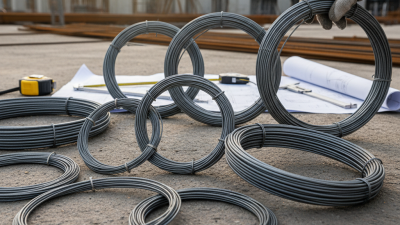
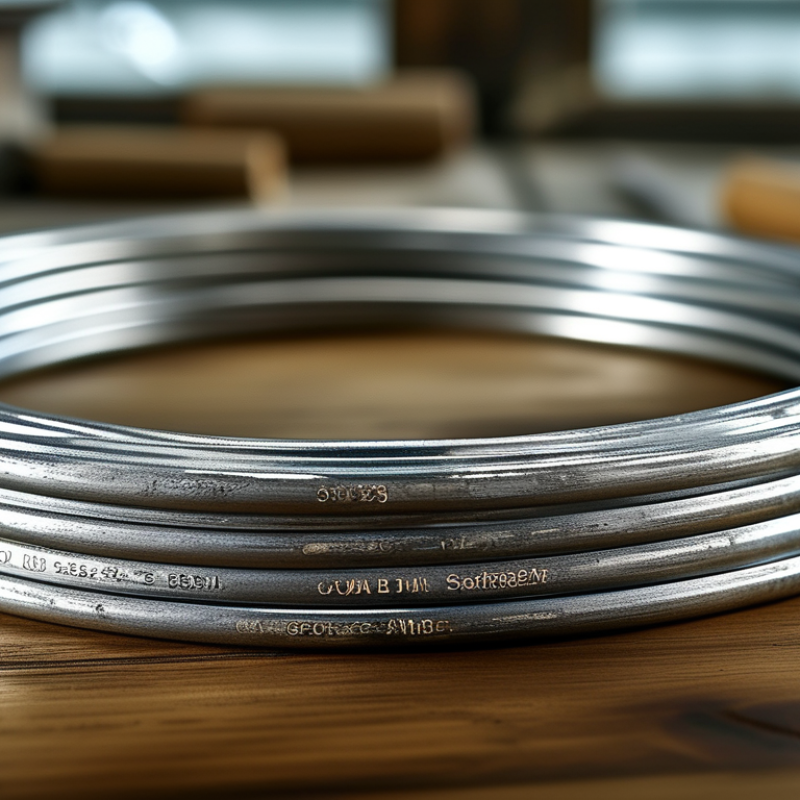
Packaging should match the rod’s grade, diameter, and storage environment. Check coil weight, inner and outer diameter, strapping, moisture barriers, edge protection, and identification labels. Small details matter. Ask for loading photographs and a sample packing specification before purchase. Delivery terms should state the chosen Incoterms 2020 rule, transfer of risk, insurance responsibility, export documents, and detention costs. A low EXW price can become expensive after collection and handling. My comparison would remain provisional until these costs are confirmed in writing. Supplier references, mill certificates, and independent inspection records provide stronger evidence than polished sales promises.