What Is Carbon Steel and How Is It Used?
Carbon steel is one of the most familiar engineering materials, yet its name can sound deceptively simple. It is an iron-based alloy whose carbon content strongly influences hardness, strength, ductility, and weldability. Small chemistry changes can produce very different behavior. The boundary between carbon steel and other steel categories is not always perfectly clean. Industry standards, alloying limits, and product forms can affect the classification.
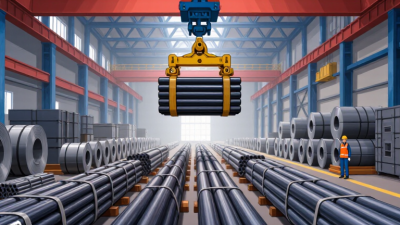
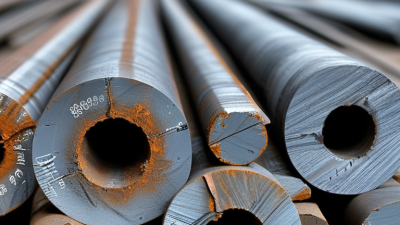
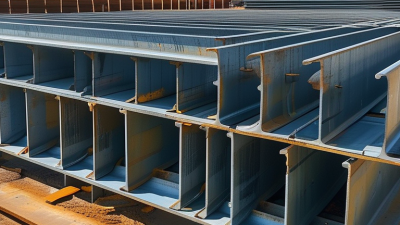
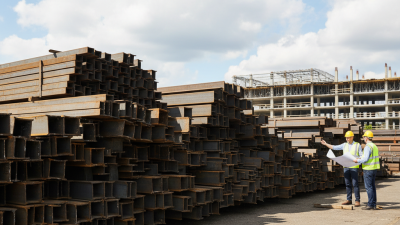
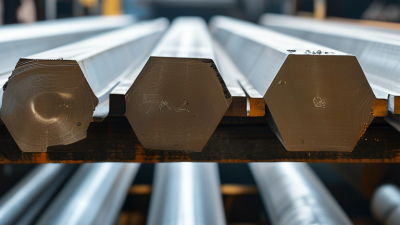
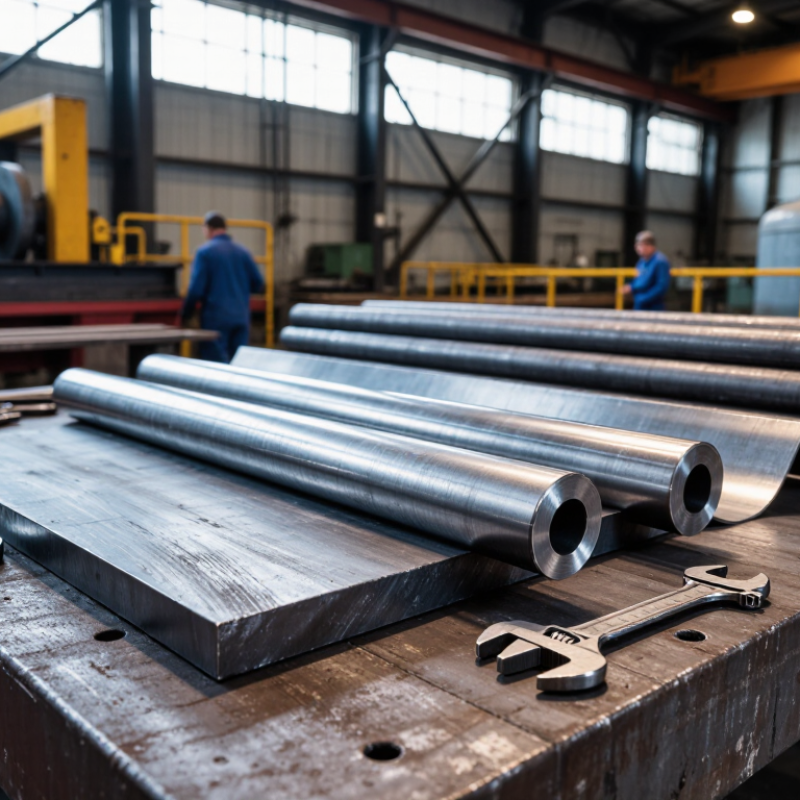
In a workshop, carbon steel may arrive as a dark plate, a bright bar, or thin sheet for fabrication. Manufacturers use it in building frames, vehicle parts, pipes, tools, storage tanks, and machinery. Its appeal is practical: it is widely available, relatively affordable, and easy to machine or form in many grades. Heat treatment can further change its performance. However, strength is not the only concern. Unprotected surfaces can rust when moisture and oxygen remain present. Welding may also require careful preparation, especially with higher-carbon grades. A useful introduction must admit this trade-off. Carbon steel is versatile, but it is not automatically the best choice. Engineers compare load, temperature, corrosion exposure, manufacturing methods, and maintenance needs before selecting a grade. Real projects also reveal details that a data sheet may miss, such as distortion after welding or wear at a sharp contact point. Understanding these practical limits helps readers judge where carbon steel performs reliably—and where another material may be wiser.
Carbon Steel: Definition, Composition, and Key Characteristics
What Is Carbon Steel and How Is It Used?
Carbon steel is an iron-based alloy whose main strengthening element is carbon. It usually contains about 0.05% to 1.0% carbon, with limited amounts of manganese, silicon, and other elements. The classification is not perfectly uniform. Some standards define carbon steel by maximum alloy content, not carbon alone.
Carbon changes the material’s behavior. Low-carbon grades bend easily and suit sheet, pipe, car bodies, and structural frames. Medium-carbon grades offer more strength for axles, rails, and machine parts. High-carbon grades can become very hard after heat treatment, making them useful for springs, cutting tools, and wear-resistant components. That hardness has a cost. The steel may crack more easily during welding or impact.
Scale matters. World Steel Association data reports roughly 1.89 billion tonnes of crude steel production worldwide in 2023. Carbon steel represents a major share of everyday steel products, although exact proportions vary by classification. The U.S. Geological Survey recorded global iron ore mine production near 2.5 billion metric tons in 2023, showing the enormous material base behind steelmaking. Industrial experience also reveals a less tidy reality: a grade listed as “carbon steel” may perform differently after rolling, welding, coating, or heat treatment. Specifications should therefore include carbon content, tensile strength, yield strength, and processing condition. A cheap grade is not automatically a poor choice. It may simply need better corrosion protection.
How Carbon Content Shapes the Properties of Carbon Steel
Carbon steel is an iron-based alloy whose main strengthening element is carbon. ASTM A941 describes it as steel without specified minimum levels of chromium, cobalt, nickel, or other alloying elements. Carbon content changes its behavior noticeably.
Low-carbon steel
usually contains less than 0.25% carbon. It bends easily, welds well, and suits panels, pipes, and structural sections.
Medium-carbon steel
commonly containing 0.25% to 0.60% carbon, offers greater strength and wear resistance. Engineers often select it for shafts, rails, gears, and heavily loaded machine parts.
High-carbon steel
can exceed 0.60% carbon. It becomes harder after heat treatment, but also less ductile and more difficult to weld.
Small chemistry changes matter. Processing matters too.
The World Steel Association reported approximately 1.89 billion tonnes of crude steel production worldwide in 2023. Carbon steel represents a major share of everyday construction and manufacturing materials, although public production reports often group steel by product rather than carbon grade. The U.S. Geological Survey’s Mineral Commodity Summaries 2024 also recorded global steel production near 1.9 billion tonnes for that year.
These figures show scale, not automatic suitability. A higher carbon percentage does not always mean better steel. I treat carbon content as a starting point, then check heat treatment, thickness, loading, and weldability. That judgment can still be imperfect.
Main Types and Grades of Carbon Steel
Carbon steel is iron alloyed mainly with carbon, while other alloying elements remain limited. Its performance changes sharply with carbon content. Low-carbon steel, often below about 0.25% carbon, bends easily and suits car panels, pipes, fasteners, and structural frames. Medium-carbon steel, roughly 0.25–0.60%, offers greater strength and wear resistance. Shafts, rails, and machinery parts commonly use it. High-carbon steel contains about 0.60–1.00% carbon and can become very hard after heat treatment. Cutting tools and strong springs rely on this behavior. The boundaries vary between standards, so simple labels can mislead.
Grades provide more practical information than type names alone. ASTM A36 structural steel has a minimum yield strength of 36 ksi, or about 250 MPa. ASTM A572 Grade 50 raises that requirement to 50 ksi, or about 345 MPa. These figures help engineers select sections for beams, platforms, and bridges. The World Steel Association reported approximately 1.89 billion tonnes of crude steel production in 2023, showing the material’s enormous industrial scale. That figure covers all steel categories, not carbon steel alone. A useful caution.
In workshops, grade selection also depends on welding, thickness, corrosion exposure, and heat treatment. A stronger grade is not automatically better. High-carbon steel may crack during welding without controlled procedures. Low-carbon steel may deform under repeated loads. Specifications must be checked against the governing standard, mill certificate, and actual service conditions. Field experience still matters; drawings can omit an awkward detail.
Carbon Steel: Typical Carbon Content by Grade
Carbon steel is commonly classified as low-carbon steel below 0.30% carbon, medium-carbon steel from approximately 0.30% to 0.60%, and high-carbon steel from approximately 0.60% to 1.00%. The chart shows typical carbon-content ranges for representative AISI/SAE grades; exact limits may vary by specification and product standard.
How Carbon Steel Is Manufactured and Processed
Carbon steel is an iron-based alloy containing carbon, usually with limited amounts of manganese, silicon, and other elements. Its properties depend heavily on carbon content and processing history. Low-carbon grades are easier to form and weld, while higher-carbon grades offer greater hardness and wear resistance. The balance is not always simple.
Manufacturing begins with iron ore, recycled steel, or a mixture of both. A furnace melts these materials, then operators adjust carbon and unwanted elements through refining. The liquid steel is cast into slabs, billets, or blooms. These shapes are heated and passed through rollers to produce sheets, bars, pipes, or structural sections. Cold working can improve dimensional accuracy and surface finish, but it may increase internal stress. Heat treatment, such as annealing or quenching, changes hardness and toughness. Quality teams check chemical composition, thickness, surface defects, and mechanical performance. One missed variable can affect an entire production batch.
Tips: Match the grade to the application, not just the price. Check weldability before fabrication. Store unfinished steel in a dry, ventilated area to reduce rust. For critical parts, request test certificates and verify dimensions independently. Processing choices matter. A well-selected steel can still fail if forming, heating, or cooling is poorly controlled. Real production often requires adjustment, because material behavior can differ slightly between batches.