Top 10 Uses of 1045 Steel in Modern Manufacturing and Industry?
In the realm of modern manufacturing, the choice of materials is crucial. Among various options, 1045 steel stands out due to its versatility and strength. This medium carbon steel is known for its excellent balance of hardness, toughness, and wear resistance. Consequently, it finds applications across numerous industries.
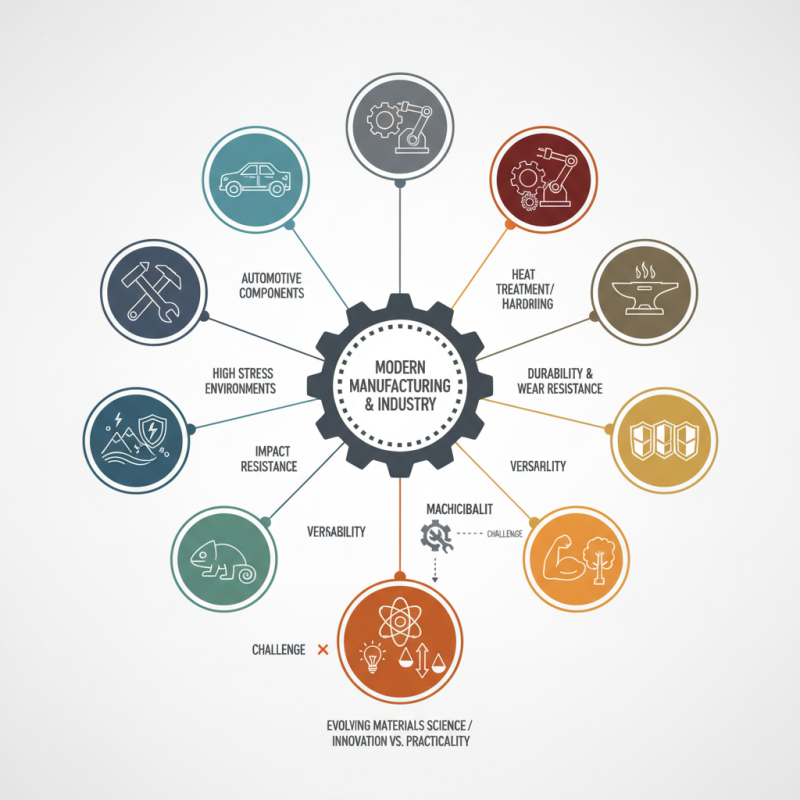
1045 steel is often used in automotive components, industrial machinery, and tools. Its ability to withstand high stress and impact makes it ideal for tough environments. This material can be hardened through heat treatment, enhancing its performance. However, its machinability can sometimes pose challenges.
Manufacturers frequently explore new uses for 1045 steel. Yet, the ongoing evolution of materials science invites scrutiny. Can this steel remain relevant as new alloys emerge? The balance between innovation and practicality is essential. Understanding its limitations is vital for its effective application in today’s market.
Top 10 Applications of 1045 Steel in Modern Manufacturing
1045 steel plays a crucial role in various industries today. Its high carbon content gives it exceptional strength and hardness. This makes it ideal for parts that endure significant stress. For instance, it is often used in manufacturing gears. These components require durability and precision, making 1045 a popular choice.
Another important application is in the production of axles and shafts. These parts must withstand both torsional and bending forces. The properties of 1045 steel allow them to perform well under these conditions. Additionally, it is widely used in producing tools, such as wrenches and precise machine components. Such tools benefit from 1045's strength and wear resistance, enhancing overall performance.
However, working with 1045 steel does come with challenges. Proper heat treatment is crucial to maximize its potential. Without it, the material may be too brittle or not hard enough. Manufacturers need to pay close attention to the processes involved. They should also consider potential alternatives for specific applications. Reflecting on these factors can lead to more informed decisions in material selection.
Automotive Industry: Strength and Durability of 1045 Steel Components
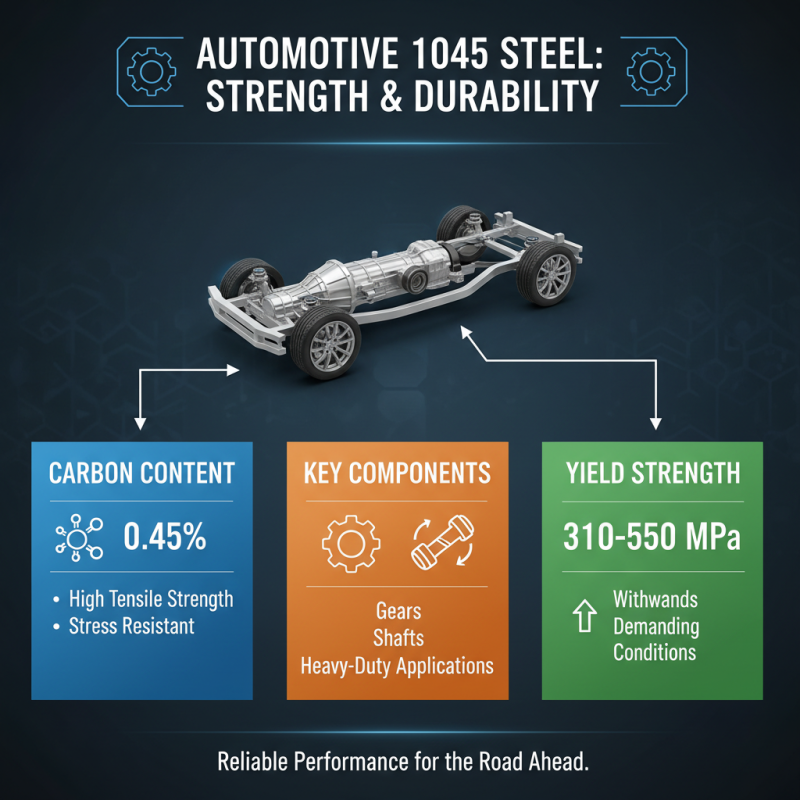
The automotive industry heavily relies on the strength and durability of 1045 steel. This steel grade boasts a carbon content of around 0.45%, providing excellent tensile strength and capability to withstand high levels of stress. Components such as gears and shafts made from 1045 steel often endure demanding conditions. This material's yield strength typically ranges from 310 to 550 MPa, making it suitable for heavy-duty applications.
In recent reports, it was noted that around 15% of automotive parts utilize 1045 steel. These components directly impact vehicle performance and safety. For instance, crankshafts require high fatigue resistance, and 1045 steel is an ideal choice. However, insufficient quality control during production can lead to unexpected failures in critical components. Manufacturers must address this challenge.
Another aspect is weldability. While 1045 steel can be welded, it requires preheating and careful techniques to avoid cracking. Improper welding could lead to serious structural issues. Balancing these attributes is essential for enhancing automotive reliability. As the industry pushes for lighter vehicles, the use of 1045 steel must be evaluated continuously for performance and safety.
Industrial Machinery: Role of 1045 Steel in Enhancing Equipment Lifespan
1045 steel plays a significant role in enhancing the lifespan of industrial machinery. This medium carbon steel, known for its toughness and strength, is often utilized in various machine components. Parts like gears, shafts, and crankshafts can experience high wear. Using 1045 steel mitigates this risk. The material's ability to endure high stress leads to reduced maintenance needs.
Maintenance can be a double-edged sword. While durable, 1045 steel components still require regular checks. Inadequate inspections might lead to unexpected failures. Manufacturers often overlook the importance of routine maintenance. They might focus solely on initial durability. However, this shortsightedness can cut the lifetime of machines.
The heat treatment options available for 1045 steel add another layer of value. Quenching and tempering can enhance hardness while maintaining toughness. This flexibility allows for tailored properties based on specific applications. Yet, improper heat treatment can lead to brittleness. This highlights the need for careful application. Even with its strength, attention to detail is crucial in the manufacturing process.
Construction Tools: How 1045 Steel Improves Tool Performance and Reliability
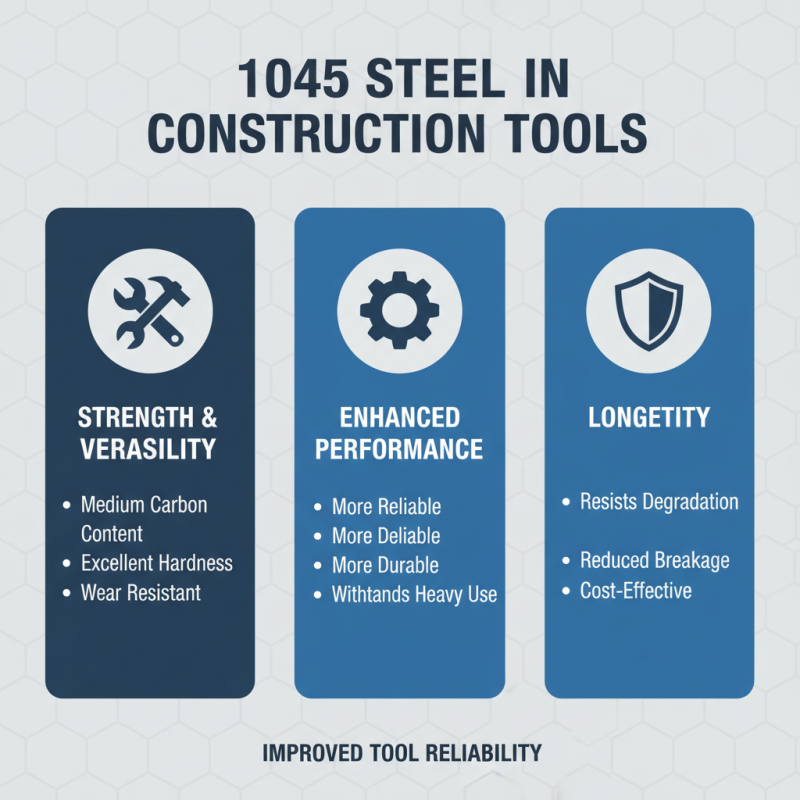
1045 steel is known for its strength and versatility. In construction tools, it plays a vital role in enhancing performance. This steel grade contains a medium amount of carbon. This gives it excellent hardness and wear resistance. Tools made from 1045 steel tend to be more reliable and durable. They withstand heavy use without degrading quickly.
When choosing tools, consider their application. For instance, cutting tools benefit from the hardness of 1045 steel. This allows for cleaner cuts and longer tool life. On the other hand, some may find this steel too brittle for extreme applications. Balancing hardness and toughness is crucial in tool design.
Tips: Ensure you select the right tool for your task. Not all tasks require the hardest material. Sometimes, a bit more flexibility is needed. Also, maintain your tools well. Regular cleaning and sharpening will extend their lifespan. Understanding your tools will enhance your work efficiency.
Manufacturing of Shafts and Axles: Benefits of 1045 Steel in Heavy Loads
1045 steel is a popular choice for shafts and axles in modern manufacturing. Known for its medium carbon content, it provides an excellent balance of strength and toughness. This makes it ideal for heavy loads. Shafts made from 1045 steel are often used in industrial machinery, automotive applications, and power transmission.
The properties of 1045 steel also offer enhanced fatigue resistance. This feature is crucial for parts subjected to repeated stress. For example, axles in vehicles must withstand significant torque and weight. However, achieving the perfect treat for these components can be tricky. Overheating during the hardening process can lead to warping, which compromises performance.
Moreover, 1045 steel is relatively easy to machine compared to higher carbon steels. This manufacturability makes it a favorite among engineers. Flaws can arise if the specifications are not strictly followed. Variations in the composition can lead to unpredictable results. Overall, while 1045 steel has many benefits, careful attention must be paid to its processing to ensure optimal performance.
Conclusion
1045 steel is a versatile medium-carbon steel that plays a crucial role in various sectors of modern manufacturing and industry. Its unique combination of strength and durability makes it an ideal choice in the automotive industry, where components made from 1045 steel are designed to withstand significant stress and wear. Additionally, in industrial machinery, 1045 steel enhances equipment lifespan through its superior resistance to abrasion and deformation.
In the construction tool sector, 1045 steel improves performance and reliability, ensuring that tools can handle demanding tasks effectively. Furthermore, its application in the manufacturing of shafts and axles allows for robust solutions capable of supporting heavy loads. The oil and gas industry also benefits from 1045 steel's properties, utilizing it for high-pressure applications where safety and performance are paramount. Overall, the diverse applications of 1045 steel underscore its importance in contemporary manufacturing practices.