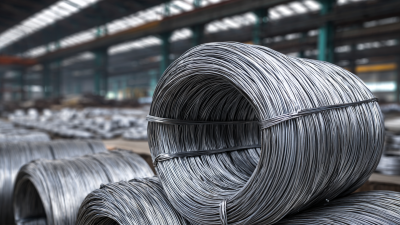
Top 10 Steel Rod Specifications You Need to Know for Your Projects
In the ever-evolving construction and manufacturing industries, understanding the specifications of steel rods is crucial for ensuring structural integrity and meeting project requirements. As highlighted in the latest report by the International Steel Association, the global demand for steel rods is projected to increase by 3% annually through 2025, driven by infrastructural developments and industrial growth. As John Smith, a leading expert in metallurgical engineering, emphasizes, “Selecting the right steel rod specification not only optimizes the performance of a project but also significantly reduces the risk of structural failures.”
The variety of steel rod specifications can directly impact load-bearing capacities, tensile strength, and overall durability of constructions, and as such, it is essential for engineers, architects, and procurement specialists to be well-versed in these criteria. According to recent market analysis, the specific grades and diameters of steel rods affect their applications across different sectors, including residential buildings, highways, and bridges. Understanding these specifications is not merely an academic exercise; it has practical implications on costs, project timelines, and safety standards. This article will outline the top 10 steel rod specifications essential for your projects, ensuring that you are equipped with the knowledge needed to select the right materials for effective and safe engineering solutions.

Overview of Steel Rod Specifications in Construction Projects
In construction projects, the specifications of steel rods play a crucial role in determining the structural integrity and durability of buildings. Steel rods, often used in reinforced concrete applications, are categorized based on various factors such as diameter, yield strength, and tensile strength. Understanding these specifications is essential for engineers and builders to ensure that their projects can withstand the loads and stresses they will encounter during their lifespan.
The diameter of steel rods typically ranges from a few millimeters to several centimeters, influencing their capacity to bear weight. Yield strength, measured in megapascals (MPa), indicates the maximum stress a rod can withstand without permanent deformation. This specification is critical, as it determines how much load the rod can handle before failing. Similarly, tensile strength measures the maximum stress the rod can endure when being pulled.
Selecting the right steel rod specifications, based on these parameters, ensures that structures maintain their safety and longevity while meeting engineering standards and design requirements.
Key Properties that Define Quality Steel Rods
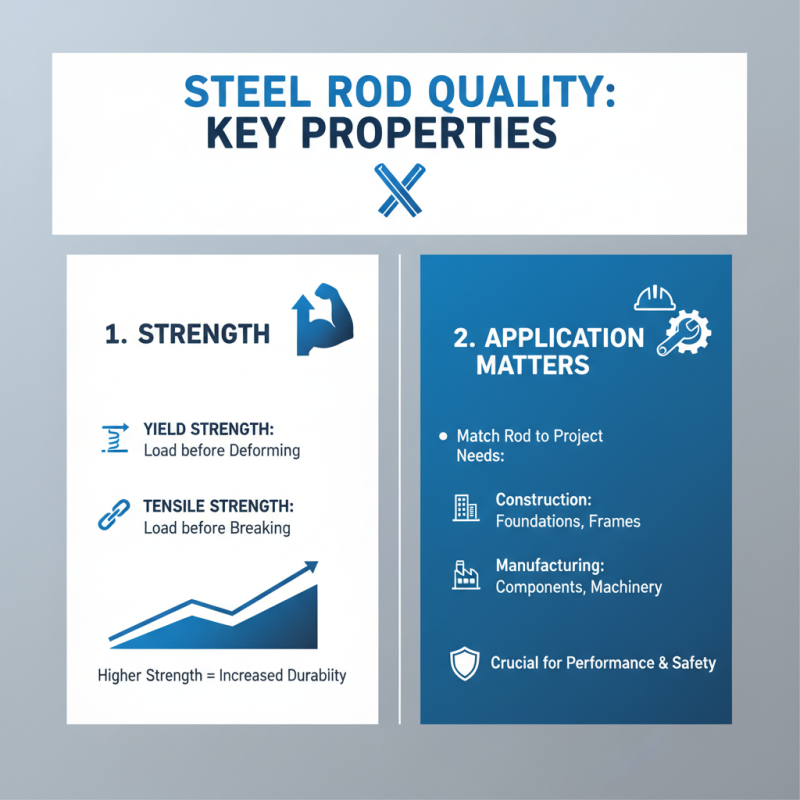
When selecting steel rods for various construction and manufacturing projects, understanding the key properties that define quality is crucial. The strength of a steel rod is the most significant determinant of its performance in applications. This is measured by yield strength and tensile strength, which indicate how much load the rod can bear before deforming or breaking. Higher strength levels generally correlate with increased durability, making it essential to choose steel rods that meet the specific requirements of the project.
In addition to strength, the corrosion resistance and ductility of the steel rod are vital properties to consider. Corrosion resistance is determined by the chemical composition and treatment of the steel, which affects its ability to withstand environmental factors without deteriorating. On the other hand, ductility refers to the material's ability to deform without breaking, which is important in applications where impact or stress is prevalent. Quality steel rods will combine these properties effectively, ensuring reliability and longevity in use, ultimately contributing to the success of the project at hand.
Common Types of Steel Rods Used in Various Applications
Steel rods are integral components in various construction and manufacturing applications, each tailored for specific needs. Among the most common types are mild steel rods, known for their ductility and versatility, making them an excellent choice for reinforcement in concrete structures. These rods can be easily welded and formed, which ensures they can adapt to numerous project specifications.
Another popular type is high carbon steel rods, which possess greater strength and hardness compared to their mild counterparts. These rods are used in areas requiring enhanced durability, such as in the manufacturing of springs, gears, and high-stress components. Additionally, stainless steel rods offer excellent corrosion resistance, making them suitable for outdoor applications or environments prone to moisture. Their aesthetic appeal also allows for use in architectural projects where appearance is a consideration alongside functionality.
Lastly, alloy steel rods combine various elements to improve specific properties like strength, wear resistance, and toughness, making them ideal for heavy-duty applications. Industries such as automotive and aerospace frequently utilize these rods due to their superior performance under extreme conditions. Understanding the characteristics of these common types of steel rods is crucial for ensuring the success and longevity of your projects.
Understanding the different types of steel rods and their common uses can significantly enhance the effectiveness of your projects. This chart illustrates the usage in tons of various steel rod types, highlighting their importance in construction and manufacturing applications.
Understanding Strength and Durability Standards for Steel Rods
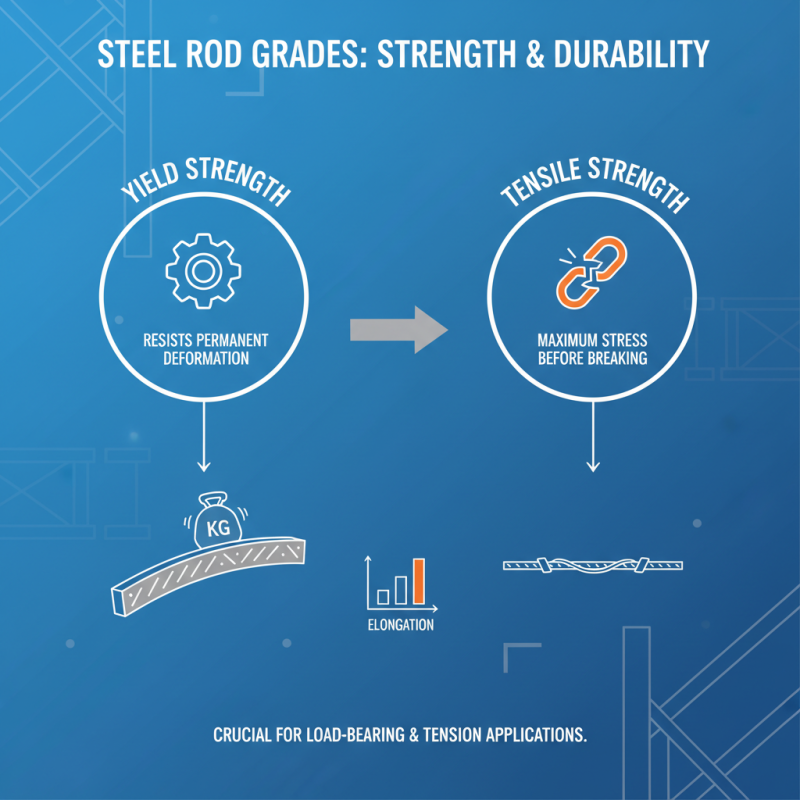
When selecting steel rods for construction and engineering projects, understanding strength and durability standards is crucial. Steel rods are graded based on various properties, including yield strength, tensile strength, and elongation. Yield strength denotes the maximum stress that a material can withstand without permanent deformation, making it a critical factor in ensuring that the steel rod can bear the loads it will encounter in application. The tensile strength, on the other hand, indicates the maximum stress that the rod can endure while being stretched or pulled before breaking, providing insight into the material’s capacity to perform under tension.
Durability encompasses more than just strength; it also involves considerations like resistance to corrosion and fatigue. Different steel compositions can enhance the overall resilience of the rod over time, especially in harsh environments. For example, stainless steel rods exhibit superior resistance to corrosion compared to standard carbon steel, making them suitable for marine applications and other settings where exposure to moisture is inevitable. Additionally, understanding the fatigue limit—the point at which repeated loading can lead to failure—is essential for selecting the right steel rods for applications subjected to cyclical stresses, such as in bridge constructions or machinery components. By prioritizing these strength and durability standards, engineers and builders can ensure the long-lasting performance and safety of their projects.
Factors Influencing the Selection of Steel Rod Specifications
When selecting steel rod specifications for your projects, several factors come into play that can significantly impact the
performance and durability of the final product. One critical aspect is the intended application of the steel rods. Different projects may demand specific mechanical properties, such as
tensile strength, yield strength, and ductility. Understanding the requirements of your project helps in choosing the appropriate grade of steel that aligns with the expected loads and environmental conditions.
Another important consideration is the environmental factors that the steel will be exposed to during its lifespan. Projects located in areas with high corrosion potential may require steel rods with specialized coatings or higher alloy content to enhance their resistance to rust and degradation. Additionally, the manufacturing process of the steel rods, such as cold drawing or hot rolling, can also influence the final specifications. Each method affects the material's microstructure and overall properties, making it essential to understand how these processes align with your project requirements. By carefully evaluating these influencing factors, you can ensure the selection of steel rod specifications that deliver both performance and longevity.