Top 10 Steel Grades Every Global Buyer Should Know?
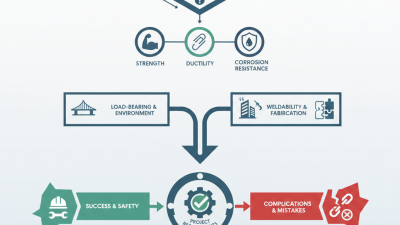
When navigating the global steel market, understanding steel grades is essential. As John Smith, a noted steel industry expert, once said, "Choosing the right steel grade can define the success of a project." Steel grades dictate the strength, durability, and applications of steel products. For buyers, knowing these grades is not just useful—it’s imperative.
In today's market, confusion often arises from the wide variety of steel grades available. Each grade has unique properties that cater to specific needs. The constant evolution of steel production technology makes this knowledge even more critical. For instance, alloys can change performance characteristics drastically. Buyers must keep pace with these developments to make informed decisions.
Missing out on crucial steel grades can lead to costly mistakes. Thinking about your project's requirements is vital. Every application demands a different approach to steel selection. An informed buyer can navigate these complexities effectively, ensuring a successful outcome. Embracing this knowledge helps build a foundation for future projects in the competitive steel landscape.

Essential Steel Grades for Various Industries
In various industries, knowing the right steel grades is essential. Different applications require specific properties like strength, corrosion resistance, and hardness. For example, construction often relies on structural steel grades like S235 and S355. These steels offer high yield strength and versatility for building frameworks and infrastructure.
Manufacturing also demands specialized steel grades. Stainless steels, like 304 and 316, are common in food processing and chemical industries. They resist oxidation and maintain hygiene. However, not all stainless steels are equal. Each grade has unique compositions and properties that need careful consideration.
The automotive industry prioritizes high-strength low-alloy (HSLA) steels. These grades provide excellent mechanical properties while remaining lightweight. Yet, manufacturers must be vigilant about the trade-offs. A lighter material can compromise other aspects, like durability. Always assess the specific requirements of your application. Careful evaluation can help in selecting the most suitable steel grade, ensuring efficiency and reliability in production processes.
Characteristics and Applications of Carbon Steel
When discussing carbon steel, its characteristics and applications are crucial for global buyers. Carbon steel is prevalent in manufacturing due to its strength and durability. It comprises iron and carbon, with varying carbon content affecting its properties. For instance, low-carbon steel has around 0.05%-0.3% carbon, making it malleable and easy to weld. Conversely, high-carbon steel, with 0.6%-1.5% carbon, is typically used in making tools and machinery, owing to its hardness and wear resistance.
According to the World Steel Association, carbon steel accounts for approximately 90% of global steel production. This versatile material is employed in construction, automotive, and machinery sectors. It is integral in creating infrastructure, from bridges to buildings. However, its susceptibility to corrosion presents a notable challenge. Proper coatings and treatments can mitigate rust, but continuous monitoring is essential to maintain structural integrity.
**Tip:** Always assess your carbon steel needs based on the specific application. Different grades serve different purposes, impacting performance and durability.
In recent studies, researchers noted that the demand for high-strength carbon steel is rising. It's crucial for buyers to choose the right grade. Mismatched steel grades can lead to failures in critical applications. Quality control processes should involve rigorous testing and standards compliance to ensure reliability.
**Tip:** Familiarize yourself with various carbon steel grades and their properties. This knowledge empowers better purchasing decisions.
Top 10 Steel Grades Every Global Buyer Should Know
| Steel Grade |
Characteristics |
Applications |
| A36 |
Low carbon steel, good weldability, and formability. |
Structural components, bridges, buildings. |
| 1018 |
Low carbon steel with good machinability. |
Automotive parts, precision machined components. |
| 1045 |
Medium carbon steel with high strength and toughness. |
Shafts, gears, axles. |
| 4140 |
Alloy steel with high strength, good fatigue resistance. |
Heavy-duty machinery, automotive, oil and gas. |
| 8740 |
Chromium-nickel alloy steel with tough, hard, and stable properties. |
Aerospace, automotive, military applications. |
| SAE 1020 |
Low carbon steel, good for welding and bending. |
Manufacturing pipes, machinery parts. |
| S235JR |
Structural steel with good weldability and impact resistance. |
Construction, bridge design, general engineering. |
| A992 |
High-strength steel for building structures. |
Steel frames for skyscrapers, buildings. |
| A500 |
Structural tubing with high strength-to-weight ratio. |
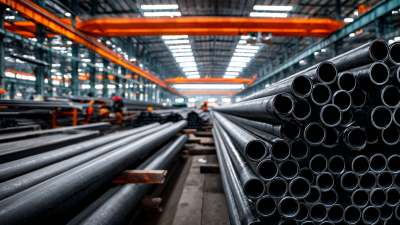
Construction, mechanical applications. |
| C45 |
Medium carbon steel known for hardening and strength. |
Automotive, machinery components, tooling. |
Understanding Alloy Steel and Its Variants
Alloy steel is composed of carbon and other elements. The added elements enhance its properties. These can improve strength, ductility, and corrosion resistance. Common alloying elements include chromium, nickel, and molybdenum. Each element serves a specific purpose, tailoring the steel to diverse applications.
Understanding the variants of alloy steel is crucial. Low-alloy steel contains smaller amounts of alloying elements. This type offers good strength and weldability. On the other hand, high-alloy steel has a higher concentration of these additions. It excels in high-stress environments. These steels are often used in machinery and construction.
Buyers should recognize the importance of selection. Choosing the wrong grade can lead to failures. It is essential to consider the application's requirements. This includes environmental conditions and load-bearing needs. Familiarity with these grades informs better decisions. Always seek reliable sources for guidance on best practices.
The Role of Stainless Steel in Modern Manufacturing
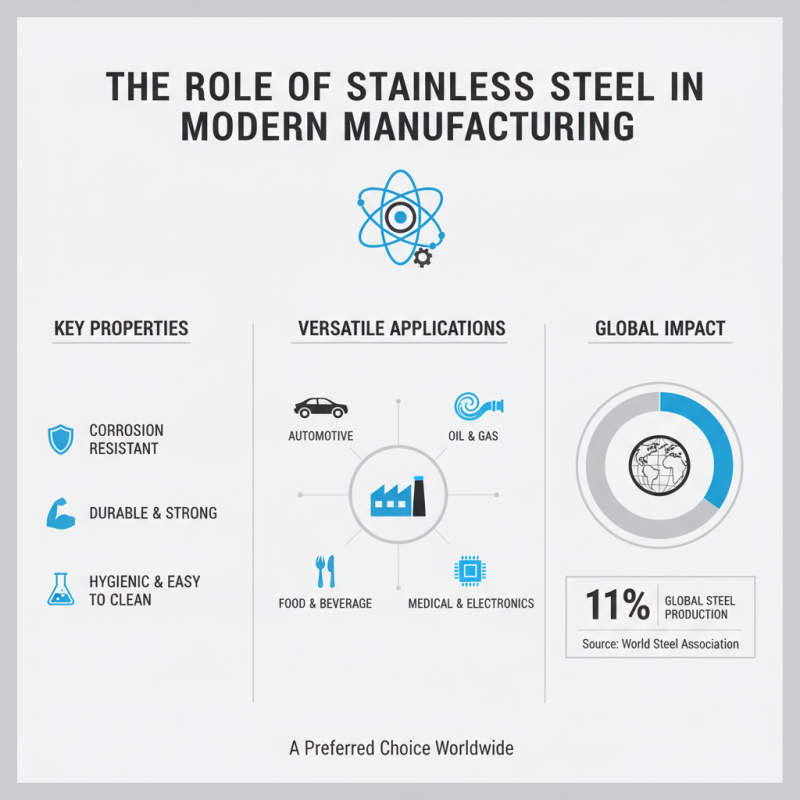
Stainless steel plays a crucial role in modern manufacturing. Its unique properties make it a preferred choice across various industries. According to the World Steel Association, stainless steel accounts for around 11% of global steel production. This market share highlights its widespread usage and acceptance worldwide.
Its resistance to corrosion and high temperatures makes stainless steel ideal for challenging environments. Industries such as aerospace and automotive rely heavily on these properties. Reports indicate that the demand for stainless steel will continue to grow, driven by increasing applications. For example, the automotive sector aims for lighter and more fuel-efficient materials. Stainless steel is an excellent solution here.
However, challenges remain. The production process of stainless steel can be energy-intensive. Manufacturers must consider sustainability. Furthermore, recycling stainless steel is essential. A staggering 90% of stainless steel can be recycled without deterioration. Balancing production efficiency and environmental concerns is vital as the industry moves forward.
Specialty Steel Grades for Advanced Engineering Needs
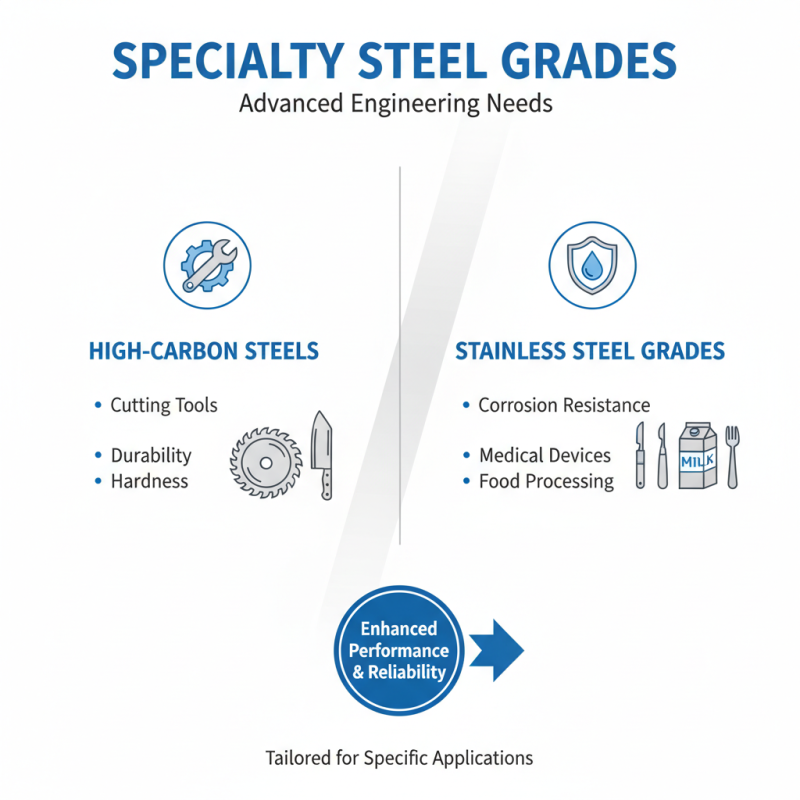
Specialty steel grades play a crucial role in advanced engineering applications. These steels are tailored for specific needs, enhancing performance and reliability. For example, high-carbon steels are often used for manufacturing cutting tools due to their durability. Similarly, stainless steel grades offer excellent corrosion resistance, making them ideal for medical devices and food processing.
Engineers face many challenges when selecting the right steel grade. Each application has unique requirements. Understanding the mechanical properties of these steels is essential. With countless grades available, buyers must navigate a complex landscape. It’s vital to consider factors such as tensile strength, ductility, and heat treatment. Each grade’s performance can significantly impact project outcomes.
Choosing the wrong steel can lead to failures and safety issues. Some specialty steels may come at a higher cost, creating budget constraints. Balancing performance and affordability is a common challenge. Buyers should consult with experts to ensure the best choice for their engineering needs. Continuous learning and adaptation in this field are necessary for success.