Need Steel Tips for Global Buyers to Source Efficiently?
In today's fast-paced global market, buyers often face challenges when they need steel. Sourcing efficiently is crucial for any operation. Quality, pricing, and delivery time can vary significantly. Understanding these factors can help buyers make informed decisions.
Global buyers must navigate a complex landscape. They need steel suppliers who adhere to international standards. Establishing trust is essential. Many issues arise when communication is lacking. Buyers may face unexpected delays or quality concerns. Clear guidelines can prevent misunderstandings.
It's essential to assess potential suppliers thoroughly. Many experienced buyers emphasize the importance of visiting suppliers' facilities. This on-site evaluation offers insights into production capabilities. Additionally, gathering feedback from other buyers can highlight a supplier's reliability. In this ever-evolving field, staying informed is key to success.
Understanding the Global Steel Market Landscape
Understanding the global steel market is crucial for buyers seeking efficiency. The steel industry is complex and ever-changing. Buyers need to grasp market trends, pricing dynamics, and supplier integrity. Being informed about regional variations is key to successful sourcing.
Prices fluctuate based on demand, production capacity, and geopolitical factors. For instance, regions with high production might offer lower costs. However, this also comes with risks like supply chain disruptions. Demands can shift rapidly, leading to price volatility. Monitoring these developments is essential for informed decisions.
Building strong relationships with suppliers can enhance reliability. Trustworthy suppliers usually provide consistent quality and timely delivery. However, potential buyers often struggle to find partners who meet these standards. It is vital to assess supplier credentials and market reputation carefully. Engaging in market research can reveal valuable insights, but relying solely on data may not capture the full picture.
Global Steel Production by Region (2022)
Key Factors Influencing Steel Prices for Buyers
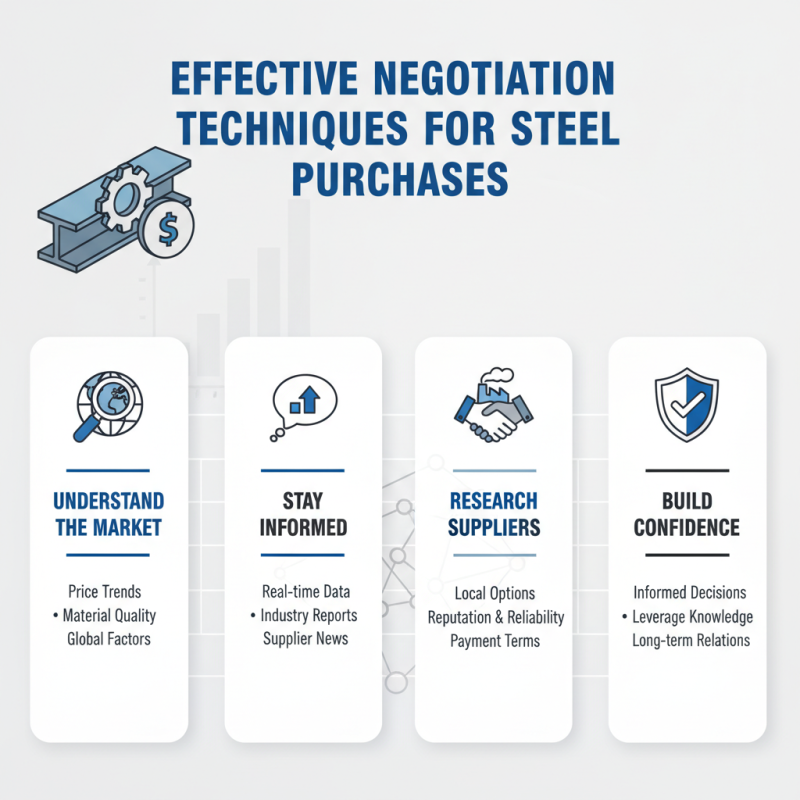
When sourcing steel globally, understanding price fluctuations is crucial. Numerous factors influence steel prices. Supply and demand dynamics play a key role. When demand spikes, prices typically rise. Conversely, excess supply can lead to lower prices. Keeping track of these fluctuations is essential.
Market trends greatly affect pricing. Economic growth in major countries often leads to increased demand for steel. Political instability can disrupt supply chains, causing price surges. Environmental regulations also impact production costs, which are reflected in market prices.
Buyers should stay informed about these factors. Regularly reviewing market reports helps in making timely sourcing decisions. Engaging with industry experts can provide deeper insights. Networking with suppliers might also yield valuable information about upcoming trends and challenges in sourcing steel effectively.
Need Steel Tips for Global Buyers to Source Efficiently? - Key Factors Influencing Steel Prices for Buyers
| Factors |
Description |
Impact on Prices |
| Raw Material Costs |
The cost of iron ore, coal, and other raw materials necessary for steel production. |
High raw material prices can lead to increased steel prices. |
| Energy Prices |
Fluctuations in energy costs, particularly electricity and natural gas, affect production costs. |
Increased energy prices can significantly raise steel production costs. |
| Supply and Demand |
The balance between available steel supply and the market demand for steel. |
High demand with limited supply leads to price increases. |
| Trade Policies |
Tariffs, quotas, and trade agreements can affect the import and export of steel. |
Restrictions may increase costs for importers. |
| Transportation Costs |
Costs related to the logistics of transporting steel products. |
Higher fuel prices can increase transportation costs, thus affecting prices. |
| Global Economic Conditions |
Economic growth or recession affects industrial demand for steel. |
Strong economies usually lead to higher steel prices due to demand. |
Strategies for Identifying Reliable Steel Suppliers
When sourcing steel globally, identifying reliable suppliers is crucial. Start by researching potential partners thoroughly. Check their certifications and industry reputation. Look for online reviews and industry testimonials to gauge their reliability.
Build a list of potential suppliers. Reach out to them and ask for references from existing clients. Engage in discussions about their production processes. This can reveal their commitment to quality. You can better understand their capabilities and reliability through these conversations.
Tip: Always validate the supplier’s production capacity. Some may promise high volumes but fail to meet delivery deadlines. Ensure that the suppliers can fulfill your needs without compromising quality. Conducting factory visits can also provide insights into their operations. Assessing the facility firsthand can help you spot potential red flags.
Best Practices for Quality Assurance in Steel Sourcing
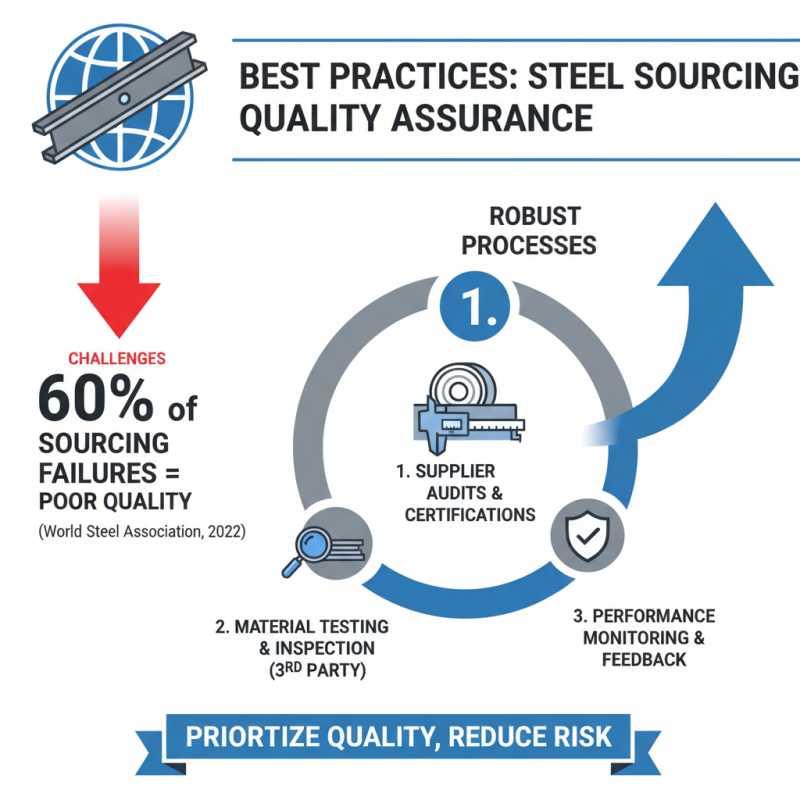
Sourcing steel globally presents challenges, particularly in quality assurance. A 2022 study by the World Steel Association indicated that 60% of sourcing failures are linked to poor quality management. Buyers must prioritize establishing robust quality assurance processes.
Quality assurance begins with selecting reliable suppliers. Conducting factory audits can unveil potential issues. In 2021, the International Organization for Standardization (ISO) reported that companies implementing ISO 9001 saw a 15% reduction in product defects. Regular communication with suppliers can foster transparency and accountability.
Another vital practice is to establish stringent standards. A recent report by McKinsey highlighted that 40% of steel buyers don't set measurable quality benchmarks. This gap can lead to inconsistent product quality. It's essential to have clear specifications. Finally, utilizing technology like AI and blockchain for traceability enhances quality assurance efforts. However, many firms still struggle with integrating these technologies effectively, which can complicate the sourcing process.