How to Source Aluminum Bars at the 139th Canton Fair?
As the 139th Canton Fair approaches, sourcing Aluminum Bars becomes a strategic move for many businesses. This event runs from April 15 to May 5, 2026, featuring thousands of suppliers in various sectors. The aluminum market has been growing steadily, with a projected global demand increase of 3.8% per year. This is largely driven by industries like construction and transportation, where Aluminum Bars are essential.
In 2026, the Fair introduces AI smart search and guidance features. These tools help buyers quickly filter suppliers based on certifications like ISO and CE. This leads to a more efficient sourcing process in a sprawling venue of 1.55 million square meters. Imagine navigating effortlessly through numerous booths, yet it can be overwhelming.
Buyers must remain vigilant in assessing the quality and reliability of Aluminum Bar suppliers. The abundance of options can create challenges. Not all suppliers meet the necessary standards, which can lead to unsatisfactory procurement experiences. Understanding how to leverage the Fair's innovations will be key to successful sourcing.
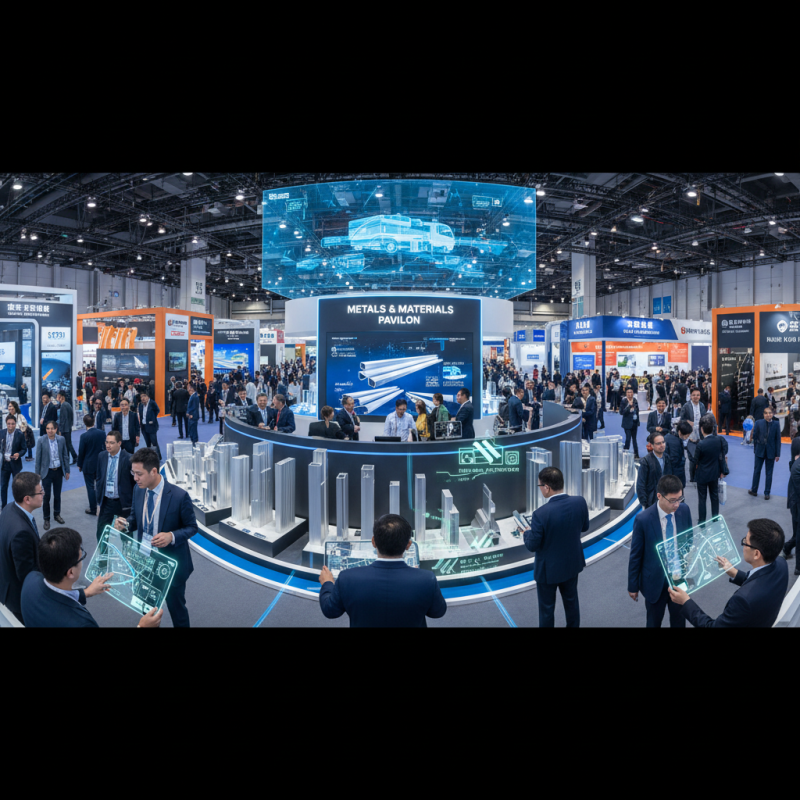
Understanding the 139th Canton Fair: An Overview
The 139th Canton Fair is a key event for businesses sourcing various products. This fair is one of the largest trade shows in China. It offers a unique opportunity to connect with suppliers and manufacturers. The fair attracts exhibitors from all over the world, showcasing their latest products, including aluminum bars. It's essential to understand what to expect.
Visiting the fair can be overwhelming. A plan is crucial for success. Identify specific suppliers beforehand. Set clear goals for your sourcing needs. It’s wise to make a list of priority products. Such preparation can save time and energy.
Tips: Be open to exploring new suppliers. Don't limit yourself to familiar companies. Some hidden gems may surprise you. Remember to ask questions. Clarify details like pricing and minimum order quantities. Engaging in discussions can reveal essential information. Lastly, take notes during your meetings. This will help you reflect and assess your options later.
Key Types of Aluminum Bars Available at the Fair
The 139th Canton Fair showcases a variety of aluminum bars, providing an excellent opportunity for sourcing. Key types of aluminum bars you can expect include extruded, rolled, and cast varieties. According to the International Aluminium Institute, global demand for aluminum bars is projected to grow by 5% annually, driven by industries like construction and automotive.
Extruded aluminum bars are popular for their lightweight and strength. These bars come in various shapes, such as T, L, and U channels. They find applications in structural projects and machinery.
Rolled aluminum bars are commonly used in manufacturing. Their smooth surface and excellent corrosion resistance make them ideal for decorative applications.
Tip: Always inspect the bars for surface defects. Look for inconsistencies in finish and thickness. This could affect your project's integrity.
Cast aluminum bars are also available. They are typically heavier and offer superior durability; however, they're less common at trade fairs. Manufacturers often focus on extruded and rolled products.
Tip: Consider attending workshops during the fair. This can enhance your understanding of the materials available. Networking is beneficial too.
As you navigate the fair, be open to unexpected finds. Sometimes, suppliers present alternative options that may suit your needs better. Be prepared to negotiate and collaborate on specifications and quantities.
Essential Tips for Finding Reliable Suppliers
When attending the 139th Canton Fair, sourcing aluminum bars requires strategic planning. Reliable suppliers are crucial for ensuring quality materials. Industry reports indicate that around 70% of suppliers at trade shows may not meet buyer expectations. This highlights the need for careful vetting.
One effective approach is to look for suppliers with a strong track record. Check their years in business and customer reviews. Many successful businesses have noted that conducting thorough background checks can save time and money. Utilize tools like online databases and ratings to evaluate potential partners.
Additionally, face-to-face interactions at the fair can reveal much about a supplier's commitment. Observe how they present their products. Pay attention to their knowledge and willingness to answer questions. Many attendees often overlook these subtle cues, which can be detrimental. Remember, a good supplier should be transparent about their sourcing and production processes. It's vital to engage with multiple suppliers to compare offerings and avoid potential pitfalls. This proactive approach often leads to more fruitful partnerships.
Navigating the Fair: Booth Locations and Layout
Navigating the 139th Canton Fair can be a complex task. The sheer size of the venue makes it essential to have a clear plan. In 2023, over 25,000 exhibitors are expected, covering various industries including aluminum products. Knowing booth locations can save time and energy. Be sure to download the official app for real-time updates and maps.
Certain halls are dedicated to metal products. Commonly, aluminum bar suppliers are found in Hall 4. Booths are clearly marked; however, they can change year to year. It’s vital to check the latest layout. Expect brands to showcase a range of aluminum bars, from standard sizes to custom specifications. According to industry analysts, demand for aluminum bars has risen by 12% this year.
Tips for a fruitful visit include setting priorities. Identify the suppliers you wish to meet beforehand. Carry a notebook to jot down crucial details. Don't hesitate to ask questions. Some booths may have limited staff, especially during peak hours. Remember, networking is key. Experience has shown that building relationships here often leads to better deals later on.
Aluminum Bars Sourcing Insights at the 139th Canton Fair
Post-Fair Follow-Up: Finalizing Your Purchase and Logistics
After the 139th Canton Fair, it's crucial to follow up on your potential aluminum bar purchases. This phase can define your sourcing success. Many buyers overlook the details of logistics and negotiation. The right approach can lead to significant savings and better partnerships.
Effective communication with suppliers is key. Start by confirming product specifications, including dimensions and quality standards. Many reports indicate that 80% of sourcing issues arise from misunderstandings at this stage. Ensure you clarify shipping terms clearly, as ambiguity can lead to delays. Additionally, consider exploring various freight options. According to industry data, choosing the right logistics provider can reduce costs by 20-30%.
Be prepared for negotiations. Suppliers appreciate adaptability, but never compromise on quality. In a recent study, 65% of buyers reported that they encountered unexpected fees during shipping. Keeping an eye on these details may save you headaches later. Reflect on your previous experiences and adapt your approach as necessary. Now is the time to strengthen relationships while finalizing terms with your suppliers.