How to Select the Best Stainless Steel Wire Rod for Your Project?
Choosing the right stainless steel wire rod can make a significant difference in your project's success. Stainless steel wire rods are utilized in various applications, from construction to manufacturing. They are known for their durability and resistance to corrosion. However, the selection process can be challenging.
Many factors influence your choice. The diameter, grade, and finish are crucial. Different projects demand specific characteristics. For instance, a construction project may require a thicker rod than an artistic installation. It's easy to overlook these details, yet they matter greatly. Selecting the wrong wire rod could lead to failures or unnecessary expenses.
It's essential to research before making a decision. Talk to suppliers and experts. Gather samples to test. Connecting with others in your field can provide insights. A considered choice today can save time and resources in the long run.
Understanding Stainless Steel Wire Rod Grades and Specifications
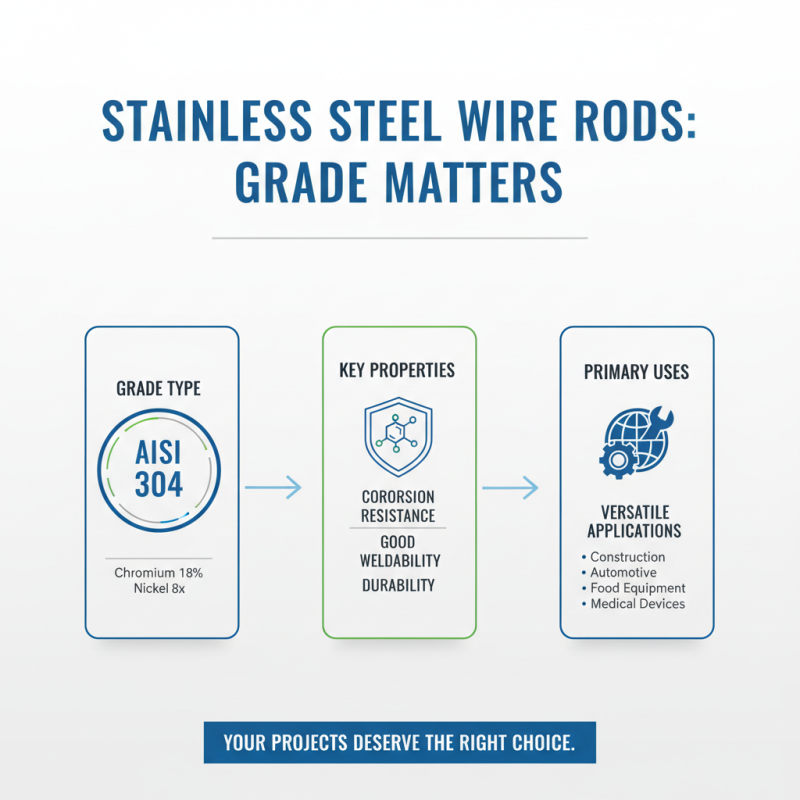
When selecting stainless steel wire rods, it's crucial to understand their grades and specifications. Different grades serve various purposes. For example, AISI 304 is widely used due to its good corrosion resistance and weldability. It comprises about 18% chromium and 8% nickel. This balance contributes to its durability while making it suitable for many applications.
By contrast, AISI 316 offers superior corrosion resistance, especially against chlorides. It contains molybdenum, enhancing its robust nature. According to industry reports, using AISI 316 can extend the lifespan of products exposed to harsh environments. However, it is generally more expensive than AISI 304. Evaluating the cost against performance is essential.
**Tips:** Consider the environment where the wire rod will be used. Is it moist or chemical-laden? More corrosion-resistant grades might be necessary. Double-check specifications to ensure compatibility with existing systems. Always consult updated industry data for the most recent material advancements. Sometimes, what seems economical may pose future risks. Always be wary of hidden costs in material selections.
Key Mechanical and Chemical Properties of Stainless Steel Wire Rod
When selecting stainless steel wire rod, understanding its properties is crucial. Stainless steel wire rods typically exhibit excellent tensile strength. This strength ensures durability in various applications, from construction to automotive components. Additionally, these rods have impressive corrosion resistance. This feature is vital in environments exposed to moisture or chemicals.
The chemical composition also plays a significant role. For instance, higher chromium content enhances corrosion resistance. Nickel further improves ductility and toughness. However, not all projects require the same composition. It is essential to assess environmental conditions and mechanical demands before making a choice. Ignoring these factors can lead to unexpected failures or decreased lifespan.
There's often a misconception that all stainless steel wire rods are the same. Variations in alloying elements can significantly alter performance. Testing small samples before large-scale implementation can save costs. Evaluating mechanical properties like yield strength and elongation is equally important. These aspects influence how the wire will behave under stress. Overall, thoughtful consideration of these properties will lead to better project outcomes.
Factors Affecting the Selection of Stainless Steel Wire Rod for Projects
When selecting stainless steel wire rods, several factors come into play. The grade of stainless steel is crucial; each type has unique properties. For instance, some grades offer better corrosion resistance while others excel in strength. Your project's specific environment highly influences this choice. Humidity, exposure to chemicals, and temperature variations matter.
Diameter is another important consideration. Thicker rods may provide greater strength but can be challenging to work with. Conversely, thinner rods are easier to manipulate but might not support heavy loads. Think about the balance you need for your project. Testing different diameters could yield unexpected results.
Surface finish also affects performance. A polished surface may enhance corrosion resistance while a rough finish could improve adhesion in certain applications. Consider this carefully, as it may not be intuitive. Finally, don’t forget about the cost; high-quality materials can significantly impact your budget. Reflecting on these factors can help guide you to a well-informed decision.
How to Select the Best Stainless Steel Wire Rod for Your Project?
| Criteria |
Description |
Importance (1-5) |
| Wire Diameter |
Influences strength and flexibility in applications. |
5 |
| Corrosion Resistance |
Essential for outdoor or humid environments. |
5 |
| Tensile Strength |
Determines the force needed to pull the wire to its breaking point. |
4 |
| Wire Type |
Different wire types (e.g., AISI 304, 316) have distinct properties. |
5 |
| Finish |
Surface finish can affect aesthetics and corrosion resistance. |
3 |
| Cost |
Budget constraints can dictate material choice. |
4 |
Industry Standards and Certifications for Stainless Steel Wire Rod
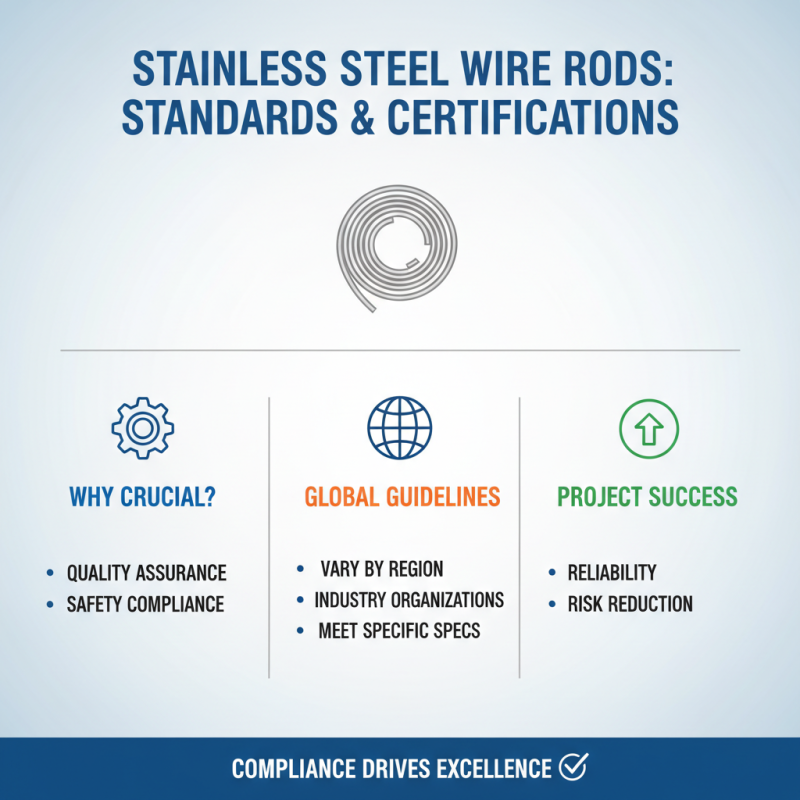
When selecting stainless steel wire rod, industry standards and certifications are crucial. These guidelines ensure that the wire rod meets specific requirements for quality and safety. Various organizations establish these standards, which vary by region. Compliance with these standards can impact your project's success.
Look for certifications like ASTM or ISO. These indicate that the stainless steel wire rod has undergone necessary testing. They help you understand the material's properties. For instance, tensile strength and corrosion resistance are critical factors. Verify if the supplier can provide these certifications upon request.
However, not all suppliers comply with every standard. Some may have limited knowledge of the latest regulations. This can lead to confusion and potential risks. Always ask questions and seek clarification. A lack of information can result in using subpar materials, affecting your project's integrity. Take the time to research and confirm that the wire rod aligns with your project needs.
Comparative Analysis of Cost and Performance of Different Wire Rod Types
Choosing the right stainless steel wire rod can greatly impact your project. A comparative analysis reveals that various wire rod types exhibit distinct cost-performance profiles. For instance, 304 stainless steel offers good corrosion resistance and is widely used. However, it may not be the most cost-effective choice for every application. In contrast, 316 stainless steel, while typically pricier, excels in environments exposed to saltwater.
One report highlighted that 304 wire rod costs around $1.50 per pound, while 316 can reach $3.00 per pound. The performance gain from using 316 is evident in marine applications, but cost must always be weighed. Each project will need a balance between budget constraints and quality requirements.
Tips: Always consult material specifications before making a choice. Sometimes, initial costs can overshadow potential long-term savings. It’s important to analyze the specific demands of your project against the wire rod’s properties. Performance features like tensile strength and resistance to oxidation should influence your decision. Many overlook these factors at the start.
Cost and Performance Analysis of Different Stainless Steel Wire Rod Types