How to Find Reliable Steel Supply Sources for Your Projects
Finding reliable steel supply sources is crucial for the success of any construction or manufacturing project. The quality of steel directly influences the strength, durability, and safety of the final product, which is why establishing a dependable supply chain is paramount. With a wide variety of suppliers available, it can be challenging to determine which sources are trustworthy and meet the specific requirements of your project.
In the pursuit of dependable steel supply, it is essential to evaluate potential suppliers based on their reputation, experience, and product offerings. Factors such as inventory quality, delivery timelines, and customer service play a significant role in identifying a reliable supplier. Additionally, understanding the market landscape, including pricing trends and material specifications, can help you make informed decisions when selecting a steel supply source. This guide will explore key strategies to ensure that you find the right steel supply to enhance your project's success and minimize risks associated with material procurement.
Identifying Key Criteria for Reliable Steel Suppliers
When searching for reliable steel suppliers, it's crucial to identify key criteria that can ensure the quality and consistency of your projects. One vital aspect is the supplier's reputation within the industry. Look for companies that have a proven track record, backed by positive reviews and testimonials from past clients. Engaging with industry forums or trade associations can provide insights into suppliers' reliability and customer service. Additionally, consider their experience level and the range of products they offer, as established suppliers are more likely to meet diverse project needs.
Another important criterion is the supplier's adherence to industry standards and certifications. Reliable suppliers should comply with relevant safety, quality, and environmental standards, ensuring that their steel products meet necessary regulations. Requesting documentation or certifications can provide assurance of their commitment to quality control. Moreover, evaluate their communication and responsiveness; a supplier that is readily accessible and transparent can make collaboration smoother and highlight their reliability. Focusing on these key criteria can lead to a successful partnership with a steel supplier, ultimately benefiting your project's quality and efficiency.
How to Find Reliable Steel Supply Sources for Your Projects - Identifying Key Criteria for Reliable Steel Suppliers
| Criteria |
Description |
Importance Level |
| Experience |
Number of years in the steel supply business and successful track record. |
High |
| Certifications |
Relevant industry certifications that assure quality standards. |
High |
| Customer Reviews |
Feedback from previous clients about their experiences. |
Medium |
| Product Range |
Diversity of steel products offered to meet various project needs. |
Medium |
| Pricing Transparency |
Clarity in pricing structure and absence of hidden costs. |
High |
| Lead Times |
Consistency in meeting delivery schedules and timelines. |
High |
| Technical Support |
Availability of expert advice and support for project-specific needs. |
Medium |
| Sustainability Practices |
Commitment to environmentally sustainable manufacturing and sourcing. |
Low |
Assessing the Reputation and Experience of Steel Supply Companies
When selecting steel supply companies for your projects, assessing their reputation and experience is crucial. A reliable steel supplier should have a proven track record within the industry, which can be gauged through client testimonials, case studies, and independent reviews. According to a report from the World Steel Association, the top-performing companies frequently demonstrate not just high-quality products, but also strong customer service and timely delivery, with 85% of clients citing these factors as crucial to their satisfaction.
Tips: Consider visiting potential suppliers' facilities and engaging in discussions with their past clients to gain firsthand insights into their operations. In addition to qualitative assessments, look for suppliers who comply with industry standards such as ISO certifications, which indicate a commitment to quality and reliability in their processes.
Experience in specialized areas can also set apart seasoned suppliers from less experienced ones. For instance, suppliers who focus on specific sectors—such as construction, automotive, or shipbuilding—are more likely to understand the unique material requirements and standards. According to the American Institute of Steel Construction, companies with over 10 years of experience in the industry can typically offer better pricing, superior logistical capabilities, and a wider variety of product offerings, enhancing your overall project delivery.
Assessment of Steel Supply Companies
Evaluating Quality Standards and Certifications in Steel Supply
When searching for reliable steel supply sources, one of the most critical considerations is the quality standards and certifications that steel suppliers adhere to. The American Society for Testing and Materials (ASTM) provides a comprehensive framework for evaluating the quality of steel products. According to a report by the Steel Manufacturers Association, over 50% of steel imports fail to meet these certification standards, which can significantly impact the integrity of construction projects. Adhering to ASTM specifications ensures that the steel used in your projects is not only durable but also safe and reliable.
In addition to ASTM, look for suppliers that hold certifications such as ISO 9001, which denotes a strong commitment to quality management principles. A study by the World Steel Association highlights that certified suppliers are 30% more likely to deliver products that meet or exceed quality expectations. This is essential for upholding the performance standards required in construction and manufacturing. Additionally, certifications like EN 1090 provide assurance that the steel components are compliant with European regulations, further reassuring project stakeholders.
Tips: When evaluating steel suppliers, always request documentation of their certifications. Moreover, inquire about their compliance processes and how they maintainquality control throughout production. Regular audits and inspections are also a good sign that the supplier is committed to maintaining high standards, which can save you from potential project delays or failures.
Understanding Market Trends and Pricing Stability in Steel Supply
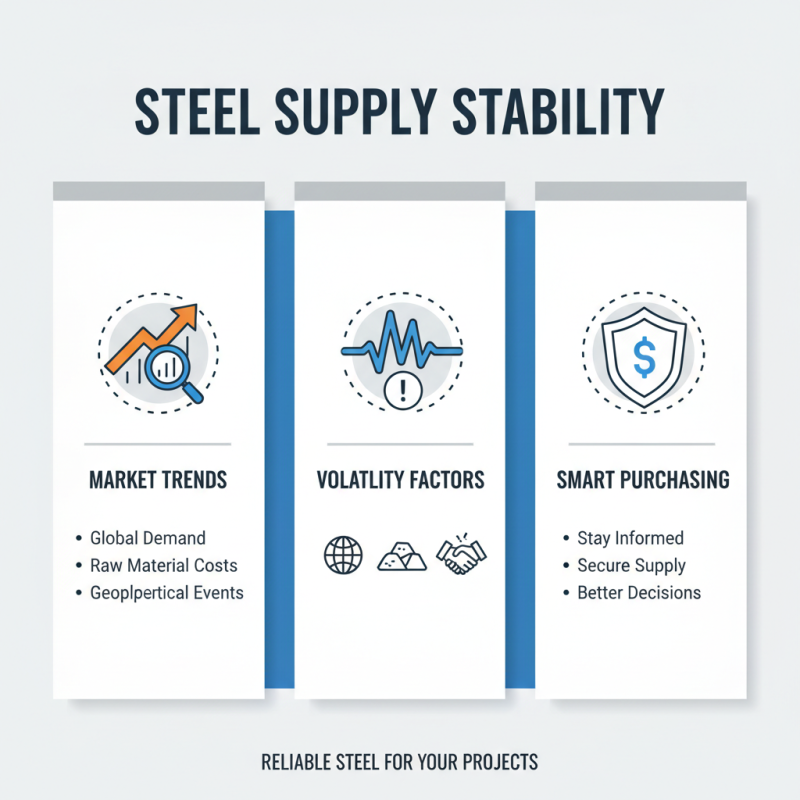
When looking for reliable steel supply sources for your projects, understanding market trends and pricing stability is essential. The steel market can be volatile, influenced by various factors including global demand, raw material costs, and geopolitical events. Staying informed about these trends will enable you to make better purchasing decisions and secure a stable supply for your projects.
To thrive in this dynamic environment, consider regularly reviewing market analyses and reports. These resources can provide insight into pricing forecasts and demand fluctuations, helping you anticipate changes in the market. Additionally, participating in industry forums can also be beneficial. Engaging with other professionals allows you to share experiences and gather insights about reliable suppliers.
**Tips:**
1. Monitor global economic indicators and their impact on steel pricing—this could help predict shifts in supply chain stability.
2. Establish relationships with multiple suppliers to ensure you're not reliant on a single source, which can mitigate risk during price spikes.
3. Consider locking in prices or entering into long-term agreements, as this can protect you against sudden price increases and supply shortages.
Utilizing Industry Networks for Recommendations on Steel Suppliers
When searching for reliable steel supply sources for your projects, leveraging industry networks for recommendations can be immensely beneficial. Engaging with seasoned professionals in your field allows you to tap into their first-hand experiences and insights regarding various suppliers. Networking at industry events, conferences, or through online forums can provide you with valuable leads on suppliers known for quality and service. Additionally, connecting with construction and engineering associations can help you access a broader range of opinions, promoting a more informed selection process.
Moreover, word-of-mouth referrals are a powerful tool in the steel sourcing landscape. By collaborating with peers and industry veterans, you can obtain advice that reflects real-world performance of steel suppliers. Many professionals maintain relationships with trusted suppliers based on past projects, and these connections can lead you to reliable partners. Utilize platforms like LinkedIn to join relevant groups, where you can ask for recommendations and share insights. The collective knowledge within these networks not only enhances your supplier search but also fosters a community of support that can be invaluable throughout your project's lifecycle.