How to Determine if You Need Steel for Your Project?
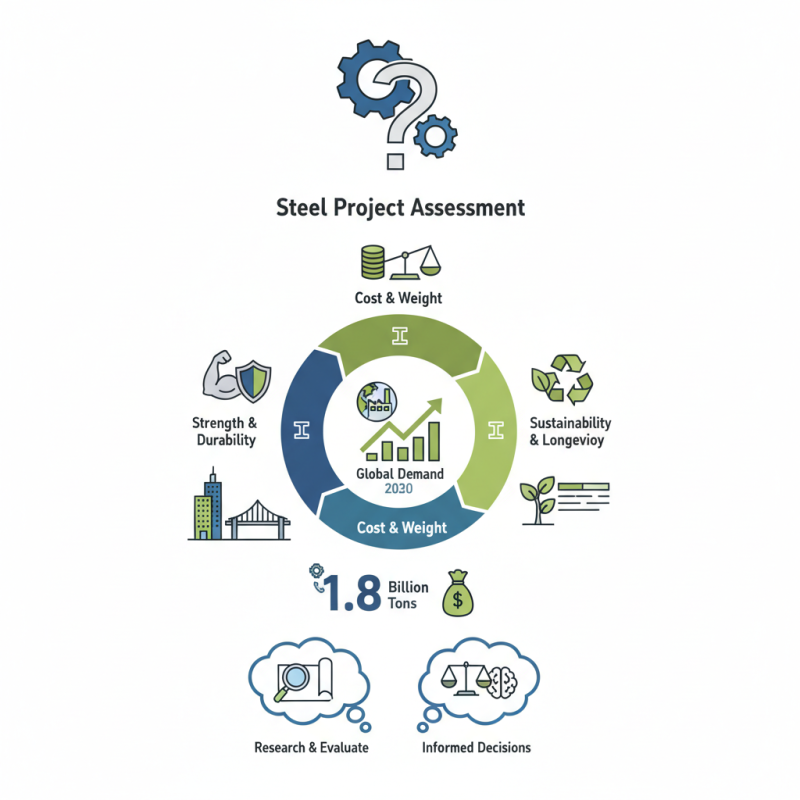
In construction and manufacturing, determining if you need steel is vital. Steel remains a fundamental material. According to the World Steel Association, global steel demand is projected to reach 1.8 billion tons by 2030. This number reflects its crucial role in various industries.
When planning a project, consider the specific requirements. Steel offers strength and durability. However, it can be heavier and more expensive than alternatives. Be aware of the cost implications. The demand for sustainable practices is rising as well.
Research shows that using steel can increase a project's longevity. But we often overlook the environmental impact of extracting raw materials. Balancing cost, strength, and sustainability is essential. Realizing you need steel may also lead to other questions. Evaluate different scenarios and reflect on your choices carefully. Being informed can lead to better decisions.
Assessing the Structural Requirements of Your Project
When assessing the structural requirements of your project, understand the core demands.
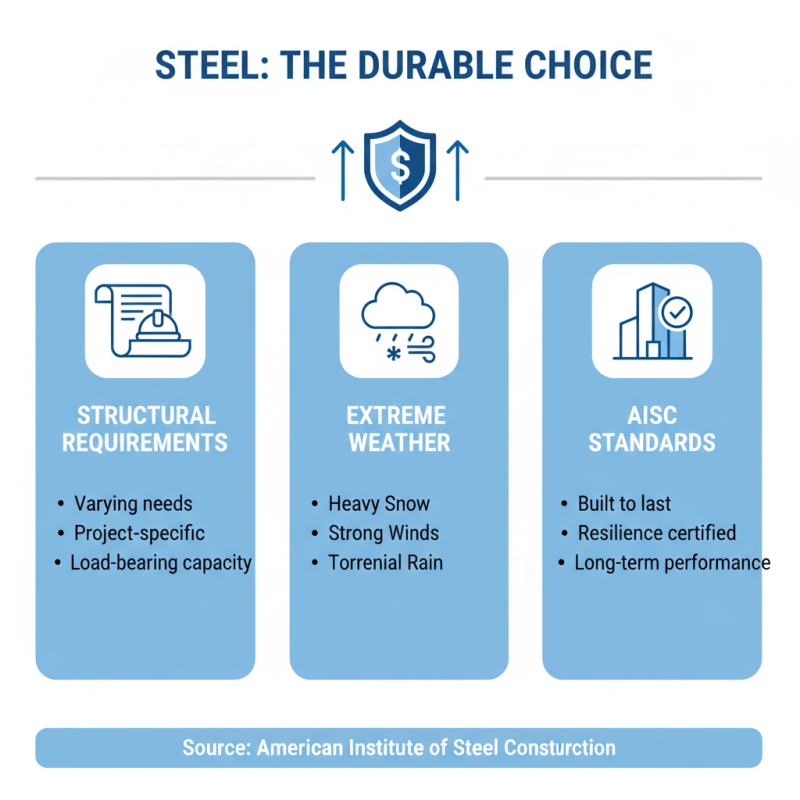
Steel is known for its durability and strength. A report from the American Institute of Steel Construction indicates that steel structures can withstand significant weight and stress. This is crucial for skyscrapers and bridges, where safety is paramount.
Consider the load your project will handle. A detailed analysis will help determine if steel is necessary.
Too often, designers overlook this aspect. In fact, 30% of structural failures occur because of improper load assessments. This should prompt questions.
Will the current materials support all potential stresses? Are we prioritizing aesthetics over functionality?
Another aspect is environmental impact. Steel production can be resource-intensive. A 2022 World Steel report highlighted that the industry contributes approximately 7% of global CO2 emissions.
Reflecting on the lifecycle of materials is essential in today's eco-conscious landscape. Balancing strength with sustainability can guide material choices.
Understanding both the benefits and the limitations of steel will lead to better decision-making for your project.
Identifying the Material Specifications for Durability
When determining if steel is the right material for your project, it's crucial to focus on durability. Different structures have varying requirements, and understanding these specifications can make a significant difference. According to the American Institute of Steel Construction, structures made from steel can withstand extreme weather conditions. This includes heavy snow, rain, and high winds. A clear understanding of the environmental factors your project faces can guide material selection.
Research indicates that steel has a lifespan of over 50 years when properly maintained. Compared to other materials, steel structures exhibit over 80% recyclability, contributing to sustainability. However, the initial cost can be higher with steel. Projects may exceed budgets due to fluctuating steel prices. It’s essential to weigh these aspects carefully.
Moreover, steel's susceptibility to corrosion is a factor to consider. In coastal areas, even the highest-quality steel can deteriorate without adequate protection. Some builders overlook coating and maintenance, leading to potential long-term issues. Regular inspections are vital to ensure structural integrity. Reflect on the conditions your project will face before making material decisions.
Evaluating Cost Effectiveness of Using Steel
When planning a project, evaluating the cost-effectiveness of using steel is crucial. Steel offers durability and strength, making it an attractive option. However, its initial cost can be higher than other materials. Think about the long-term benefits. Steel structures often require less maintenance, which can save money over time.
Tips for evaluating steel use:
- Consider your project's lifespan. Steel is often more durable, but if your project is short-term, other materials might suffice.
- Perform a cost analysis. Factor in both initial costs and potential future expenses.
- Are there local suppliers that can reduce transportation costs?
Also, reflect on the specific application of steel. Is your project exposed to harsh conditions? Steel's resistance to wear can be beneficial. However, using steel in mild environments might not justify its cost. Each project is unique, and sometimes, the best choice is not the most obvious one.
Weigh all options carefully.
Understanding Design Constraints and Load-Bearing Needs
When planning a project, understanding design constraints is crucial. These constraints can limit your material choices. For example, if your design needs to support heavy loads, steel might be necessary. Steel is strong and durable, making it a good option for structural support.
Load-bearing needs vary by project. Consider the weight of furniture, people, and equipment. If you overlook these factors, your structure may fail. A very light material may not suffice. Sometimes, it’s easy to underestimate the load. Even well-documented projects can end up with unexpected challenges.
Additionally, environmental factors should not be ignored. Wind and seismic activity can affect steel's effectiveness. If you're in a high-wind area, steel may provide better stability. Each project demands a unique approach. Reflect on your design and ensure it meets all requirements. The right decision can make all the difference.
How to Determine if You Need Steel for Your Project? - Understanding Design Constraints and Load-Bearing Needs
| Project Type |
Design Constraints |
Load Requirements (lbs) |
Recommended Steel Type |
| Residential Building |
Two stories, moderate climate |
10,000 |
Mild Steel |
| Commercial Building |
High foot traffic, large spans |
50,000 |
Structural Steel |
| Bridge Construction |
Heavy loads, dynamic forces |
100,000 |
High Strength Steel |
| Industrial Facility |
Heavy machinery, high durability |
75,000 |
Alloy Steel |
| Residential Garage |
Single story, light loads |
5,000 |
Light Gauge Steel |
Exploring Alternatives to Steel for Your Project
When considering alternatives to steel for your project, you might explore wood, aluminum, or concrete. Each material has its benefits. However, they also come with downsides. Wood is renewable but can rot. Aluminum is lightweight but may corrode. Concrete is durable yet heavy. Understanding these trade-offs is crucial.
**Tip:** Assess your project's specific needs. For example, if it's a temporary structure, lightweight materials could work best. If durability and long-term use are priorities, consider concrete or advanced composites.
You may also want to look into composite materials. These can combine benefits from different substances. They are often lighter than steel and provide similar strength. However, composites can be more complex and require specialized knowledge.
**Tip:** Explore local suppliers for various materials. This can save costs and time. Remember, every choice impacts your budget and timeline, so weigh them carefully.
Material Comparison for Construction Projects