2026 How to Choose the Right Steel Wire Rod for Your Project?
Choosing the right steel wire rod for your project can significantly impact its success. The steel wire rod is a crucial component in various applications, including construction and manufacturing. Selecting the ideal type involves understanding material specifications, sizes, and finishes.
Different projects demand specific properties. For instance, high tensile strength may be essential for certain applications. At the same time, corrosion resistance might be critical for outdoor projects. It’s vital to assess your project’s unique requirements carefully. Dimensions and a consistent finish can greatly influence performance.
Mistakes can be costly. Using the wrong steel wire rod could lead to project delays or failures. Reflecting on your selection process is important. Consider availability and supplier reputation. An informed choice will not only enhance your project’s durability but also its overall success. Always aim to build with the best materials in mind.
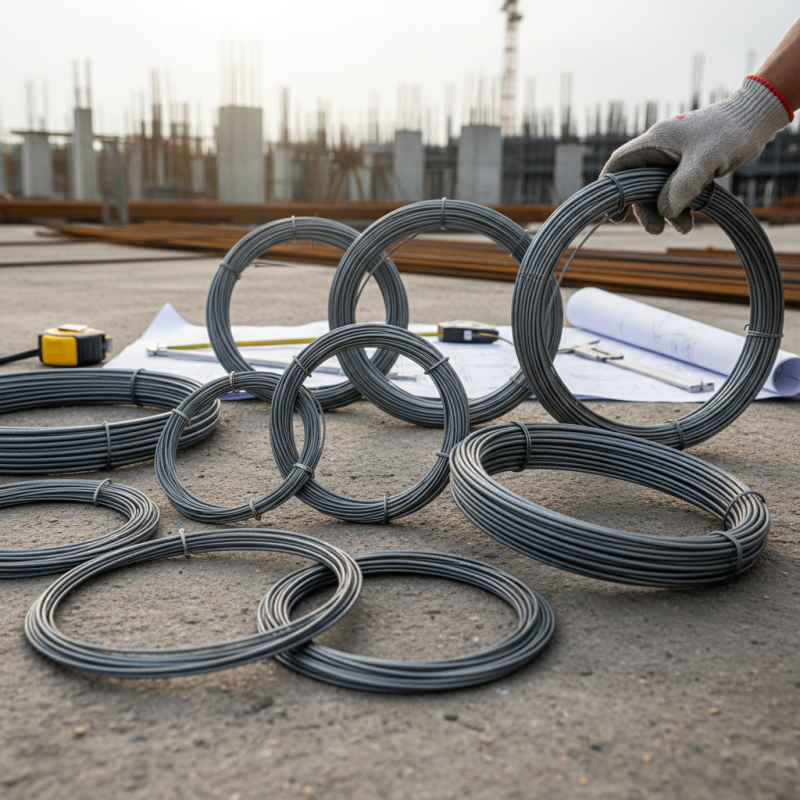
Understanding the Basics of Steel Wire Rods and Their Applications
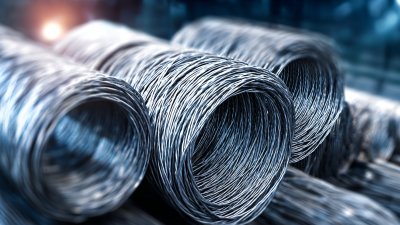
Steel wire rods are essential materials in various industries. They are versatile and serve multiple applications, from construction to manufacturing. Understanding their core properties is crucial when selecting the right type for your project.
Different steel wire rods have unique characteristics. For instance, tensile strength varies significantly among types. Some rods are designed for high-stress contexts, while others may not hold up as well. Choosing the wrong type can lead to structural failures or product inefficiencies. It's important to consider the specific requirements of your project. Are you working in a corrosive environment? Then, corrosion-resistant grades may be necessary.
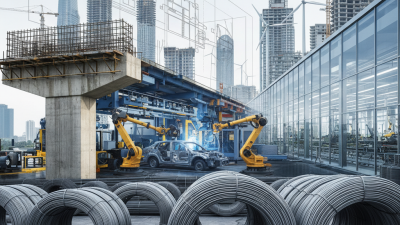
Applications range from automotive to electrical industries. In construction, they reinforce concrete and ensure stability. In manufacturing, they are shaped into tools and components. Each application demands a careful assessment of the rod’s attributes. Ensure you research thoroughly. Make a list of requirements and compare them against available options. Sometimes, less popular choices can provide better performance at a lower cost. Always question your decisions and seek clarity. Reflecting on your options is vital in this complex selection process.
2026 How to Choose the Right Steel Wire Rod for Your Project?
| Dimension |
Type |
Typical Uses |
Mechanical Properties |
| 5.5 mm |
Low Carbon Steel |
Construction and Fencing |
Tensile Strength: 400 MPa |
| 6.0 mm |
Medium Carbon Steel |
Automotive Parts |
Tensile Strength: 600 MPa |
| 8.0 mm |
High Carbon Steel |
Manufacturing Springs |
Tensile Strength: 800 MPa |
| 10.0 mm |
Alloy Steel |
Heavy Machinery |
Tensile Strength: 1000 MPa |
Evaluating Different Grades and Standards of Steel Wire Rods
Choosing the right steel wire rod involves understanding various grades and standards. Each grade has unique properties that affect performance in different applications. For example, high-carbon steel wire rods are commonly used for products requiring enhanced strength. They offer excellent tensile strength but can be less ductile.
On the other hand, low-carbon steel wire rods provide better formability and weldability. These rods are often used in the automotive and construction industries. Evaluating your project’s requirements is essential. Ask yourself: how critical is strength versus flexibility?
Standards like ASTM or ISO provide guidelines for quality and performance. These standards ensure consistency in production. However, not all products meet these standards accurately. Sometimes, manufacturers may cut corners. Always verify compliance with industry standards to avoid potential issues. Consider sample testing to gauge the material’s suitability before making large purchases.
Assessing Mechanical Properties for Optimal Performance in Projects
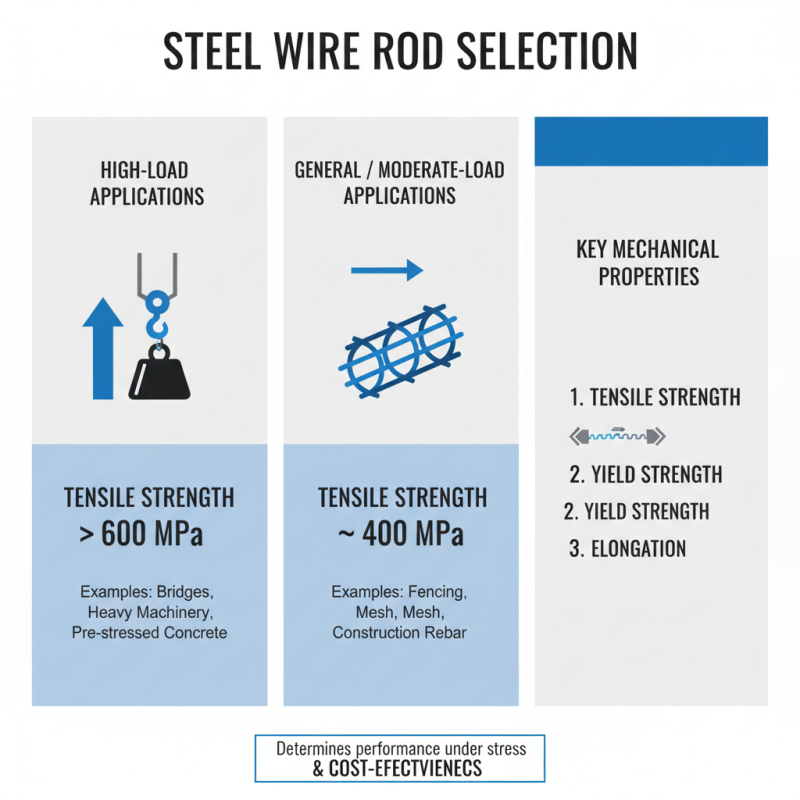
When selecting steel wire rods for a project, the mechanical properties play a crucial role. Properties such as tensile strength and yield strength determine how a wire will perform under stress. For example, reports indicate that wire rods with a tensile strength exceeding 600 MPa are ideal for high-load applications. These figures show the capacity of the wire to endure significant force without failing. Yet, not all projects require such high strength. Sometimes, a more moderate tensile strength of around 400 MPa might suffice, allowing for cost savings.
Another important factor is ductility. A wire rod with at least 10% elongation can absorb impacts better, making it suitable for dynamic applications. However, focusing too much on one property can lead to imbalances. For instance, increasing tensile strength can often reduce ductility. Balancing these properties is key. It requires a careful analysis, as overlooking one aspect might lead to structural failures. Additionally, factors like environmental conditions should not be ignored. Corrosion resistance and fatigue life must also be considered for long-term projects.
Ultimately, each project has unique requirements. Diligent assessment of mechanical properties is essential. Engineers should consider both the load requirements and environmental factors to select the most suitable wire. Failing to do so might result in increased costs and project delays. Specific data should guide these decisions, as they directly impact performance and safety.
Considering Environmental Factors and Corrosion Resistance in Selection
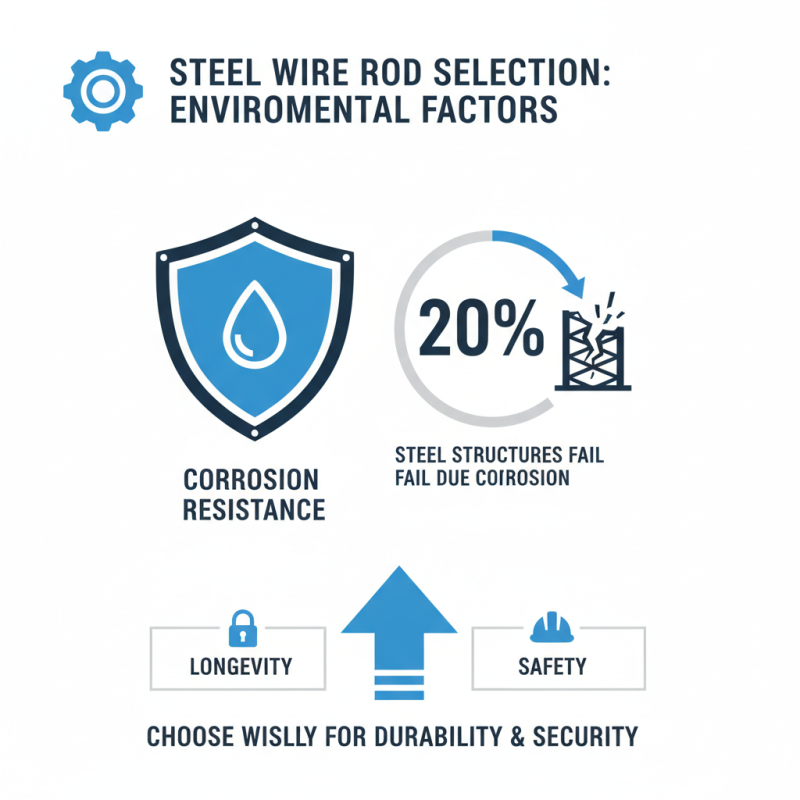
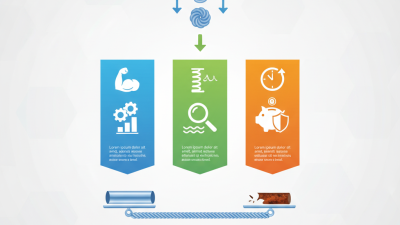
When selecting the right steel wire rod, environmental factors play a crucial role. Corrosion resistance is a major consideration. According to industry reports, about 20% of steel structures fail due to corrosion-related issues. This makes choosing the correct wire rod essential for longevity and safety.
Examining materials, stainless steel often outperforms carbon steel in resisting corrosion. A study showed that stainless wire rods could last over 30 years in highly corrosive environments. However, they are generally more expensive. If cost is a major factor, carbon steel may be more accessible, but it needs protective coatings to enhance durability.
Proper surface treatment can mitigate corrosion risks. For example, galvanized steel rods are coated in zinc to prevent rust. Yet, this process adds additional steps and costs. Selecting an appropriate material requires careful consideration. Be mindful of your project's specific environment, as not all treatments work well in every setting. Understanding these aspects may lead to better decision-making and project outcomes.
Determining the Right Diameter and Coiling Specifications for Your Needs
Choosing the right steel wire rod for your project requires careful consideration of diameter and coiling specifications. Diameter plays a critical role in the performance of the wire rod. Common choices range from 5 mm to 25 mm. Thinner rods offer flexibility, while thicker ones provide strength. Think about your project needs. Do you need a sturdy wire for construction, or a flexible one for crafting?
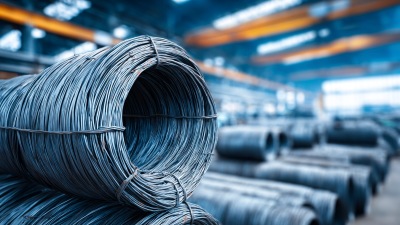
Coiling specifications also matter. A properly coiled rod ensures easy handling and storage. Loose coils can lead to kinks and damage. Tight coils might make it difficult to unwind the wire smoothly. There’s often a trade-off. You might prefer a compact coil for storage, but this can affect usability.
It’s essential to reflect on the specifics of your application. Test how your chosen diameter interacts with other materials. Adjust the coiling method based on how often you'll need to use the wire. Sometimes, the best choice isn't immediately clear. Taking a moment to evaluate these details can lead to a more satisfactory outcome in your project.