How to Choose the Right Bar Steel for Your Project?
Choosing the right bar steel for your project is crucial. With the global demand for steel projected to reach 1.7 billion metric tons by 2025, selecting the right materials becomes more important than ever. A study by Smith Steel Solutions indicated that improper material choice can increase project costs by up to 30%.
Industry expert John Anderson emphasizes, "Understanding the specific requirements of your project can lead to better choices in bar steel." His insights highlight the significance of matching steel grades to project needs. Factors like tensile strength, yield strength, and corrosion resistance should be thoroughly evaluated.
Many projects falter due to a lack of knowledge about bar steel specifications. Missteps in selection can lead to structural failures or project delays. Therefore, gaining a solid understanding of bar steel and its applications is essential for project success. Making informed choices will not only enhance project durability but may also save costs in the long run.
Understanding the Basics of Bar Steel: Types and Specifications
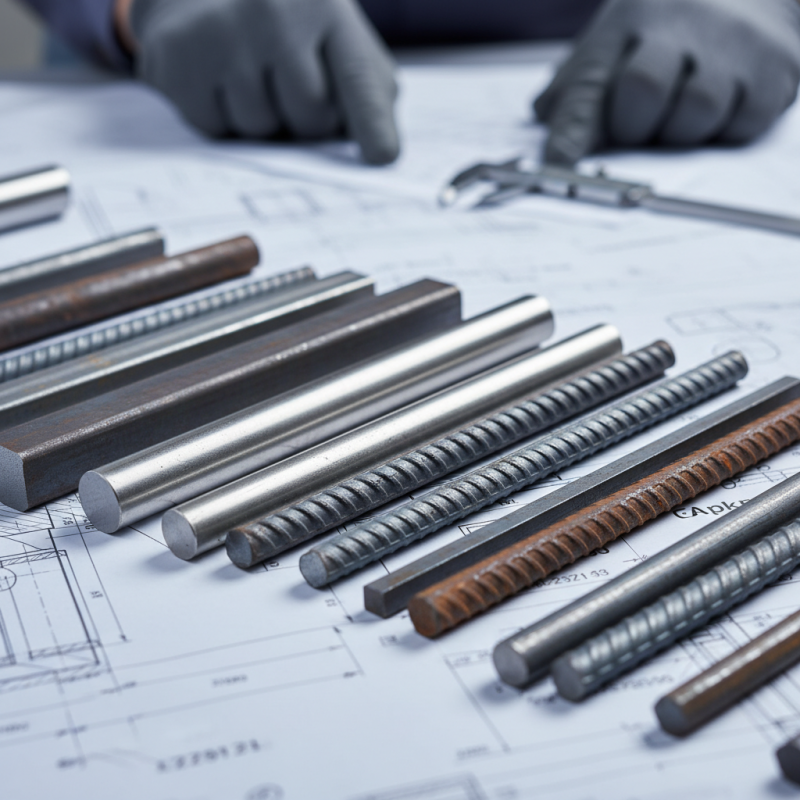
When selecting bar steel for a project, understanding the types and specifications is crucial. Bar steel is categorized into various shapes and grades. Common types include round, square, and flat bars. Each has unique applications. For instance, round bars are often used in construction. Flat bars are popular for brackets and supports.
Specifications also play a big role. They denote the steel's mechanical properties, such as yield strength and tensile strength. This information helps ensure the selected steel can withstand the required load. Additionally, one must consider the steel's finish, whether it's hot-rolled or cold-rolled. This feature impacts its surface quality and corrosion resistance.
Choosing the right bar steel can be daunting. There are many variables to weigh. It’s critical to consult with professionals or resources for further advice. Ensure your decision aligns with the project's requirements. A wrong choice can lead to structural failures or safety risks. Reflect on the intended use and environment of the steel to make an informed decision.
Factors to Consider When Selecting Bar Steel for Structural Applications
Selecting the right bar steel for structural applications
involves several important factors. First, consider the type of steel. Different grades offer
various strength levels, ductility, and corrosion resistance. For instance, mild steel
is easier to work with, while high-strength steel can bear heavier loads. Understanding
these properties ensures you choose the appropriate grade for your needs.
Next, think about the environmental conditions. Will the steel be exposed to moisture, chemicals,
or extreme temperatures? If so, corrosion-resistant options, like stainless steel, may be
necessary to enhance longevity. It’s crucial to factor in these conditions to avoid future structural failures.
Lastly, keep in mind the processing methods required for your project. Welding
and cutting can impact the choice of bar steel. Certain steels may not weld well, leading
to weak joints. Always evaluate the required methods and allow for adjustments during planning. Reflecting on these aspects can reveal
unforeseen challenges, making your project more robust in the end.
Key Mechanical Properties: Strength, Ductility, and Hardness of Bar Steel
When selecting bar steel for your project, understanding its mechanical properties is crucial. Strength refers to the steel's ability to withstand loads without deforming. Ductility allows the material to stretch under tension without breaking. Hardness measures the material's resistance to deformation. Each of these properties can significantly impact your project's performance.
In practical terms, a high-strength steel may be necessary for load-bearing applications. A report from the Steel Construction Institute shows yield strengths can reach up to 700 MPa for structural steels. However, excessive hardness can compromise ductility. This balance is vital. Projects demanding flexibility might benefit more from lower hardness levels.
**Tips:** Always consider the environment. If your project faces extreme temperatures, consult data regarding thermal expansion properties. Also, check the welding compatibility of the bar steel. Choose a material that not only meets strength criteria but also enhances durability and processing ease.
Some steel grades are prone to cracking during fabrication. This potential issue requires careful selection. Don't overlook the importance of testing. Conduct material tests when possible, as even minor variations can lead to significant performance differences.
Comparison of Key Mechanical Properties of Different Bar Steels
Industry Standards and Quality Certifications for Bar Steel Selection
When selecting bar steel, industry standards and quality certifications play a crucial role. Many projects require materials that adhere to specific standards, such as ASTM and ISO certifications. These standards ensure that the steel maintains proper mechanical properties, chemical composition, and performance under various conditions. For example, ASTM A36 steel is popular for its versatility and reliability. It often finds applications in construction and manufacturing due to its weldability and strength.
Quality certifications are essential indicators of a supplier's commitment to excellence. Look for certifications like ISO 9001, which signifies a quality management system. Certified suppliers are more likely to provide consistent products that align with your project's specifications. According to industry reports, materials from certified suppliers show a lower failure rate—up to 30% less—compared to non-certified alternatives.
Tips: Always ask for test reports when sourcing bar steel. This documentation provides insights into the steel's properties and its compliance with standards. Additionally, consider the application of the steel. Not all grades are suitable for every project. Balancing cost and quality can be challenging; therefore, prioritize reliability to enhance safety and performance in your applications.
Cost Considerations: Budgeting for Bar Steel in Construction Projects
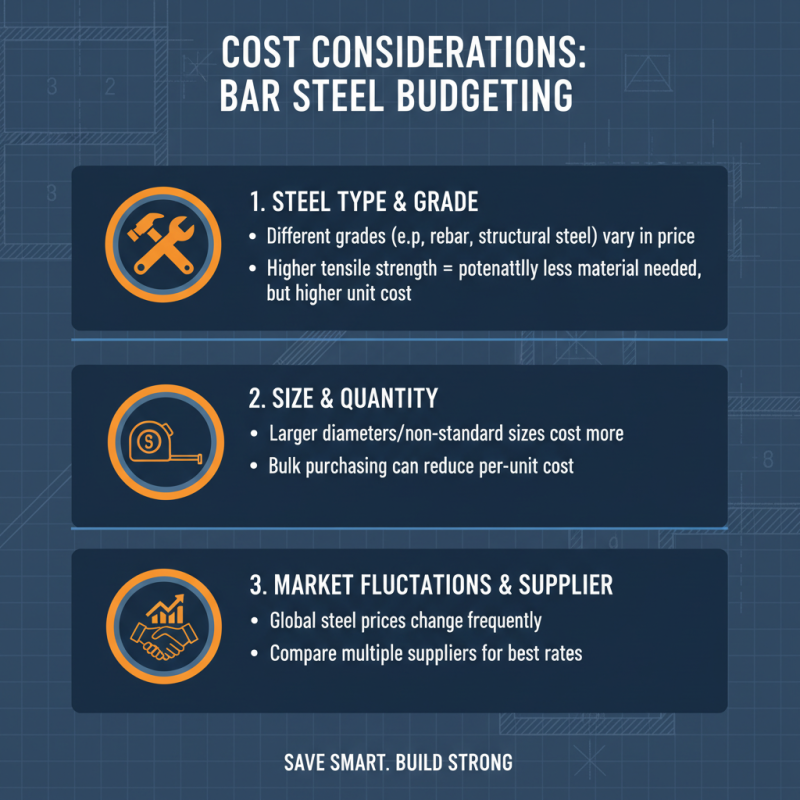
When budgeting for bar steel in construction projects, it's essential to assess various cost factors. The type of steel you choose can significantly affect the overall expense. Different grades and sizes come at varying price points. For instance, higher tensile strength steel may be more costly but reduce the amount needed for your project.
In addition to material costs, consider transportation and installation fees. These can add up quickly, especially for large orders. It's advisable to obtain multiple quotes. Sometimes, lower prices may indicate lower quality. Evaluating durability versus cost is crucial. A seemingly cheap option might lead to increased expenses down the line due to repairs or replacements.
Project managers often overlook waste. Calculating potential scrap can help refine budgets. Factor in storage costs as well. Delays in usage can lead to additional fees. Overall, a thorough understanding of these elements can lead to better financial planning and project success.