China Top Hot Rolled Steel Manufacturers for Global Buyers

China has become a major source of hot rolled steel for international construction, machinery, energy, and infrastructure projects. Its mills serve buyers across Asia, Europe, Africa, the Middle East, and the Americas. However, choosing a reliable manufacturer requires more than comparing quoted prices. Product consistency matters.

This guide introduces leading Chinese hot rolled steel manufacturers and explains what global buyers should examine before placing an order. Important details include steel grade, thickness tolerance, coil weight, surface condition, production capacity, and export experience. A serious supplier should provide mill test certificates, traceable heat numbers, inspection records, and clear delivery terms. These documents help buyers verify whether the material matches project specifications and applicable standards.

Real purchasing experience also reveals practical concerns. A low price may hide longer lead times, unclear testing arrangements, or costly port handling. Samples can look acceptable while larger batches vary. That risk deserves attention. Buyers should request recent production evidence, confirm third-party inspection options, and discuss packaging for humid sea routes. Communication quality is another useful signal. Delayed answers often create larger problems later.

No manufacturer is perfect. Even established mills may face raw material changes, maintenance delays, or export disruptions. Therefore, this overview does not treat rankings as permanent conclusions. It focuses on measurable capabilities, documented performance, and transparent cooperation. With careful verification, global buyers can identify suitable Chinese partners and build more dependable steel supply chains.
China Top Hot Rolled Steel Manufacturers for Global Buyers

What Is Hot Rolled Steel and Why Does It Matter?

China Top Hot Rolled Steel Manufacturers for Global Buyers

What Is Hot Rolled Steel and Why Does It Matter?

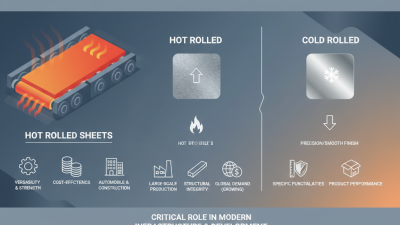
Hot rolled steel is produced by passing heated slabs through large rollers. The steel usually reaches temperatures above its recrystallization point. This process shapes thick plates, coils, beams, and structural sections efficiently.

Its surface often carries dark mill scale. Edges may feel less precise than cold rolled products. That is normal. Hot rolling can create wider dimensional tolerances, but it offers strong mechanical performance and competitive production costs. These qualities make it useful for bridges, machinery frames, storage tanks, rail components, and construction projects.

For global buyers, the manufacturing process matters as much as the price. A reliable Chinese supplier should provide heat numbers, chemical composition, mechanical test results, and clear dimensional records. Buyers should also check thickness variation, coil weight, surface defects, and packing before shipment. Independent inspection can reduce surprises at the port or fabrication site.

Hot rolled steel is not suitable for every visible application. Its rougher surface may require pickling, painting, or additional machining. Weldability also depends on grade and carbon content. A low quotation can hide extra processing costs. This is where careful specification matters. Buyers sometimes focus too heavily on tensile strength and overlook flatness, edge condition, or delivery consistency. That mistake is easy to make, and expensive to correct.

China’s Hot Rolled Steel Manufacturing Landscape

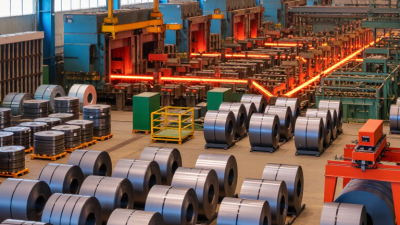
China’s hot rolled steel manufacturing landscape combines large integrated mills with specialized regional producers. Facilities commonly process slabs through reheating furnaces, roughing stands, and finishing mills. The result is plate, coil, and sheet for construction, machinery, transport equipment, and energy projects.

Production quality depends on more than furnace capacity. Buyers should review chemical composition, yield strength, tensile strength, thickness tolerance, and surface condition. Mill certificates must match independent test results when project risk is high. Traceability matters. Heat numbers should remain visible from production to shipment. Experienced suppliers also explain rolling temperatures, descaling methods, and cooling controls instead of offering only a price.

Regional logistics shape purchasing decisions. Coastal plants may provide efficient container or bulk shipping, while inland facilities can offer strong access to domestic raw materials. Yet distance can complicate delivery schedules during peak seasons. A practical sourcing plan checks port handling, packaging, moisture protection, and loading photographs. Small details matter.

Not every low-cost offer is efficient. A thinner coil can create fabrication losses, extra leveling work, or rejected sections. This is often overlooked. Buyers should compare total usable cost, not only the quoted tonnage price. Technical discussions can also expose weaknesses; unclear tolerances or incomplete inspection records deserve further questions. Standards are important, but interpretation still varies between projects. Clear specifications prevent avoidable disputes.

Key Products and Grades Offered by Chinese Manufacturers

China’s hot rolled steel range covers coils, heavy plates, slit strips, and checkered sheets. The World Steel Association reported about 1.005 billion tonnes of Chinese crude steel production in 2024. This scale supports broad grade availability, but capacity alone does not guarantee consistent quality.

Q235B suits general structures, brackets, and fabricated frames. Its nominal yield strength starts near 235 MPa in thin sections. Q355B offers higher strength, with a nominal starting yield near 355 MPa. Buyers often select it for bridges, machinery bases, and load-bearing components. Common international options include S235JR, S355JR, and ASTM A36, subject to confirmed testing and delivery standards. Pickled and oiled coil provides a cleaner surface than untreated coil. Heavy plate is better for cutting, welding, and large assemblies.

Specifications can look clear. They are not always enough. The OECD’s steel market assessments continue to highlight global overcapacity and uneven demand, making supplier verification important. Ask for heat numbers, chemical composition, tensile results, impact values, and dimensional tolerances. Certificates should match the actual coil or plate, not merely the purchase order. Independent inspection can check thickness at several points, surface defects, flatness, and marking. In practice, Q355B may perform differently after poor welding or uncontrolled cooling. That detail is easy to miss. Some product pages also simplify grade comparisons too much; buyers should verify the applicable GB, EN, or ASTM standard before approving shipment.

China Top Hot Rolled Steel Manufacturers for Global Buyers: Key Products and Grades Offered

The chart compares the specified minimum yield strength of widely traded hot rolled structural steel grades commonly supplied to international buyers. Actual values may vary by product thickness, applicable standard, and mill certificate.

How to Evaluate Chinese Suppliers for Global Purchasing

China Top Hot Rolled Steel Manufacturers for Global Buyers

How to Evaluate Chinese Suppliers for Global Purchasing

A reliable supplier should prove more than a competitive quotation. Request its business license, production scope, export history, and recent customer references. Check whether the listed factory matches the actual production site. During a video audit, ask to see the reheating furnace, rolling line, cooling beds, and finished coil storage.

Technical evidence matters. Review mill test certificates for chemical composition, yield strength, tensile strength, and dimensional tolerance. Compare these figures with your purchase specification, not only the supplier’s brochure. Ask how samples are collected and tested. Independent laboratory verification can reveal differences that paperwork hides. It costs more, but one failed shipment costs more.

I also examine packing details. Coils should have clear markings, stable strapping, edge protection, and moisture control for ocean transport. Confirm loading photographs, container numbers, and inspection records before shipment. Payment terms deserve equal attention; avoid rushing into large deposits without staged verification. Communication quality is another practical test. Can the sales and technical teams answer the same question consistently?

No evaluation is perfect. I have seen polished documents support weak production control. A factory visit may also show only selected areas. Keep written records, use an independent inspector, and leave room for corrective action. Small trial orders are safer than ambitious first contracts. Be careful with assumptions.

China Top Hot Rolled Steel Manufacturers for Global Buyers - How to Evaluate Chinese Suppliers for Global Purchasing

Evaluation Dimension What Global Buyers Should Verify Relevant Standard, Document, or Benchmark Recommended Verification Evidence Procurement Risk if Not Verified Suggested Weight
Product Grade and Specification Confirm the steel grade, chemical composition, yield strength, tensile strength, elongation, thickness, width, surface condition, and delivery condition. ASTM A36 ASTM A572 EN 10025-2 GB/T 700 GB/T 1591 Approved technical specification, signed material order, product data sheet, and sample mill test certificate. Incorrect mechanical performance, application failure, or customs and project approval issues. 15%
Mill Test Certificate Quality The certificate should identify heat number, coil or plate number, dimensions, chemical analysis, mechanical test results, and applicable standard. EN 10204 3.1 Heat Traceability Chemical Analysis Issued MTC, heat-number traceability, laboratory test records, and consistency between certificate, packing list, and cargo markings. Unverifiable material origin, rejected cargo, or difficulty proving compliance to the end customer. 12%
Dimensional Accuracy Check thickness tolerance, width tolerance, length tolerance for cut-to-length plate, coil weight, camber, flatness, and edge condition. ASTM A6/A6M EN 10029 GB/T 709 Inspection report using calibrated gauges, approved dimensional tolerance sheet, and pre-shipment photographs. Fabrication losses, additional cutting costs, assembly problems, and claims for out-of-tolerance material. 12%
Surface and Internal Quality Define acceptable levels for scale, rust, scratches, roll marks, edge cracks, laminations, inclusions, and other discontinuities. EN 10163 ASTM A578/A578M Visual Inspection Ultrasonic Testing Approved inspection criteria, photographs of representative material, third-party inspection report, and ultrasonic test results where required. Rework, coating failure, welding defects, premature corrosion, or rejection during fabrication. 12%
Production Capability Evaluate whether the facility can consistently produce the required grade, thickness range, width range, coil or plate format, and monthly quantity. Declared Capacity Rolling Range Production Schedule Current production-range statement, anonymized production records, equipment list, plant audit, and confirmed production slot. Subcontracting without approval, inconsistent quality, late shipment, or inability to repeat the order. 10%
Quality Management System Confirm documented procedures for incoming materials, process control, laboratory testing, nonconforming products, corrective action, and final release. ISO 9001 Process Control CAPA Valid certification from an accredited body, quality manual excerpts, internal audit records, and corrective-action examples. Repeated defects, weak complaint handling, and limited ability to identify the source of nonconformity. 10%
Inspection and Testing Agree on testing frequency, sampling method, laboratory responsibility, witness points, hold points, and acceptance criteria before production. Pre-Shipment Inspection Third-Party Inspection Calibration Control Inspection and test plan, calibrated equipment certificates, laboratory qualification records, and signed release report. Defects may only be discovered after arrival, increasing replacement, freight, and project-delay costs. 10%
Traceability and Marking Each coil, bundle, or plate should be linked to its heat number, grade, dimensions, quantity, and inspection documentation. Heat Number Bundle Marking Barcode or Label Sample labels, packing-list format, traceability map, and photographs showing permanent or weather-resistant markings. Mixed grades, loss of certificate validity, and difficulty isolating affected material during a claim. 8%
Export and Documentation Capability Assess the supplier’s ability to prepare commercial invoices, packing lists, certificates of origin, MTCs, inspection documents, and shipping instructions accurately. Commercial Invoice Packing List Certificate of Origin Bill of Lading Redacted sample export documents, document checklist, designated export contact, and document-review procedure. Customs delays, incorrect import declarations, demurrage, or inability to claim preferential treatment where applicable. 7%
Packaging and Marine Protection Confirm packing method for coils or plates, rust-prevention requirements, lifting points, bundle weight, edge protection, and container or breakbulk suitability. Seaworthy Packing Moisture Protection Lifting Safety Approved packing drawing, loading photographs, moisture-protection specification, and maximum bundle-weight confirmation. Transit corrosion, shifting cargo, damaged edges, unsafe unloading, or additional port handling charges. 6%
Commercial Terms and Total Cost Compare material price together with inland transport, port charges, inspection, packaging, insurance, duties, financing, and potential claim costs. FOB CFR CIF Incoterms 2020 Itemized quotation, validity period, payment terms, surcharge formula, freight assumptions, and written statement of included services. An apparently low offer may become more expensive after logistics, inspection, duties, or quality-related costs. 5%
Lead Time and Supply Reliability Evaluate raw-material availability, production lead time, port schedule, booking flexibility, holiday impact, and the supplier’s communication process. Production Lead Time ETD/ETA Schedule Buffer Written manufacturing schedule, historical on-time shipment records, escalation contacts, and agreed delay-notification procedure. Missed construction milestones, production stoppages, storage charges, and contractual delay penalties. 5%
Payment and Contract Protection Use a clear contract covering specifications, inspection rights, tolerances, delivery terms, claims period, replacement obligations, and dispute resolution. T/T L/C Inspection Clause Claims Procedure Draft sales contract, pro forma invoice, bank-account verification, independent inspection clause, and documented claim process. Limited recovery options, payment fraud exposure, unclear responsibility, or prolonged dispute settlement. 3%

Export Standards, Quality Control, and Buyer Considerations

China Top Hot Rolled Steel Manufacturers for Global Buyers

Export Standards, Quality Control, and Buyer Considerations

Reliable hot rolled steel purchasing begins with clear export requirements. Buyers should confirm the required standard, steel grade, thickness tolerance, coil weight, and surface condition. Common specifications may follow GB, ASTM, or EN requirements, depending on the destination market. Each shipment should include a mill test certificate, packing list, invoice, and traceable batch information. A certificate alone is not proof of consistent quality. Independent inspection remains useful for high-value orders.

Quality control should cover chemical composition, tensile strength, yield strength, bending performance, dimensions, and surface defects. Inspectors can check coil width with calibrated tools and examine edges for cracking or heavy burrs. Proper export packaging also matters. Waterproof paper, steel straps, and reinforced skids help reduce moisture damage during ocean transport. Small details often become expensive problems.

Tips: Request a sample report before ordering. Define acceptance limits in the contract. Ask how rejected coils are handled. Confirm production lead time, port charges, Incoterms, and payment protection. Do not select solely by price. A lower quote may hide weaker packaging, slower documentation, or inconsistent thickness. Buyers should also review inspection photos and keep a written record of every agreed specification. Some assumptions still fail in practice, especially when “standard quality” is not clearly defined.