2026 Top Steel Supply Trends You Need to Know?
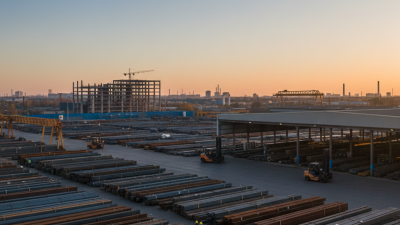
The steel supply industry is on the brink of transformation. As we approach 2026, several trends promise to reshape how steel is produced and distributed. Companies are increasingly focused on sustainability. They strive to reduce carbon footprints in production. This shift requires new technologies and methods.
Emerging markets play a crucial role. They offer both challenges and opportunities for steel supply chains. Governments are investing in infrastructure. When economies grow, demand for steel rises. However, global fluctuations complicate this. Prices can swing dramatically, leaving suppliers in a precarious position.
In this evolving landscape, adaptability is key. Companies must embrace innovation and rethink traditional practices. The future of steel supply may depend on flexibility and resilience. As they navigate these changes, firms face both potential rewards and significant hurdles. It’s a complex time for steel.
Key Innovations in Steel Manufacturing for 2026
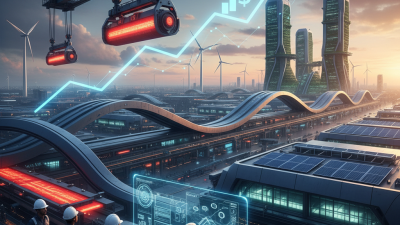
The steel manufacturing industry is evolving rapidly, driven by innovative technologies. 2026 will see significant changes in processes and materials. Automation plays a crucial role in enhancing efficiency. Machines are becoming smarter, but they also raise concerns about job displacement.
Another key innovation is the use of sustainable materials. Companies are experimenting with alternative raw materials. These efforts aim to reduce carbon footprints. Recycling steel, for example, cuts down on waste. It also conserves energy resources. Yet, challenges remain in sourcing and processing recycled materials effectively.
Digitalization is reshaping the industry landscape. Data analytics and IoT devices are optimizing operations daily. However, many companies struggle to integrate these technologies fully. Cybersecurity threats loom as systems become more interconnected. It’s an ongoing balancing act between innovation and security in steel manufacturing.
Sustainability Practices Impacting Steel Supply Chains
The steel industry faces significant challenges linked to sustainability practices. Recently, a report highlighted that up to 30% of steel production impacts greenhouse gas emissions. This alarming figure stresses the need for urgent change. Steel manufacturers are now exploring eco-friendly methods, such as electric arc furnaces. These can reduce emissions by nearly 50% compared to traditional blast furnaces.
Supply chains are adapting rapidly. Data indicates that 80% of steel producers actively pursue sustainable sourcing practices. This includes using recycled materials. Yet, only a small fraction engage in fully circular supply models. Many companies struggle with integrating sustainability into every aspect of their supply chain. They need clearer guidelines and more robust frameworks.
Although progress is notable, challenges remain. Some reports suggest that 40% of manufacturers still prioritize cost over sustainability. Balancing economic viability with ecological responsibility is complex. Industry stakeholders must reflect on these contradictions. The transition to a sustainable steel supply chain requires commitment and transparency.
2026 Top Steel Supply Trends You Need to Know
Emerging Technologies Shaping the Future of Steel Production
Emerging technologies are transforming steel production. Innovations like automation and AI-driven processes are on the rise. A report by the World Steel Association noted that digital technologies could boost efficiency by up to 25%. This shift allows manufacturers to optimize resources and reduce waste. Using advanced data analytics helps in predictive maintenance. It minimizes downtime and enhances overall productivity.
Tip: Consider adopting AI tools to track steel production metrics. They can provide insights into your operations. This can lead to better decision-making. However, implementing these technologies is not without challenges. Many companies face resistance to change. Training staff to adapt to new systems is essential.
The use of hydrogen as a reducing agent in steelmaking is gaining traction. This method can significantly cut carbon emissions compared to traditional methods. According to the International Energy Agency, switching to hydrogen could reduce emissions by over 30% by 2030. Yet, the infrastructure for hydrogen production and distribution remains underdeveloped. Investment in these areas is crucial for wider adoption.
Tip: Stay informed about advancements in hydrogen technology. It may shape your long-term strategy. The steel industry must navigate these changes carefully, balancing innovation with operational realities. Embracing new technologies is essential but requires a reflective approach.
2026 Top Steel Supply Trends You Need to Know
| Trend |
Description |
Impact Level |
Projected Adoption Year |
| Automation in Production |
Increasing use of robotics and AI in steel manufacturing processes to improve efficiency. |
High |
2025 |
| Sustainable Practices |
Use of recycled materials and clean energy sources to minimize emissions in steel production. |
Medium |
2026 |
| Digital Twins Technology |
Application of digital twins to optimize operations and monitor real-time data. |
High |
2025 |
| Advanced Alloys |
Development of high-performance alloys for specialized applications in various industries. |
Medium |
2026 |
| Artificial Intelligence |
Incorporation of AI for predictive maintenance and process optimization in steel plants. |
High |
2025 |
| Supply Chain Analytics |
Utilizing data analytics to enhance decision-making and efficiency in steel supply chains. |
Medium |
2026 |
Market Demand Trends Influencing Steel Supply Strategies
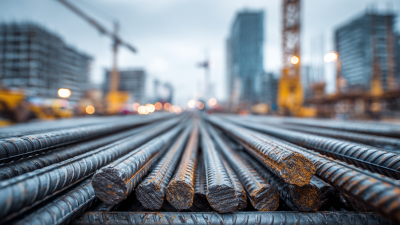
The steel supply chain is rapidly evolving. Market demand is a primary driver of this transformation. The construction and automotive sectors are key areas pushing the need for high-quality steel. Sustainability is also moving to the forefront. Companies are seeking greener methods of steel production. This trend is not just about compliance but is influenced by consumer preferences.
Tips: Consider using recycled materials in your steel projects. It not only reduces waste but can also improve brand perception.
Steel producers must adapt to shifting demands. Customization is becoming essential. As projects become more specialized, the need for tailored steel products increases. However, many companies still struggle with this shift. They are forced to re-evaluate their supply strategies. This could involve partnerships with more diverse suppliers or investing in technology.
Tips: Monitor market trends closely. Engage with clients to understand their evolving needs. A proactive approach can lead to successful adaptations.
Demand fluctuations can create challenges. Economic uncertainties can impact production rates. Companies often find themselves with excess inventory or shortages. It is vital to remain flexible and responsive. Steel suppliers are encouraged to invest in data analytics. This will help forecast trends and optimize inventory management. A thoughtful approach can mitigate risks and improve outcomes.